
 EN
Material Options Available for Custom Eyewear Projects: Key Differences and Selection Factors
Compare titanium, acetate, bio-acetate, and metal alloys for weight, durability, cost & sustainability. Get expert selection criteria now.
Selecting the right materials for custom eyewear projects is one of the most critical decisions that manufacturers and designers face when developing frames tailored to specific customer needs. The material choice directly impacts durability, comfort, aesthetics, weight, and overall performance of the finished product. Understanding the distinct characteristics of available materials enables better decision-making throughout the custom frame manufacturing process. Each material option brings unique advantages and limitations that must be evaluated against project requirements, end-user expectations, and production timelines.
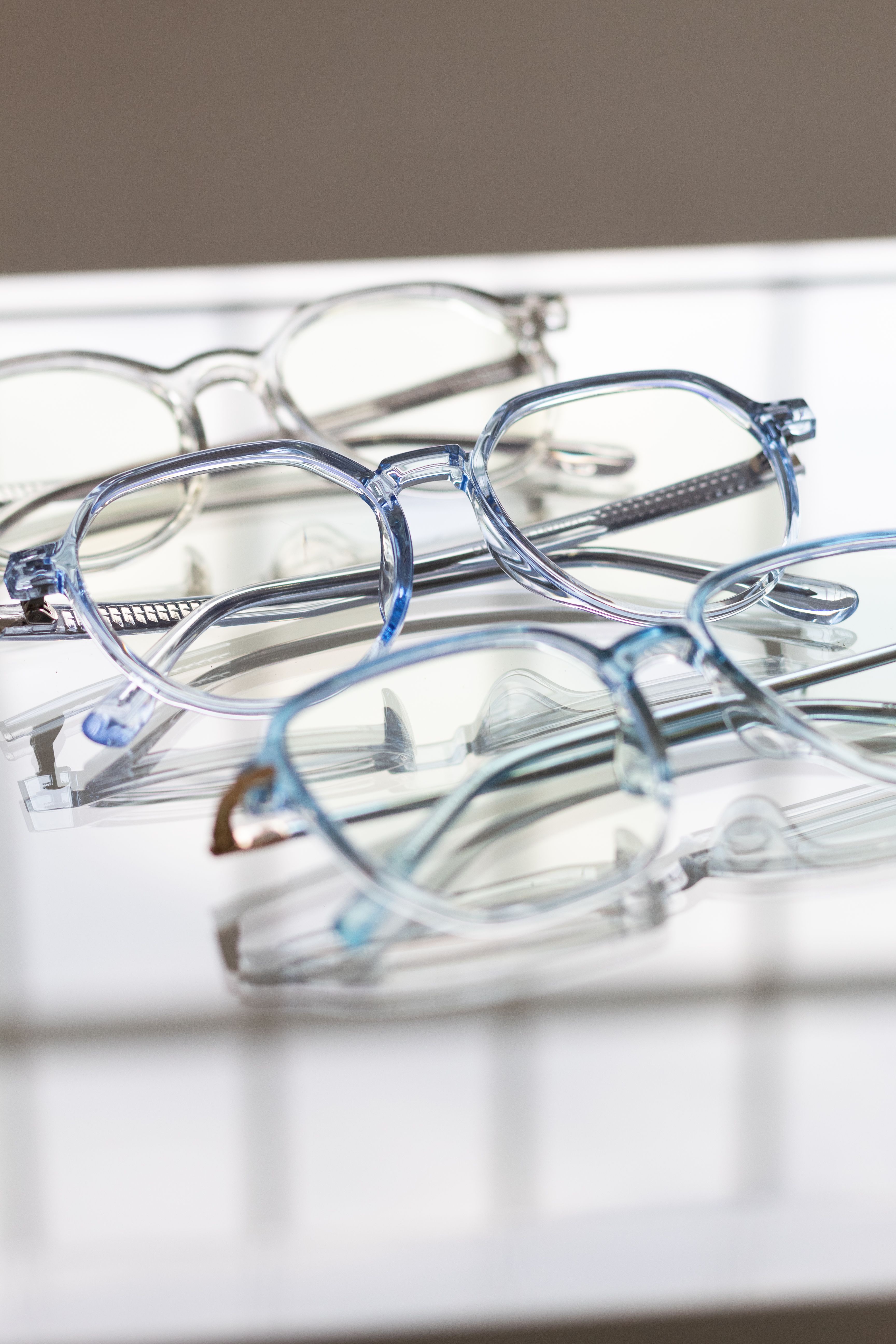
For oem eyewear manufacturers and independent designers alike, the landscape of material options has expanded significantly over the past decade. Modern bespoke glasses incorporate everything from traditional materials like acetate and metal to innovative alternatives such as titanium alloys, bio-acetate, and advanced polymers. This diversification creates both opportunity and complexity when specifying materials for custom projects. The selection process requires balancing technical performance, aesthetic goals, manufacturing capabilities, cost structures, and sustainability considerations to deliver frames that meet or exceed customer expectations.
Understanding Core Material Categories in Custom Frame Manufacturing
Metal Materials and Their Characteristics
Metal remains a cornerstone material choice for bespoke glasses and professional oem eyewear production. Stainless steel offers exceptional durability, corrosion resistance, and a refined appearance that appeals to luxury and professional markets. Titanium alloys provide superior strength-to-weight ratios, making them ideal for lightweight custom eyewear applications where comfort is paramount. Aluminum options deliver cost efficiency and reasonable durability, though they may not match the longevity of premium alternatives. The custom frame manufacturing industry frequently combines different metal types within a single frame design, using springs, hinges, and bridge sections that maximize performance in specific functional areas.
Metal frames in custom eyewear projects require precision engineering and specialized manufacturing equipment. The material's inherent properties allow for thinner, more elegant frame profiles compared to acetate or plastic options. Weight distribution in metal bespoke glasses can be optimized through careful engineering of wall thickness and strategic reinforcement at stress points. Surface finishing options for metal frames include polishing, brushing, plating, and coating treatments that contribute to the final aesthetic while providing protective benefits. These technical advantages make metal a preferred choice for professional eyewear applications where durability and sophistication matter.
Acetate and Bio-Based Alternatives
Acetate has dominated the custom eyewear market for decades and remains the most versatile material for bespoke glasses design. This material allows unlimited color possibilities, pattern integration, and surface treatments that simply cannot be achieved with metal alternatives. Acetate's natural warmth and organic feel resonate with fashion-forward consumers seeking distinctive custom frame manufacturing options. The material machines cleanly, allowing for intricate details and precise tolerances that enhance overall frame quality. Bio-acetate represents an emerging alternative for environmentally conscious custom eyewear projects, offering similar aesthetic and performance properties while reducing reliance on petroleum-based plastics.
Working with acetate in oem eyewear production requires understanding its moisture sensitivity and thermal properties. The material's dimensional stability depends on proper storage conditions and humidity management throughout the manufacturing process. Acetate bespoke glasses can be polished to exceptional clarity and smoothness, creating a premium feel that justifies higher price points. However, acetate is more prone to warping under extreme heat or prolonged sun exposure compared to metal alternatives.
Comparative Factors Influencing Material Selection
Weight, Comfort, and Wearing Experience
Weight distribution significantly affects wearer satisfaction with custom eyewear, influencing temple pressure, bridge support, and overall comfort during extended wear. Titanium and aluminum metals deliver the lightest frame weights, making them excellent choices for full-time wearers and high-prescription applications. Acetate custom frame manufacturing allows for thicker, sturdier construction while maintaining reasonable weight, though bespoke glasses in this material will typically be heavier than metal equivalents. The relationship between material density, frame design geometry, and comfort creates complex engineering challenges that differentiate quality custom eyewear production from standard manufacturing.
Balance considerations become critical in oem eyewear design when combining different materials within a single frame structure. A metal bridge paired with acetate front panels requires careful engineering to ensure even weight distribution that prevents nose bridge pressure points. The custom frame manufacturing process must address temple thickness, hinge design, and overall mass distribution to maximize comfort scores. Material selection for custom eyewear should factor in target wearer demographics, intended use cases, and expected daily wear duration to ensure long-term satisfaction.
Durability and Maintenance Requirements
Durability expectations vary dramatically across different customer segments, requiring careful material alignment with use case and lifestyle demands. Metal bespoke glasses generally outlast acetate alternatives in high-stress environments, resisting impacts and environmental degradation over extended timeframes. Acetate custom eyewear can remain cosmetically pristine for years with proper care but may require more frequent adjustments and repairs compared to metal options. The custom frame manufacturing approach should communicate realistic maintenance expectations to end users, ensuring material choice aligns with actual wearing patterns and care capabilities.
Scratch resistance presents another dimension of durability evaluation for custom eyewear projects, with metal and coated materials generally performing better than unprotected acetate. Hinges and adjustable components require material selection that resists metal fatigue and wear, particularly in oem eyewear designed for frequent adjustments. Bio-acetate and standard acetate bespoke glasses may require periodic adjustment to address dimensional creep over time. Understanding how environmental factors affect different materials enables better customer guidance and reduces warranty claims on custom frame manufacturing projects.
Production Efficiency and Technical Considerations
Manufacturing Capabilities and Tooling Requirements
Each material option in custom eyewear production demands specific manufacturing expertise, equipment investments, and process controls. Metal frame manufacturing requires precision machining, welding or riveting capabilities, and quality control systems that ensure dimensional consistency across production runs. Acetate bespoke glasses production involves CNC cutting, drilling, and polishing processes that generate specific waste streams and require different environmental controls. Custom frame manufacturing facilities must balance material versatility against equipment specialization, often requiring investment in parallel production lines to efficiently serve diverse customer needs.
The oem eyewear industry increasingly leverages advanced manufacturing techniques including 3D printing and injection molding for certain materials and frame styles. These emerging technologies expand material options for custom eyewear while potentially reducing production timelines and tooling costs for high-volume orders. Bio-acetate and other sustainable materials sometimes require modified processing parameters that existing facilities may not accommodate without investment.
Cost Structure and Margin Implications
Material cost represents a significant component of custom eyewear pricing, though it varies substantially based on material type, sourcing, and order volume. Acetate materials typically offer lower raw material costs compared to titanium or specialty metals, making bespoke glasses in acetate more accessible to cost-conscious consumers. Premium materials in custom frame manufacturing command higher prices that reflect material rarity, manufacturing complexity, and performance advantages. The oem eyewear business model often emphasizes material costs alongside production efficiency to optimize profitability while maintaining quality standards.
Volume purchasing agreements and long-term supplier relationships directly influence material availability and pricing for custom eyewear projects. Small-batch custom frame manufacturing operations may face higher per-unit material costs compared to high-volume standardized producers. Strategic material selection can improve gross margins while meeting customer expectations for quality and performance. Understanding material cost trends and supply chain dynamics enables better pricing strategies and product portfolio decisions for custom eyewear manufacturers.
FAQ
Which materials work best for lightweight custom eyewear designs?
Titanium alloys and aluminum represent the optimal choices for maximizing lightweight performance in custom eyewear applications. Titanium delivers exceptional strength-to-weight ratios, allowing for thinner, more delicate frame designs without sacrificing durability. For bespoke glasses where weight reduction is critical, such as full-time wear or high-prescription applications, metal materials consistently outperform acetate alternatives. Custom frame manufacturing teams should consider the specific gravity of available materials and frame geometry requirements to determine which option best achieves lightweight goals.
Can acetate and metal be combined in a single custom eyewear project?
Yes, blending acetate and metal components is a common approach in modern custom frame manufacturing for bespoke glasses that leverage the strengths of both materials. Metal bridges and hinges paired with acetate front panels allow designers to achieve specific aesthetic and functional goals while optimizing weight and durability. This combination approach requires careful engineering to ensure proper stress distribution and dimensional compatibility between different materials.
How should environmental factors influence material selection for custom eyewear?
Environmental conditions in target markets significantly impact which materials will perform optimally for custom eyewear applications. High humidity or saltwater environments favor metal materials like titanium or stainless steel that resist corrosion better than acetate. Extreme heat conditions may cause acetate bespoke glasses to warp, making metal options preferable for tropical or high-temperature climates. Custom frame manufacturing decisions should account for intended geographic markets, storage conditions, and expected environmental exposure to ensure material choices deliver satisfactory long-term performance and customer satisfaction.



