
 EN
Laser Engraving vs Metal Plaque Logos on Custom Eyewear Temples: Key Differences for Buyers
Choosing between laser engraving and metal plaque logos impacts durability, cost & brand perception. Discover which method suits your volume, budget & premium positioning.
When designing custom eyewear, the logo placement and application method can significantly impact both aesthetics and durability. Two dominant techniques dominate the market: laser engraving and metal plaque logos. Each approach delivers distinct visual results, longevity profiles, and cost structures that buyers must evaluate carefully. Understanding these differences ensures your bespoke glasses reflect your brand identity while meeting practical performance requirements over time.
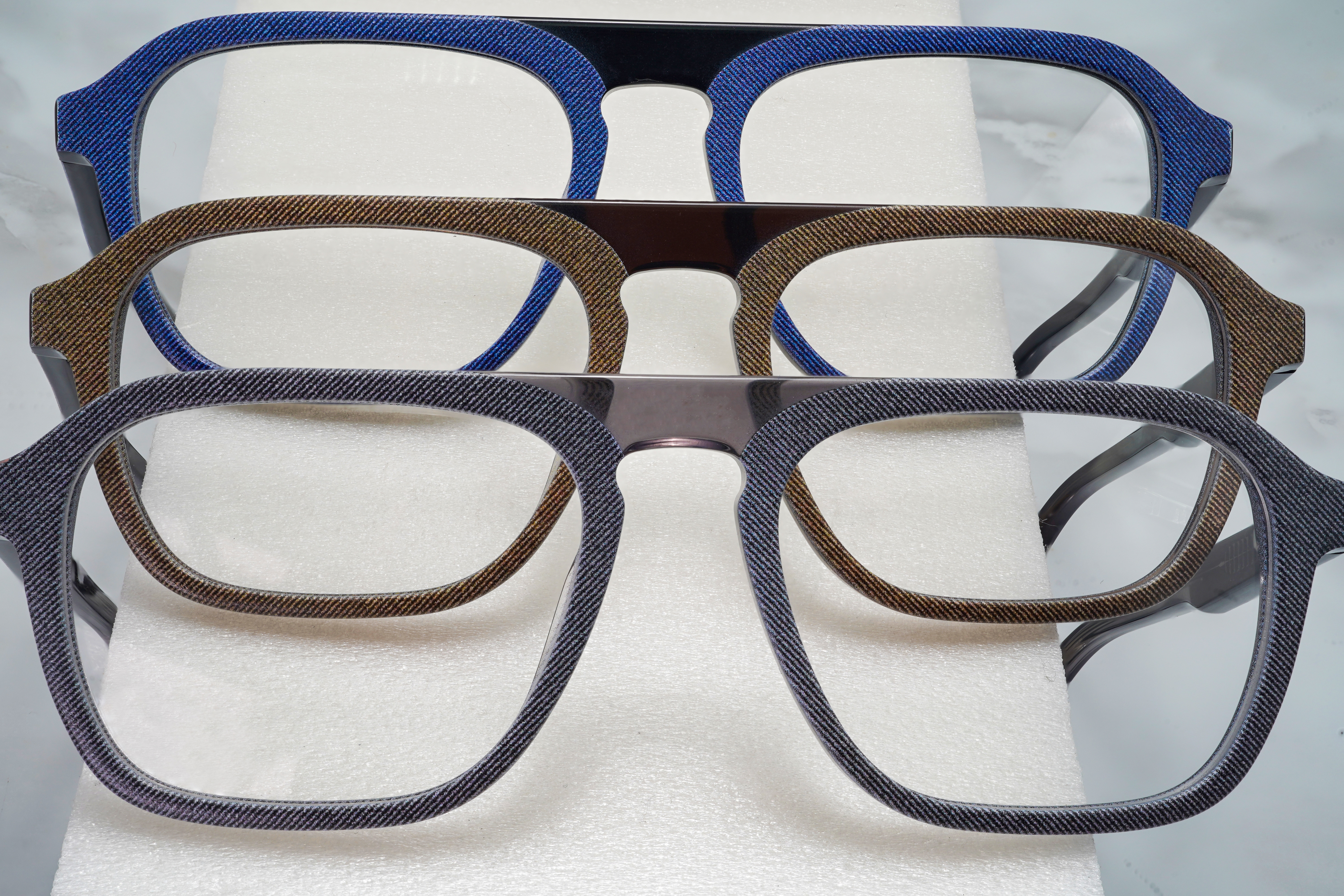
The choice between laser engraving and metal plaques affects not only the initial appearance of your custom frame manufacturing project but also the long-term durability and perceived value of the final product. Buyers selecting oem eyewear options need clarity on which method suits their production volumes, budget constraints, and quality expectations. This guide explores the technical, aesthetic, and financial dimensions of both approaches to support informed decision-making.
Laser Engraving on Custom Eyewear Temples
Technical Process and Precision
Laser engraving uses focused light energy to permanently mark material surfaces, creating precise, detailed logos directly onto eyewear temple materials such as acetate, titanium, or metal alloys. The laser beam vaporizes or melts a thin layer of the substrate, leaving a permanent mark without adding physical material. This method allows for fine detail, intricate line work, and photographic-quality reproduction that would be difficult to achieve through other marking techniques. Custom frame manufacturing operations appreciate the speed and consistency of laser engraving, as the process can complete dozens of frames per hour once setup is finalized.
Aesthetic Qualities and Brand Presentation
Laser-engraved logos create a subtle, integrated appearance that many brands associate with premium quality and attention to detail. The mark sits flush with the frame surface, avoiding any dimensional protrusion that could catch or snag during wear. For bespoke glasses targeting minimalist aesthetics or modern design preferences, laser engraving delivers clean results. However, the visual impact depends heavily on material contrast and lighting conditions. Light-colored frames show dark engraved marks clearly, while darker frames may require careful logo positioning to ensure visibility. Some oem eyewear manufacturers opt for reverse engraving or inlay techniques to enhance contrast and visual presence.
Metal Plaque Logo Attachment Methods
Construction and Material Options
Metal plaques involve physical logo pieces—typically crafted from stainless steel, titanium, or precious metals like gold-plated brass—that attach to eyewear temples through adhesives, rivets, or embedded fasteners. Each plaque is manufactured separately through stamping, etching, or casting processes, then positioned precisely on the custom eyewear frame during assembly. This approach allows for dimensional branding that catches light and creates tactile, three-dimensional visual interest. Oem eyewear manufacturers choosing this route gain the ability to offer embossed details, varying surface finishes, or combinations of brushed and polished elements within a single logo.
Durability and Longevity Considerations
Metal plaques attached through proper adhesive bonding or mechanical fastening typically withstand extensive wear, moisture exposure, and repeated cleaning cycles. The plaque material itself—especially stainless steel or titanium—resists corrosion and oxidation better than engraved surfaces on some substrates. However, durability depends critically on the attachment method. Adhesive-bonded plaques risk separation if customers use harsh solvents or expose custom frame manufacturing products to extreme temperature fluctuations. Riveted or screw-fastened plaques prove more robust but introduce permanent holes in the frame structure, which some designers view as compromising temple aesthetics. Bespoke glasses creators must balance prestige perception against practical maintenance concerns when specifying plaque attachment methods.
Cost Structure and Production Efficiency
Initial Tooling and Setup Expenses
Laser engraving systems require significant capital investment, typically ranging from thirty thousand to over one hundred thousand dollars depending on power output, automation features, and software capabilities. However, once installed, per-unit engraving costs remain remarkably low because no consumables, dies, or replacement tooling are needed for design changes. Custom eyewear manufacturers can modify logos, adjust sizing, or incorporate text variations instantly without retooling. Metal plaque production demands separate investments: stamping dies, casting molds, or etching equipment must be created specifically for each unique logo design. These tooling costs range from five hundred to five thousand dollars or higher depending on plaque complexity and the manufacturing method selected.
Volume Dynamics and Unit Cost Economics
For small-batch custom frame manufacturing runs or bespoke glasses projects requiring frequent logo variations, laser engraving typically yields lower total costs because fixed tooling expenses are eliminated. A custom eyewear line producing five hundred frames with different customer logos finds laser engraving far more economical than commissioning separate plaque dies. Conversely, oem eyewear suppliers running production batches of ten thousand identical frames benefit from metal plaque unit cost advantages. The per-unit plaque expense drops to mere cents once tooling investments are amortized across high-volume orders, undercutting laser engraving operational expenses at that scale. Buyers must calculate their anticipated production volumes and logo variation frequency before selecting the more economical approach for their circumstances.
Visual Impact and Market Positioning
Premium Perception and Branding Strategy
Metal plaques project dimensional luxury and craftsmanship appeal that resonates strongly in premium eyewear markets. The tactile, three-dimensional quality signals investment in quality and distinguishes bespoke glasses from mass-produced alternatives. Consumers perceive plaque logos as markers of exclusivity and artisanal attention to detail. Laser engraving, while cleaner and more contemporary in appearance, can feel less distinctive or luxury-oriented in certain market segments, though technology-forward brands often embrace this aesthetic. Custom eyewear marketing strategies should align logo application methods with target audience expectations. Fashion-forward millennials might appreciate minimalist laser-engraved designs, while traditional luxury buyers might prefer dimensional metal plaques as status markers on their custom frame manufacturing purchases.
Visibility and Design Considerations
Metal plaques catch light, shimmer, and remain highly visible regardless of frame material or color. This visual prominence suits brands seeking maximum logo recognition and identity communication. Laser engraving demands more careful placement and contrast consideration. Dark or transparent frame materials may render laser-engraved logos nearly invisible, requiring strategic positioning or contrast-enhancing techniques. Oem eyewear lines with extensive color options must conduct visibility testing across their material palette to ensure consistent brand presentation. Custom frame manufacturing operations balancing minimalism with identity visibility often conclude that laser engraving works best on lighter substrates, while metal plaques provide reliable presence across the entire frame color spectrum.
FAQ
Which logo application method offers superior scratch resistance on custom eyewear?
Laser-engraved logos sit flush with the frame surface, making them inherently resistant to scratching because nothing protrudes to catch or impact. Metal plaques, especially those with dimensional relief or raised surfaces, can catch straps, fingernails, or protective cases during storage and cleaning. Stainless steel plaques resist surface marking better than adhesive-bonded options, but the plaque edges present potential snagging points. For custom eyewear intended for active lifestyles, laser engraving generally proves more scratch-resistant, while bespoke glasses designed for formal or stationary use tolerate plaque-related wear more gracefully.
Can laser engraving and metal plaques be combined on the same custom eyewear frame?
Yes, many oem eyewear manufacturers and custom frame manufacturing operations use hybrid approaches. A brand might laser-engrave a subtle logo on one temple while attaching a dimensional metal plaque on the other, balancing minimalist and luxury aesthetics. Some bespoke glasses designs feature laser-engraved text or secondary branding alongside a primary metal plaque, creating visual hierarchy and design interest. Hybrid approaches increase production complexity and cost but allow creative brands to communicate multiple design intentions within a single product. The key consideration is ensuring both elements coordinate visually and that plaque attachment doesn't compromise frame structural integrity.
How do environmental conditions affect laser engraving versus metal plaque durability on custom eyewear?
Laser-engraved logos remain stable across temperature fluctuations and moisture exposure because the marking is molecular rather than adhesive-dependent. However, UV exposure can fade engraved marks on certain materials or color substrates over extended periods. Metal plaques resist UV fading exceptionally well but require corrosion resistance in their alloy composition, especially for stainless steel or titanium plaque applications. Adhesive-bonded metal plaques may fail in extreme humidity or after repeated thermal cycling. Custom eyewear exposed to chlorinated water environments or high-altitude UV intensity requires careful material selection. Oem eyewear suppliers should specify plaque attachment methods and substrate materials that match customer use environments to ensure long-term logo retention and appearance consistency.



