
 EN
How Private Label Eyewear Programs Move From Brief to Shelf: A Technical Guide for Eyewear Buyers
This technical guide reveals the ODM workflow, tooling validation, and QA frameworks that cut time-to-shelf by 30%.
Bringing a vision to retail requires precision, planning, and partnership. Private Label Eyewear represents a strategic pathway for brands seeking to enter the eyewear market without manufacturing infrastructure. Unlike off-the-shelf products, private label programs are customized solutions built on your brand identity, specifications, and market timeline. This technical guide walks eyewear buyers through each phase of the journey, from initial brief development through final shelf placement.
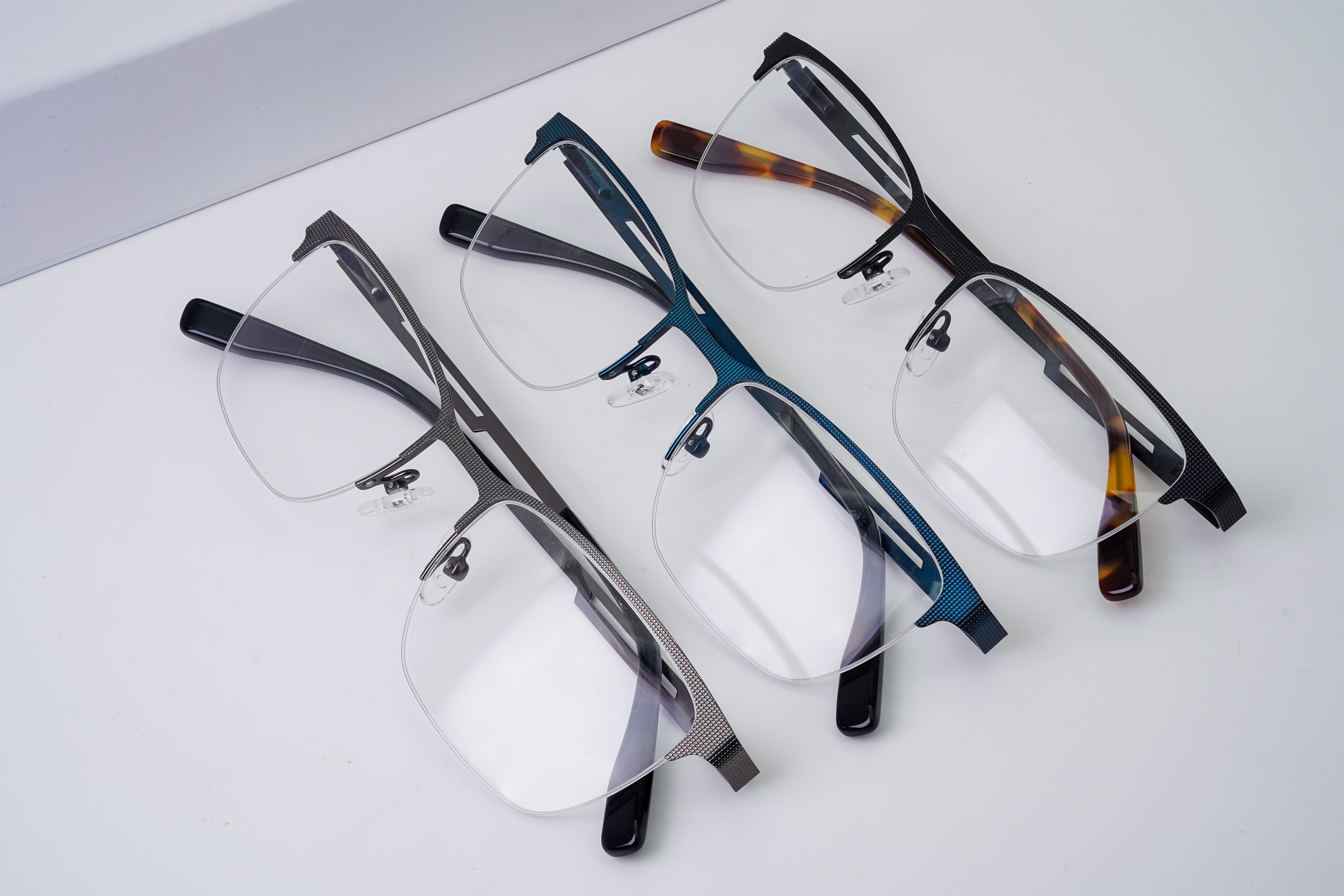
The private label eyewear market has matured significantly over the past decade. Buyers now expect faster turnarounds, higher quality standards, and deeper customization than ever before. Whether you are developing white label glasses for a retail partner, launching an independent brand, or expanding an existing eyewear line, understanding the technical workflow separates successful launches from costly delays. This guide covers design validation, material selection, production oversight, and distribution logistics.
Understanding the Private Label Eyewear Model
Core Components of Brand Eyewear Manufacturing
Brand eyewear manufacturing through a private label partner differs fundamentally from purchasing stock inventory. Your manufacturing partner becomes an extension of your product development team. They bring technical expertise in acetate injection molding, metal fabrication, lens integration, and assembly protocols. White label glasses are built to your exact specifications, which means every frame dimension, color, material hardness, and hinge mechanism must be documented and validated before production begins.
The ODM model—original design manufacturer—gives your brand significant control while leveraging the partner's existing tooling and production capacity. An eyewear ODM typically maintains libraries of proven frame shapes, temple lengths, bridge widths, and fit parameters. Rather than designing from zero, you select and customize existing molds to accelerate time-to-market. This approach reduces capital investment and production risk while maintaining brand differentiation through color palettes, logo placement, and packaging design.
Why Private Label Eyewear Matters for Retail Success
Retailers demand exclusivity and margin protection. A white label glasses program ensures that your specific frame designs exist only under your brand umbrella. This exclusivity strengthens your negotiating position with retail partners and protects your investment in marketing and brand awareness. Additionally, private label eyewear allows you to control pricing architecture, promotional calendars, and inventory depth without competing directly against manufacturer-promoted mass-market alternatives.
The Technical Brief and Design Validation Phase
Developing a Comprehensive Product Brief
Every successful private label eyewear program begins with a detailed technical brief. This document becomes the contract between your brand and the manufacturer. Include target market demographics, intended retail price point, required certifications, and aesthetic direction. Specify frame geometry precisely: lens shape, frame width, bridge measurement, temple length, and adjustment ranges. Document material preferences, whether acetate, metal, or hybrid construction. High-quality briefs eliminate costly revisions during tooling and accelerate design approval timelines.
Material selection directly impacts production cost and shelf appeal. Acetate injection-molded frames offer rich colors, pattern variety, and moderate pricing. Metal frames provide lightweight performance and premium positioning. Your manufacturing partner's eyewear ODM capabilities determine which materials are economically viable at your target volume. Discuss optical requirements upfront: will frames accommodate single-vision, progressive, or specialty lenses? Will they require anti-reflective coatings or photochromic technology? These decisions influence hinge design, nose pad integration, and weight distribution.
Design Samples and Tooling Approvals
Before committing to full production tooling, request 3D renderings and hand-carved samples in your chosen material. These samples validate proportions, color accuracy, and tactile feel before investing in expensive injection molds or metal stamping dies. Brand eyewear manufacturing partners typically charge moderate fees for sample development, but this investment prevents far costlier corrections during production ramp. Once samples are approved, tooling costs become your responsibility, so validation thoroughness directly impacts your project's financial outcome.
Production Planning and Quality Control Framework
Managing Production Timelines and Capacity
White label glasses production timelines vary by complexity and volume. Simple acetate frame designs typically require 60–90 days from approved tooling to first production run. Metal and hybrid frames extend timelines to 90–120 days due to die fabrication and assembly complexity. Your ODM partner's capacity matters significantly; busy seasons may extend schedules. Factor in time for lens fabrication, quality audits, and packaging customization. Planning launch windows six months in advance prevents supply-chain conflicts and ensures consistent stock availability for retail partners.
Volume commitments drive unit costs downward but increase inventory risk. Understand your partner's minimum order quantities per color and specification variation. Negotiate volume tiers transparently so that initial orders produce acceptable per-unit economics without overcommitting capital. Private label eyewear partners often require 50–70% payment upfront to cover tooling and material purchases, with final payment due on shipment inspection.
Quality Assurance and Compliance Standards
Eyewear products must meet optical and safety standards in every target market. ANSI Z87.1 in the United States, CE marking in Europe, and equivalent standards in other regions require documented compliance. Your manufacturing partner should maintain ISO 9001 certification and conduct impact resistance testing, lens retention testing, and dimensional verification on production samples. Request third-party test reports before shipment to confirm regulatory readiness. Non-compliance discovered at retail causes returns, brand damage, and costly remediation.
Cosmetic defects also determine retailer acceptance. Define acceptable tolerances for color variation, surface scratches, hinge stiffness, and temple symmetry in writing. Request statistical process control data showing defect rates and trending. Many eyewear ODM partners perform 100% dimensional verification on high-value orders but use sampling protocols for larger commodity runs.
Distribution, Launch, and Market Positioning
Logistics and Retail Fulfillment Coordination
Once production is complete and quality-approved, coordinating shipment and retail placement requires precision. Determine whether products will be shipped directly to retail distribution centers or staged at a central warehouse for kitting with marketing materials. Private label eyewear often requires customized packaging, hang tags, and point-of-sale collateral. Your ODM partner may offer packaging services, but many brands manage this separately to maintain brand consistency. Coordinate timelines so that retail marketing launches, inventory arrival, and promotional campaigns align within a two-week window for maximum impact.
Establish inventory visibility protocols with retail partners. Most large retailers use automated ordering systems that trigger replenishment when stock drops below threshold levels. Your private label eyewear demand will fluctuate seasonally; spring and fall typically see higher optical frame demand, while summer favors polarized and photochromic products. Plan initial orders conservatively if this is your first retail partnership with a partner, then scale up based on sell-through velocity and return rates.
Protecting Brand Positioning and Market Exclusivity
White label glasses give you design exclusivity, but only if your partnership agreement protects it. Ensure that your manufacturing partner cannot sell similar frame designs to competitors during your initial market window. Negotiate minimum exclusivity periods of 12–24 months depending on your brand's retail leverage and annual volume commitments. Document trademark and design rights clearly to prevent future disputes over intellectual property ownership.
Monitor retail pricing and promotional activity closely. Some retailers will discount private label eyewear aggressively to drive traffic, which can erode brand perception and channel conflict with other retailers. Establish minimum advertised pricing agreements with key retail partners and include brand protection clauses in your distribution contracts.
FAQ
What is the typical lead time for a private label eyewear order from design approval to delivery?
Lead times depend on complexity and tooling status. If your ODM partner already maintains the frame mold you've selected, production can begin 2–3 weeks after material and lens procurement approvals, delivering finished goods within 45–60 days. If new tooling is required for unique shape or fit specifications, allow 90–120 days total. Factor in 2–4 weeks for sample approval before tooling investment begins. Budget six months for your first complete white label glasses cycle, including brief development, sample iteration, tooling, and production.
How do I ensure quality consistency across multiple production runs of white label glasses?
Quality consistency depends on detailed specifications and regular audits. Provide your eyewear ODM partner with comprehensive written specifications including dimensional drawings, material standards, cosmetic acceptance criteria, and optical performance targets. Request that they maintain master sample reference frames archived in controlled storage. Conduct in-process audits during high-volume production runs, examining random sample lots for dimensional accuracy, surface finish, hinge functionality, and color matching. Many private label eyewear programs benefit from a dedicated quality liaison at the manufacturing partner who reports directly to your brand team.
What intellectual property protections should I include in a private label eyewear partnership agreement?
Your partnership agreement must clearly assign ownership of design files, tooling molds, and any patent improvements developed during the program. Specify that your brand retains exclusive rights to the design for a defined period—typically 18–36 months depending on your investment and annual volume. Restrict the ODM partner from selling identical or substantially similar designs to direct competitors within your category. Include confidentiality clauses covering your sales forecasts, retail partnerships, and market strategies. These protections preserve your investment in brand eyewear manufacturing and give you competitive breathing room in the market.



