
 EN
Small Batch vs Large Batch Custom Eyewear Production Planning: Key Differences for Buyers
Compare costs, lead times, flexibility & scalability—make the right procurement decision.
Understanding the distinctions between small batch and large batch production is essential for buyers evaluating custom eyewear options. Small batch and large batch custom eyewear production models differ significantly in their approach to manufacturing, cost structure, timeline, and quality control. These differences directly affect pricing, lead times, customization flexibility, and the overall value proposition for your eyewear procurement strategy. Choosing the right production method depends on your business requirements, inventory capacity, and long-term growth plans.
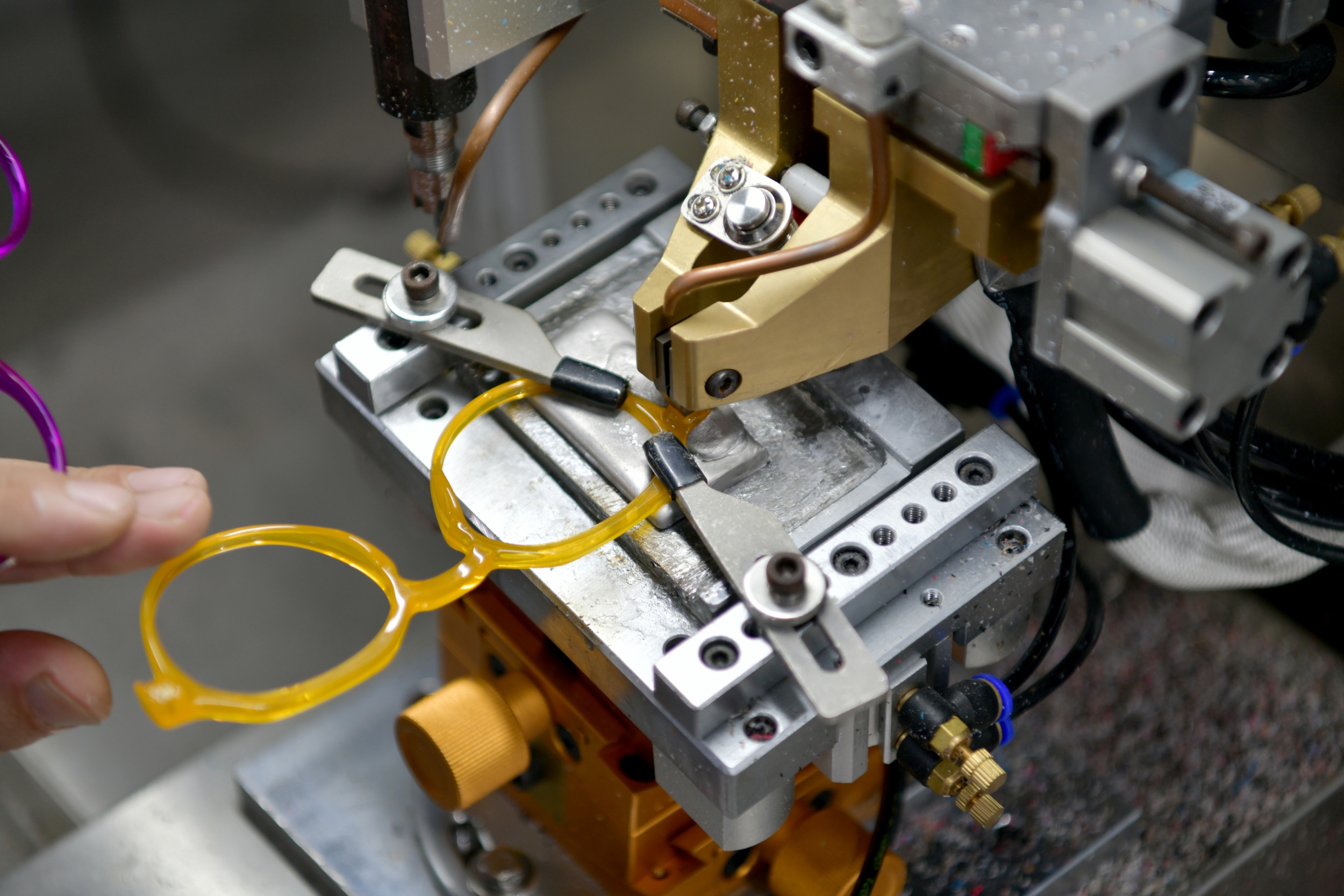
When planning eyewear procurement, buyers must weigh the operational and financial implications of each production model. Small batch production typically involves manufacturing between 50 and 500 units per order, while large batch production usually begins at 1,000 units or more. The decision between these approaches influences inventory management, cash flow, supplier relationships, and market responsiveness. Understanding these factors enables you to align production volumes with demand forecasts and business capacity.
Small Batch Custom Eyewear Production Advantages and Considerations
Flexibility and Customization in Small Batch Runs
Small batch custom eyewear production enables significant design flexibility and rapid iteration. Manufacturers can accommodate design changes, color variations, and frame adjustments more easily in smaller production runs. This flexibility proves invaluable when testing new market segments, launching limited-edition collections, or responding to emerging style trends. Bespoke glasses ordered in small quantities allow buyers to validate product concepts before committing to larger inventory investments.
Cost and Timeline Implications
Small batch custom frame manufacturing typically involves higher per-unit costs due to reduced economies of scale. Setup costs, tooling adjustments, and labor are distributed across fewer units, resulting in increased unit pricing. However, lead times for small batch orders are generally shorter, ranging from 4 to 8 weeks depending on customization complexity. The lower upfront capital requirement makes small batch production accessible for startups, boutique retailers, and businesses with limited working capital. This approach minimizes inventory risk and reduces the financial burden of excess stock.
Large Batch Custom Eyewear Production Benefits and Trade-Offs
Economies of Scale in Large Batch Manufacturing
Large batch oem eyewear production delivers significant cost advantages through economies of scale. When manufacturing 1,000 units or more, per-unit costs decrease substantially as fixed costs are distributed across a larger volume. Custom frame manufacturing at this scale allows manufacturers to optimize production workflows, negotiate better material prices, and allocate resources more efficiently. These cost reductions translate directly to improved profit margins or competitive pricing for end consumers. Large batch orders are ideal for established brands with predictable demand and sufficient inventory capacity.
Supply Chain Efficiency and Market Reach
Oem eyewear produced in large batches enables broader market distribution and faster inventory turnover. Manufacturers can optimize production scheduling, reduce per-unit shipping costs, and streamline quality control processes across higher volumes. Large batch custom eyewear provides consistent product availability and supports retail expansion into new markets. The longer lead time, typically 8 to 12 weeks, requires accurate demand forecasting and inventory planning but supports sustainable business growth. Buyers with established distribution channels and reliable sales data benefit most from large batch production economics.
Strategic Decision Factors for Production Planning
Market Demand and Inventory Management
Selecting between small and large batch bespoke glasses production hinges on demand predictability and inventory capacity. High-fashion brands with volatile trends may prefer small batch flexibility over large batch commitment. Conversely, established eyewear retailers with stable customer bases and predictable sales can justify large batch production for cost efficiency. Inventory turnover rates, storage capacity, and cash flow cycles directly influence this decision. Buyers must align production volumes with historical sales data, market forecasts, and seasonal demand patterns to optimize working capital.
Supplier Capability and Quality Standards
Evaluating your manufacturer's capacity, quality systems, and customization capabilities is critical for both small and large batch custom eyewear orders. Small batch suppliers must demonstrate flexibility and precision without compromising quality. Large batch manufacturers require robust quality control systems, consistent production processes, and supply chain resilience to manage higher volumes reliably. Assess supplier certifications, material sourcing, defect rates, and customer references to ensure alignment with your quality standards. Strong supplier partnerships enable smoother production transitions as your business scales between batch sizes.
FAQ
What is the typical cost difference between small batch and large batch custom eyewear production?
Small batch custom frame manufacturing typically costs 20-40% more per unit than large batch production due to fixed costs distribution. Setup costs, tooling, and labor represent a higher proportion of unit cost in small batches. Large batch oem eyewear achieves significant per-unit savings through material volume discounts and optimized production workflows. The exact difference depends on frame complexity, material selection, and specific customization requirements. Buyers should request detailed cost breakdowns at different volume thresholds to make informed purchasing decisions.
How do lead times differ between small batch and large batch bespoke glasses production?
Small batch bespoke glasses typically require 4 to 8 weeks from order placement to delivery, while large batch orders range from 8 to 12 weeks. Small batches prioritize speed over volume efficiency, allowing faster production scheduling and quality inspections. Large batch production requires extended lead time to accommodate bulk manufacturing, material sourcing, and comprehensive quality control processes. Lead time variability increases with customization complexity, seasonal demand peaks, and supplier scheduling constraints. Clear communication with manufacturers about deadline requirements ensures realistic planning and prevents supply chain disruptions.
When should a buyer choose small batch versus large batch custom eyewear production?
Choose small batch custom eyewear for new product launches, seasonal collections, and uncertain demand scenarios where minimizing inventory risk is critical. Small batch production suits boutique retailers, fashion brands testing new markets, and businesses with limited storage capacity. Select large batch custom frame manufacturing when you have stable demand forecasts, established distribution channels, and sufficient working capital and inventory space. Large batch oem eyewear is ideal for high-volume retailers, established brands, and buyers prioritizing cost efficiency over flexibility. Evaluate your growth stage, financial capacity, and market position to determine the optimal production strategy.



