
 EN
Lens Color Mismatch in Custom Sunglasses Collections: Causes and Corrective Actions
iscover root causes—from raw material drift to coating errors—and proven corrective actions. Ensure brand integrity now.
Lens color mismatch represents one of the most visible quality defects in custom sunglasses collections, affecting brand reputation and customer satisfaction. When pairs intended for the same order arrive with inconsistent lens tints, hues, or saturation levels, the entire promotional or retail batch becomes compromised. This issue emerges across branded sunglasses, OEM sunglasses, and promotional sunglasses lines, making it a critical concern for manufacturers and distributors alike. Understanding the root causes and implementing corrective actions ensures that your custom sunglasses maintain visual and functional consistency throughout production runs.
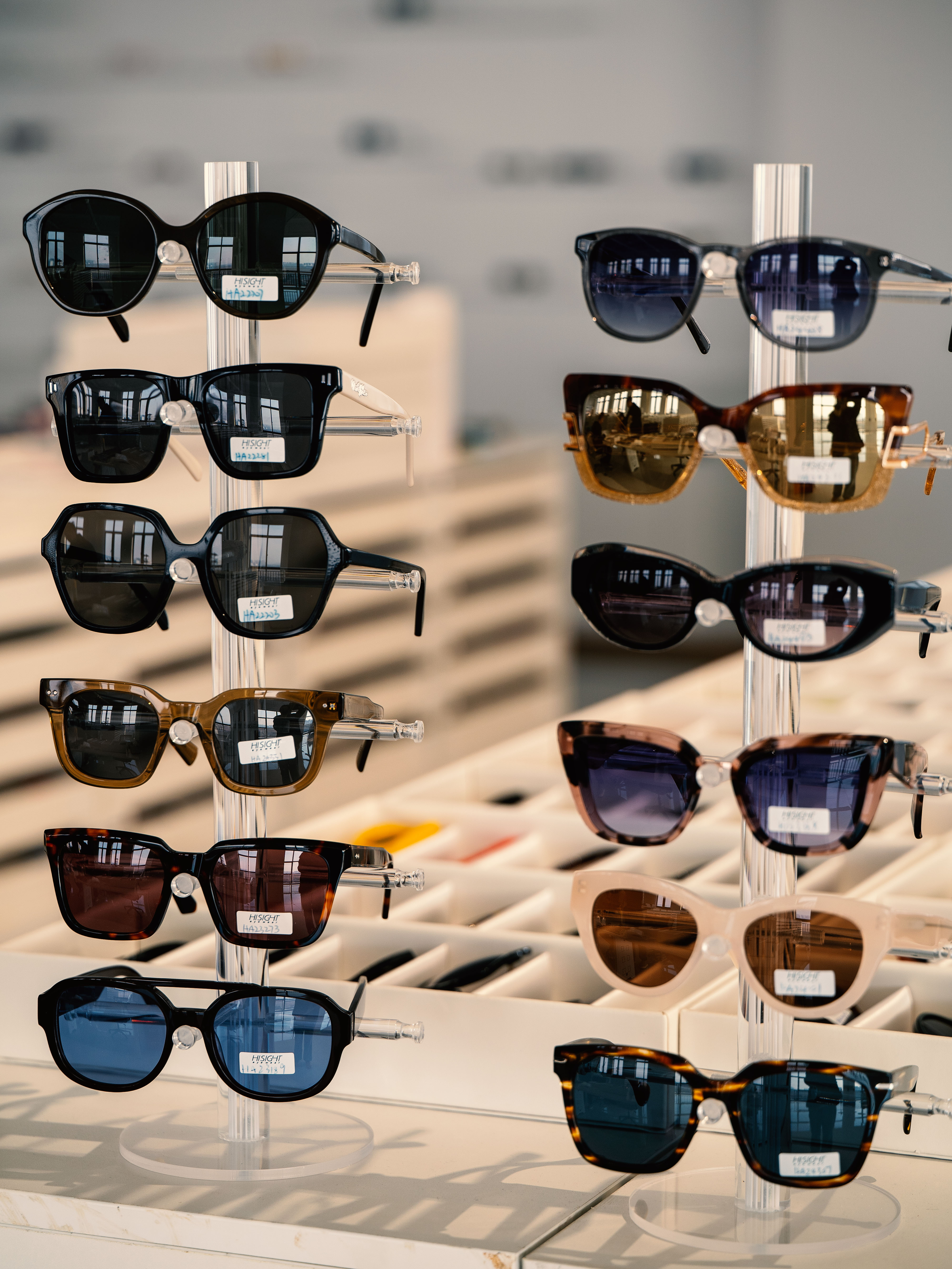
Lens color inconsistency in OEM sunglasses and promotional sunglasses stems from multiple production, material, and environmental variables. Each stage of manufacturing—from lens material selection to coating application to final assembly—introduces opportunities for tint deviation. When these variables compound across batches or within a single production run, the resulting mismatch becomes noticeable to end users and damages the perceived quality of branded sunglasses. Addressing this challenge requires systematic investigation, precise control measures, and ongoing quality verification protocols.
Root Causes of Lens Color Mismatch in Custom Sunglasses
Raw Material Variability and Batch Inconsistency
Lens color mismatch in custom sunglasses often originates at the material sourcing stage. Different batches of polycarbonate, CR-39, or glass lens blanks may have subtle variations in base tint, even from the same supplier. When manufacturers blend materials from multiple supplier batches or use inventory from different production periods, the foundational lens tint diverges before any coating is applied. For branded sunglasses and OEM sunglasses, this variability becomes magnified when large orders require multiple shipments of raw materials across weeks or months.
Resin formulation changes, aging of pre-colored materials, and storage conditions all contribute to baseline lens color drift. Promotional sunglasses produced for the same client campaign may use lens blanks sourced at different times, introducing invisible but measurable tint differences that only become apparent when pairs are assembled and compared side by side.
Coating Application Inconsistencies
Advanced coating processes that add color, polarization, or UV protection to custom sunglasses rely on precise chemical concentrations, spray patterns, and curing times. Variations in spray equipment calibration, humidity levels during application, or temperature fluctuations during the coating cure phase create lens color deviations. For OEM sunglasses and promotional sunglasses, large production batches often split between multiple coating stations or runs, and each station may introduce slight variations in final lens hue.
When coating thickness varies across individual lenses within a pair, the color intensity differs noticeably. This is particularly problematic in mirrored or gradient-tint custom sunglasses where visual uniformity directly impacts brand perception. Quality control at this stage is essential to prevent systematically mismatched lenses from reaching the assembly line.
Environmental and Process Control Factors
Temperature and Humidity Effects During Production
Manufacturing environments for branded sunglasses and OEM sunglasses are highly sensitive to atmospheric conditions. Lens materials cure and set differently across varied temperature ranges, and humidity levels during coating application influence how dyes and pigments bond to the lens surface. A production run for custom sunglasses initiated in winter may yield slightly different lens colors than one completed in summer, even if all other parameters remain constant.
Inadequate environmental controls in coating facilities create systematic drift in lens color mismatch across multiple pairs. Some promotional sunglasses manufacturers operate in facilities without climate stabilization, leading to predictable seasonal color variations that customers immediately detect when comparing multiple units from the same order.
Equipment Calibration and Maintenance Drift
Spray coating equipment, polarizing film applicators, and tint application machinery require regular calibration to maintain consistent output. Over time, nozzles wear, spray patterns widen, and chemical mixing ratios drift if maintenance schedules are deferred. For large custom sunglasses orders, production may span multiple days or weeks on the same equipment, and undetected calibration drift introduces color variation across the batch. OEM sunglasses manufacturers often operate high-volume production lines where equipment servicing is scheduled around demand, potentially allowing drift to persist across multiple production cycles.
Branded sunglasses labels demand precision, making equipment maintenance a non-negotiable control point. Promotional sunglasses vendors who defer regular calibration checks introduce preventable lens color mismatch that directly damages client relationships.
Corrective Actions and Quality Assurance Solutions
Implementing Spectrophotometry and Color Standards
The most effective solution for preventing lens color mismatch in custom sunglasses is implementing spectrophotometry testing at multiple stages of production. A spectrophotometer measures precise color values (using CIE LAB or RGB standards) for every lens, enabling objective comparison rather than subjective visual assessment. For OEM sunglasses and branded sunglasses, establishing color tolerance windows ensures that finished lenses fall within acceptable deviation ranges. Promotional sunglasses manufacturers can apply this approach by testing lens samples from every coating batch before assembly begins.
Create detailed color specification documents for each custom sunglasses design, including target values and acceptable tolerance bands. Train quality personnel to recognize when measurements fall outside specifications and implement immediate corrective measures, such as halting production and re-adjusting coating equipment.
Supplier Material Qualification and Batch Tracking
Establish formal supplier agreements that specify color consistency requirements for lens blanks supplied for custom sunglasses. Request certificates of conformance indicating baseline tint measurements from each supplier batch. For large OEM sunglasses and promotional sunglasses orders, implement batch tracking systems that record the lens blank supplier, production date, and measured baseline color for traceability. When lens color mismatch is detected in a finished product batch, this data enables rapid isolation of whether the issue originated from material variation or in-house processing.
For branded sunglasses, consider dual-sourcing lens blanks from pre-qualified suppliers and standardizing purchase specifications to minimize baseline variation. Periodic audits of supplier facilities and testing protocols strengthen consistency across all custom sunglasses components.
Equipment Maintenance Scheduling and Documentation
Develop preventive maintenance calendars for all coating and application equipment used in custom sunglasses production. Schedule calibration checks before each production run and document all adjustments, replacing worn nozzles, and cleaning internal coating lines. For OEM sunglasses and promotional sunglasses facilities operating continuous production lines, implement daily calibration verification using standard reference samples with known color values. Production personnel should compare output against these standards and halt the line if deviation exceeds tolerance thresholds.
Maintain detailed maintenance logs that correlate equipment service history with batch color measurements. This record-keeping enables operators to identify patterns linking equipment drift to lens color mismatch and intervene proactively before large batches are affected.
FAQ
What causes lens color mismatch in custom sunglasses batches?
Lens color mismatch in custom sunglasses typically results from raw material batch variation, inconsistent coating application, temperature and humidity fluctuations, and equipment calibration drift. When lens blanks from different supplier batches are combined, or when coating equipment is not properly maintained, individual lenses receive different tints even within the same order. For OEM sunglasses and promotional sunglasses, these variables compound across large production runs, making color consistency a major quality challenge.
How can manufacturers detect lens color mismatch in branded sunglasses?
Implementing spectrophotometry testing is the most reliable detection method for lens color mismatch in branded sunglasses. A spectrophotometer provides objective, numerical color measurements that identify deviations invisible to the human eye. Quality personnel should test lenses at multiple production stages—after coating application, before assembly, and on finished custom sunglasses samples from each batch. Establishing color tolerance specifications and comparing measurements against these standards enables rapid identification of out-of-spec lenses before they reach customers.
What preventive measures reduce lens color mismatch in promotional sunglasses?
Reducing lens color mismatch in promotional sunglasses requires a multi-faceted approach: qualify suppliers and track lens blank batches, implement regular equipment calibration and maintenance, control environmental conditions in production facilities, and establish color standards with clear tolerance ranges. For OEM sunglasses and custom sunglasses manufacturers, documenting baseline color values, performing in-process testing, and maintaining detailed production records enable traceability and early intervention. Training production teams to recognize color inconsistencies and empowering them to halt production when specifications are violated prevents defective lenses from advancing through assembly.



