
 EN
Compostable vs Recyclable Packaging for Sustainable Eyewear Orders: Key Differences for Buyers
Confused about sustainable eyewear packaging? Compare compostable vs recyclable options—cost, infrastructure, durability & eco-impact. Choose wisely for your brand.
Choosing the right packaging for eyewear orders involves more than aesthetics. When selecting sustainable eyewear, understanding packaging options becomes essential for environmentally conscious businesses and consumers alike. The distinction between compostable and recyclable packaging fundamentally shapes how your eco friendly glasses impact the environment after purchase. Both approaches reduce waste, yet they operate through different mechanisms and timelines. Making an informed decision requires examining the practical, environmental, and logistical differences between these two popular sustainability choices.
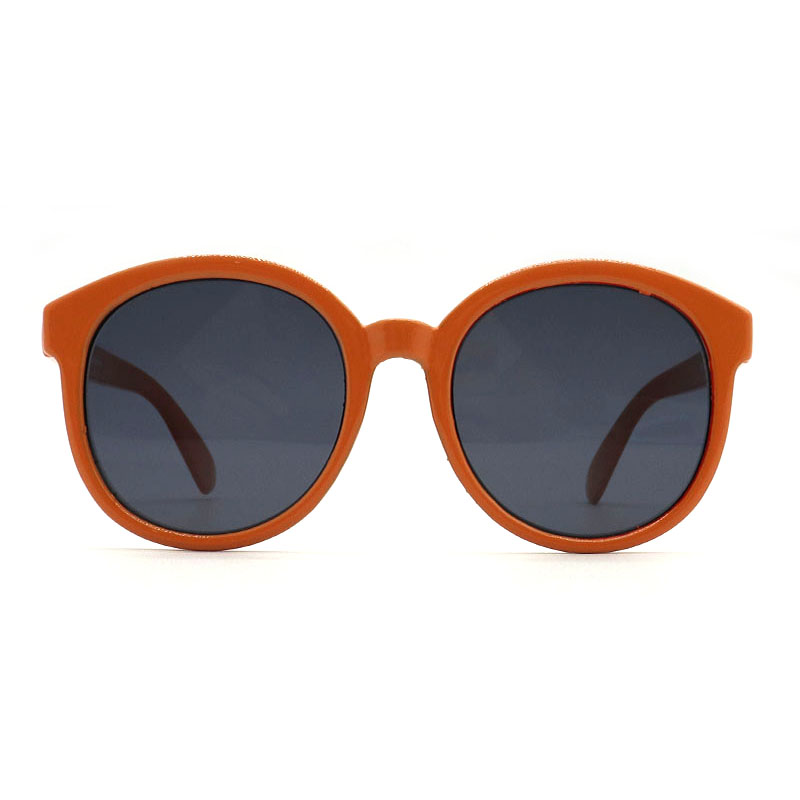
The packaging you select directly reflects your commitment to environmental responsibility. Bio acetate eyewear frames are increasingly paired with thoughtful packaging solutions that align with their sustainable nature. Recycled sunglasses often arrive in packaging that mirrors their eco-conscious production. For buyers evaluating suppliers, the packaging choice signals brand values and operational commitment to circular economy principles. Understanding these differences helps you select packaging that genuinely supports your sustainability goals rather than simply appearing green.
Compostable Packaging Fundamentals
What Makes Packaging Compostable
Compostable packaging breaks down into natural, non-toxic materials within a specific timeframe, typically 90 to 180 days, in industrial composting facilities. Unlike recyclable materials that return to manufacturing streams, compostable packaging transforms into nutrient-rich soil amendments. Bio acetate eyewear often ships in compostable boxes made from plant-based cellulose or mushroom leather. These materials decompose through microbial action, releasing carbon dioxide, water, and biomass without harming soil quality. The process requires controlled temperature and moisture conditions found only in certified commercial composting operations.
Benefits and Limitations
Compostable packaging offers psychological and environmental satisfaction for consumers prioritizing end-of-life solutions. Eco friendly glasses packaged in compostable materials feel aligned with premium sustainability positioning. However, compostable materials require infrastructure access; most consumers lack nearby composting facilities. Cost remains higher than conventional packaging, and compostable materials often perform less durably during shipping. Additionally, compostable packaging contaminated with non-compostable items compromises entire batches at composting facilities, requiring consumer education and proper disposal commitment.
Recyclable Packaging Fundamentals
How Recycling Systems Operate
Recyclable packaging consists of materials processed through established collection and sorting infrastructure, then reformed into new products. Recycled sunglasses boxes frequently use cardboard, paper, and certain plastics that municipal programs accept curbside. The recycling process sorts materials by type, shreds them, and reintroduces them into manufacturing chains. This circular model reduces virgin resource extraction and energy consumption compared to producing entirely new materials. Unlike composting, recycling infrastructure exists widely across urban and suburban areas, making accessibility substantially greater for mainstream consumers.
Advantages and Challenges
Recycled materials for sustainable eyewear packaging leverage mature, accessible systems that most consumers understand and actively participate in. Recycling costs less than compostable alternatives, allowing broader adoption across price-sensitive market segments. Recyclable packaging performs well under shipping stress and environmental exposure, protecting eyewear quality during transit. However, recycling systems vary significantly by location, and contamination rates remain high when consumers improperly sort materials. Recycled content maintains lower performance quality compared to virgin materials in certain applications, and energy-intensive recycling processes still generate carbon emissions, though substantially lower than virgin material production.
Strategic Selection Guidance
Evaluating Your Sustainability Goals
Buyers selecting packaging for bio acetate eyewear should first clarify their primary environmental objective. If your goal emphasizes eliminating landfill waste, recyclable packaging achieves this through established municipal systems. If your priority centers on regenerative outcomes and soil health, compostable packaging delivers tangible post-consumer benefits where infrastructure exists. Consider your customer demographic; eco-conscious audiences may prefer compostable messaging despite infrastructure limitations, while mainstream buyers gravitate toward recyclable options they actively use. Your brand positioning, supply chain costs, and geographic customer concentration all influence which solution aligns with operational reality and customer expectations.
Implementation and Scale Considerations
Implementing compostable packaging for eco friendly glasses requires supply chain partner capability and consumer education investment. Your suppliers must access certified compostable material vendors, potentially limiting options and requiring minimum order quantities. Scaling compostable solutions demands marketing clarity on proper disposal pathways since most consumers initially lack access. Recyclable packaging integrates seamlessly with existing logistics infrastructure and customer habits, enabling faster adoption across markets. For recycled sunglasses producers, material sourcing improves continuously as post-consumer recycled content availability increases. Hybrid approaches—using recyclable primary packaging with compostable inserts—offer flexibility, though this complexity increases cost and messaging challenges.
FAQ
Can sustainable eyewear use both compostable and recyclable packaging?
Yes, many eco friendly glasses producers employ hybrid packaging strategies combining recyclable outer boxes with compostable internal materials like tissue paper and starch-based cushioning. This approach accommodates diverse consumer disposal capabilities and maximizes environmental benefit across different end-of-life pathways. However, hybrid solutions increase complexity for messaging and potentially elevate costs, requiring clear labeling so consumers understand which components follow which disposal pathway.
What compostable packaging options exist for bio acetate eyewear?
Bio acetate eyewear can ship in compostable boxes made from mushroom leather, cellulose fibers, or seaweed-based materials. Compostable tissue, starch-based packing peanuts, and plant-based cushioning products protect frames during transit while fully decomposing. Certification standards like ASTM D6400 or EN 13432 verify genuine compostability, ensuring materials meet industrial composting facility requirements without leaving persistent residue.
How do recycled sunglasses packaging costs compare to compostable alternatives?
Recycled sunglasses packaging typically costs 10 to 30 percent less than compostable solutions due to mature manufacturing infrastructure and established material supply chains. Compostable materials command premium pricing as producers invest in newer technologies and specialized certifications. Long-term trends suggest compostable costs will decrease as volume increases, but recycled packaging will remain cost-advantaged for price-sensitive markets due to existing scale and infrastructure efficiency.



