
 EN
Water-Based vs Solvent-Based Coatings for Sustainable Eyewear Frames: Key Differences for Buyers
Which coating delivers real sustainability + performance for eco-friendly eyewear? Compare VOCs, durability, cost & compliance—make data-driven procurement decisions.
The eyewear industry faces mounting pressure to adopt environmentally responsible manufacturing practices. Choosing the right coating technology for sustainable eyewear frames directly impacts both product performance and environmental footprint. Water-based and solvent-based coatings represent two distinct approaches to finishing eco friendly glasses, each with unique advantages and limitations for manufacturers and end consumers. Understanding these coating systems is essential for buyers seeking genuine eco friendly glasses that align with corporate sustainability goals.
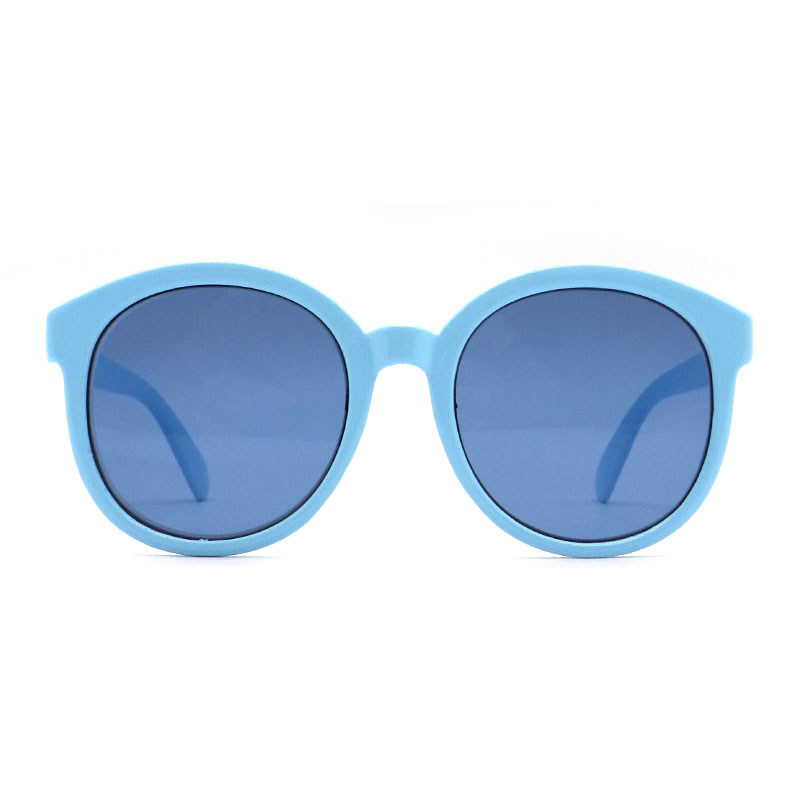
The coating selection process for bio acetate eyewear and recycled sunglasses involves evaluating chemical composition, manufacturing emissions, application durability, and end-of-life disposal impact. Water-based formulations have emerged as the preferred choice for brands committed to sustainability, yet solvent-based coatings remain prevalent due to established supply chains and specific performance requirements. This guide examines the critical differences between these two coating technologies to help procurement teams make informed decisions when sourcing sustainable eyewear from manufacturers.
Understanding Coating Composition and Environmental Impact
Water-Based Coating Systems for Eco Friendly Glasses
Water-based coatings use water as the primary solvent, replacing volatile organic compounds with aqueous dispersions. This fundamental difference significantly reduces airborne emissions during manufacturing, making them the natural choice for eco friendly glasses production. Water-based systems for bio acetate eyewear typically contain 50 to 70 percent water content, eliminating hazardous volatile organic compounds that contribute to indoor and outdoor air pollution during application.
The formulation chemistry of water-based coatings for recycled sunglasses involves polymer emulsions, where resin particles are suspended in water rather than dissolved in petroleum-derived solvents. This approach reduces manufacturing waste streams, lowers worker exposure to toxic chemicals, and simplifies disposal protocols. Production facilities using water-based systems for sustainable eyewear require fewer complex ventilation systems, reducing operational energy consumption and associated carbon emissions throughout the manufacturing lifecycle.
Solvent-Based Coating Characteristics
Solvent-based coatings rely on volatile organic compounds as carriers for protective resins and polymers. These systems have dominated eyewear manufacturing for decades because they enable rapid drying, superior adhesion to metallic materials, and exceptional durability in demanding conditions. However, the solvent evaporation process releases significant chemical compounds into the atmosphere, creating environmental and occupational health concerns that conflict with sustainable eyewear manufacturing principles.
Recycled sunglasses and bio acetate eyewear manufacturers using traditional solvent-based systems must invest heavily in emission control equipment, including activated carbon filters, thermal oxidizers, and scrubbing systems. These capital-intensive installations increase production costs and energy consumption, offsetting some economic advantages that solvent-based coatings historically offered. The waste streams generated from solvent-based processes also require specialized disposal, introducing additional environmental and regulatory compliance burdens.
Performance Durability and Application Suitability
Adhesion and Protective Properties
Water-based coatings for sustainable eyewear have historically struggled with adhesion to certain frame materials, particularly metals and difficult-to-wet plastics. Modern formulations have largely overcome these limitations through advanced binder chemistry and surface preparation techniques, allowing water-based systems to achieve adhesion comparable to solvent-based alternatives. Eco friendly glasses now benefit from water-based coatings that provide reliable scratch resistance, UV protection, and anti-reflective properties essential for functional performance.
Solvent-based coatings penetrate substrate surfaces more effectively due to their lower surface tension and superior wetting characteristics. This property enables exceptional adhesion to metallic frames, particularly titanium and stainless steel materials used in premium recycled sunglasses. The resulting finish exhibits higher chemical resistance and exceptional durability in corrosive environments, making solvent-based systems preferred for outdoor recreational and professional eyewear applications requiring extreme performance reliability.
Drying Time and Production Efficiency
Water-based coating systems for bio acetate eyewear require longer drying times, typically 4 to 8 hours for complete solvent evaporation compared to 30 to 60 minutes for solvent-based alternatives. This extended curing period impacts production throughput, requiring manufacturers to invest in additional climate-controlled drying chambers and staging areas. For sustainable eyewear producers committed to water-based formulations, optimizing production scheduling and implementing parallel processing workflows becomes essential to maintaining competitive manufacturing timelines.
Solvent-based coatings dry rapidly through evaporation, enabling manufacturers to complete coating processes within standard production shifts. This efficiency advantage reduces work-in-progress inventory, minimizes holding costs, and accelerates order fulfillment cycles. Recycled sunglasses manufacturers using solvent-based systems can achieve higher unit throughput with existing equipment, though this efficiency advantage must be weighed against increased environmental compliance costs and worker safety requirements.
Cost Analysis and Buyer Considerations
Raw Material and Manufacturing Expense
Water-based coatings for sustainable eyewear typically cost 15 to 25 percent more than conventional solvent-based alternatives due to advanced polymer chemistry and specialized additives. This pricing reflects genuine environmental benefits rather than market premium exploitation, as water-based formulations require more sophisticated manufacturing processes and rigorous quality controls. Buyers evaluating eco friendly glasses sourced with water-based coatings should expect premium pricing that corresponds directly to reduced environmental impact and improved occupational health standards.
Solvent-based coating systems benefit from mature supply chains, established manufacturing processes, and commoditized chemical inputs, resulting in lower baseline material costs. However, total cost of ownership for manufacturers extends significantly beyond raw material pricing when accounting for emission control equipment, regulatory compliance, worker safety programs, and specialized waste management. Recycled sunglasses and bio acetate eyewear manufacturers must factor these hidden costs into competitive pricing models to accurately reflect the true economic impact of coating technology selection.
Total Value Proposition for Sustainable Procurement
Organizations committed to sustainable eyewear procurement must evaluate coating technology through a comprehensive cost-benefit framework encompassing environmental impact, regulatory compliance, brand positioning, and long-term supply chain sustainability. Water-based systems deliver measurable value through reduced occupational health risks, simplified compliance with volatile organic compound regulations, and stronger alignment with corporate environmental responsibility commitments. The pricing premium for eco friendly glasses coated with water-based systems reflects genuine sustainability gains rather than marketing differentiation.
Buyers sourcing bio acetate eyewear and recycled sunglasses should prioritize manufacturers demonstrating transparency about coating technology selection, environmental certifications, and supply chain practices. Leading sustainable eyewear producers increasingly offer comprehensive sustainability documentation including volatile organic compound emissions data, water usage metrics, and waste stream analysis. This transparency enables informed procurement decisions that align brand values with authentic environmental performance rather than relying solely on marketing claims.
FAQ
Are water-based coatings truly more sustainable for eco friendly glasses production?
Water-based coatings significantly reduce manufacturing emissions and occupational health risks compared to solvent-based alternatives. For bio acetate eyewear and recycled sunglasses, water-based systems eliminate volatile organic compound releases, reduce water consumption in emission control systems, and simplify end-of-life waste management. However, sustainability benefits extend beyond coating chemistry to encompass entire production workflows, frame material sourcing, and packaging systems. True sustainable eyewear requires integrated environmental responsibility across all manufacturing phases.
Can water-based coatings match the durability of solvent-based systems for premium recycled sunglasses?
Modern water-based formulations achieve comparable durability to solvent-based coatings for most eyewear applications, including outdoor recreational use and daily wear scenarios. Performance parity depends on substrate preparation quality, coating application technique, and post-cure processing. For specialized applications requiring extreme chemical resistance or prolonged UV exposure, solvent-based systems may offer marginal performance advantages. Manufacturers of sustainable eyewear should conduct application-specific durability testing to validate coating performance against functional requirements.
What should buyers consider when evaluating coating technology in sustainable eyewear specifications?
Procurement teams should request detailed coating specification data including volatile organic compound emissions levels, adhesion test results, durability performance metrics, and environmental certification documentation. For eco friendly glasses, recycled sunglasses, and bio acetate eyewear sourcing, establish clear performance requirements aligned with end-use scenarios and verify compliance through third-party testing. Request transparency about manufacturing processes, waste management practices, and occupational health standards to ensure authentic sustainable eyewear that delivers genuine environmental benefits rather than superficial green positioning.



