
 EN
Bio-Based Acetate and Its Role in Sustainable Eyewear: A Technical Guide for Eyewear Buyers
Discover how bio acetate delivers identical performance, certifications, and scalability. Download the buyer’s guide now.
The eyewear industry faces growing pressure to address environmental impact, driving innovation in materials and manufacturing processes. Bio-based acetate has emerged as a transformative solution for brands and retailers seeking to offer sustainable eyewear without compromising on quality, durability, or aesthetic appeal. Unlike conventional petroleum-based acetate, bio acetate eyewear leverages renewable plant resources to create frames that perform identically to traditional materials while significantly reducing carbon footprint and environmental strain.
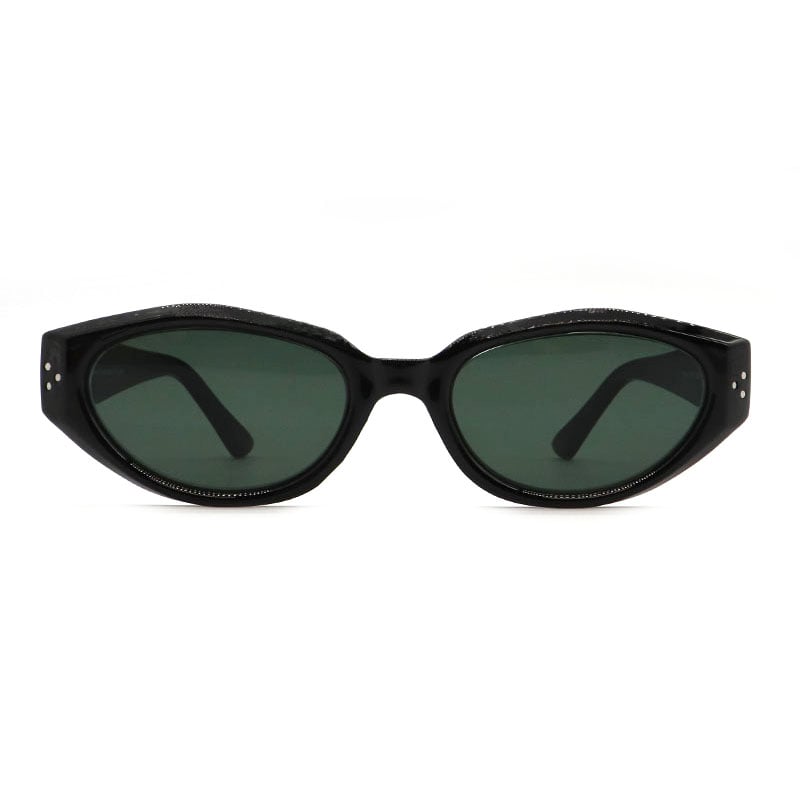
For eyewear buyers navigating the transition toward eco friendly glasses, understanding the technical properties and sourcing mechanisms of bio acetate eyewear is essential. This guide explores how bio-based materials function in frame production, why recycled sunglasses represent a complementary approach, and how buyers can evaluate sustainable eyewear options that align with both environmental goals and market demand. The shift toward bio acetate and recycled materials reflects broader consumer expectations and regulatory trends that will continue shaping the eyewear landscape.
Understanding Bio-Based Acetate and Material Science
The Composition and Origin of Bio Acetate
Bio acetate eyewear is manufactured from cellulose derived from sustainable agricultural sources, primarily wood pulp and plant-based materials. This differs fundamentally from conventional acetate, which is synthesized from petroleum derivatives and crude oil feedstocks. The cellulose used in bio acetate production is processed into acetate resin, which maintains the same chemical structure and performance characteristics as traditional acetate, ensuring that eco friendly glasses deliver identical durability and optical clarity.
The production process for bio acetate eyewear involves extracting cellulose from renewable sources, converting it into acetate polymer, and then molding it into frame blanks. This methodology has been refined over decades, allowing manufacturers to achieve the same precision and consistency that eyewear buyers expect. Sustainable eyewear made from bio acetate can be dyed, polished, and finished with the same techniques used for conventional materials, making the transition seamless for production facilities.
Environmental and Performance Benefits
Bio acetate eyewear offers measurable environmental advantages over petroleum-based alternatives. By sourcing cellulose from sustainably managed forests and agricultural residues, eco friendly glasses reduce reliance on fossil fuels and decrease associated greenhouse gas emissions throughout the production lifecycle. Additionally, because bio acetate is derived from renewable resources, recycled sunglasses and bio acetate frames can be produced without depleting non-renewable reserves.
From a performance perspective, bio acetate eyewear exhibits thermal stability, chemical resistance, and color retention that matches or exceeds traditional acetate specifications. The material resists UV degradation, maintains flexibility at various temperatures, and provides excellent dimensional stability—all critical factors for eyewear durability. These properties ensure that sustainable eyewear meets rigorous quality standards expected by opticians, retailers, and end consumers.
Technical Specifications and Production Considerations
Material Properties and Frame Manufacturing
Bio acetate eyewear maintains consistent density, hardness, and workability throughout the manufacturing process. These properties enable precision cutting, drilling, and finishing operations essential for frame assembly. Sustainable eyewear frames produced from bio acetate can be injection-molded, hand-polished, or CNC-machined to achieve intricate designs, delicate hinges, and precision temple constructions that match the complexity of conventional acetate frames.
Color consistency represents another technical advantage of bio acetate eyewear. The material accepts consistent dye penetration, allowing eco friendly glasses to achieve vibrant, uniform color saturation without batch-to-batch variation. For eyewear buyers managing seasonal collections or bulk orders, this consistency simplifies quality control and reduces waste from color mismatches. The transparency and light transmission properties of bio acetate ensure that frames maintain their intended aesthetic while providing optical compatibility with most lens types.
Certifications and Sustainability Standards
Bio acetate eyewear sourcing requires verification of responsible forestry and renewable resource management. Major certifications for sustainable eyewear materials include FSC (Forest Stewardship Council) certification, which guarantees that cellulose originates from responsibly managed forests. ISO standards for bio-based materials and lifecycle assessment (LCA) frameworks help eyewear buyers evaluate the true environmental impact of eco friendly glasses across production, shipping, and disposal phases.
Recycled sunglasses and bio acetate frames often carry third-party certifications confirming renewable content percentages and traceability. These certifications provide eyewear buyers with transparent information regarding the proportion of bio-based versus recycled materials in each frame. Established certifications strengthen brand credibility, support marketing claims about sustainable eyewear, and increasingly influence procurement decisions from larger retailers and institutional buyers.
Market Positioning and Buyer Strategy
Consumer Demand and Competitive Positioning
Global consumer interest in sustainable eyewear has expanded significantly as environmental awareness increases and younger demographics prioritize eco-conscious purchasing. Eco friendly glasses appeal to value-conscious buyers, premium market segments, and corporate sustainability initiatives simultaneously. Bio acetate eyewear allows brands to position themselves as environmentally responsible while maintaining the design flexibility, color variety, and aesthetic appeal that drive purchasing decisions.
For eyewear buyers, offering recycled sunglasses and bio acetate frames creates competitive differentiation in crowded markets. These products attract environmentally conscious consumers willing to pay premiums for sustainable eyewear while appealing to retailers seeking to enhance brand reputation. Complementing conventional frames with eco friendly glasses options provides market segmentation flexibility without requiring entirely new manufacturing processes or supply chains.
Sourcing and Supply Chain Integration
Eyewear buyers transitioning toward sustainable eyewear must evaluate supplier capabilities, material consistency, and minimum order quantities. Bio acetate eyewear availability has increased substantially, with multiple manufacturers offering competitive pricing and production timelines comparable to conventional acetate. Establishing relationships with suppliers committed to documented renewable sourcing ensures that eco friendly glasses meet internal sustainability standards and customer expectations.
Integrating recycled sunglasses alongside bio acetate frames creates comprehensive sustainable eyewear portfolios addressing diverse customer preferences. Some buyers prioritize purchasing recycled sunglasses that incorporate post-consumer or post-industrial waste streams, while others focus exclusively on bio acetate sourcing. Effective supply chain strategy accommodates both material types, enabling eyewear buyers to serve evolving market segments and regulatory requirements while optimizing production efficiency.
FAQ
What is the difference between bio acetate eyewear and recycled sunglasses?
Bio acetate eyewear originates from renewable plant-based cellulose, creating entirely new frames from sustainable sources. Recycled sunglasses incorporate reclaimed materials—either post-consumer waste or post-industrial scraps—reducing landfill burden and resource consumption. Both represent sustainable eyewear solutions, but they employ different supply chain models. Bio acetate emphasizes renewable sourcing, while recycled sunglasses emphasize waste reduction and circular economy principles. Many eyewear buyers offer both eco friendly glasses options to serve different sustainability priorities and consumer preferences.
Do bio acetate eyewear frames match the durability and performance of conventional acetate?
Yes, bio acetate eyewear performs identically to petroleum-based acetate in durability, temperature stability, and optical clarity. The chemical structure of bio acetate is equivalent to traditional acetate, ensuring sustainable eyewear meets the same engineering specifications and quality standards. Frames maintain flexibility, resist impact, and retain color consistency throughout their lifespan. Eyewear buyers can confidently specify bio acetate eyewear for all frame styles and designs previously produced from conventional materials without compromising performance or customer satisfaction.
How can eyewear buyers verify the sustainability claims of bio acetate eyewear?
Eyewear buyers should request certified documentation from suppliers confirming renewable material sourcing, such as FSC certification for forestry management. Third-party lifecycle assessments (LCA) provide transparent data regarding environmental impact reduction compared to conventional materials. Suppliers should disclose the percentage of bio-based content in each frame and identify renewable sources by region. Requesting material specifications, production facility certifications, and sustainability audit results ensures that eco friendly glasses meet stated environmental claims and support transparent communication with retailers and end consumers.



