
 EN
Low-Impact Surface Treatments in Sustainable Eyewear Manufacturing: Key Differences and Selection Factors
Compare water-based, UV-curable & bio-acetate treatments. Make data-driven, sustainable choices now.
The eyewear industry faces increasing pressure to adopt environmentally responsible practices, and sustainable eyewear has emerged as a critical focus area for manufacturers committed to reducing their ecological footprint. Surface treatments in eyewear production directly impact both product durability and environmental consequences, making the choice of treatment method essential for brands pursuing genuine sustainability goals. Understanding the differences between various low-impact surface treatment approaches enables manufacturers to make informed decisions that align quality expectations with environmental responsibility.
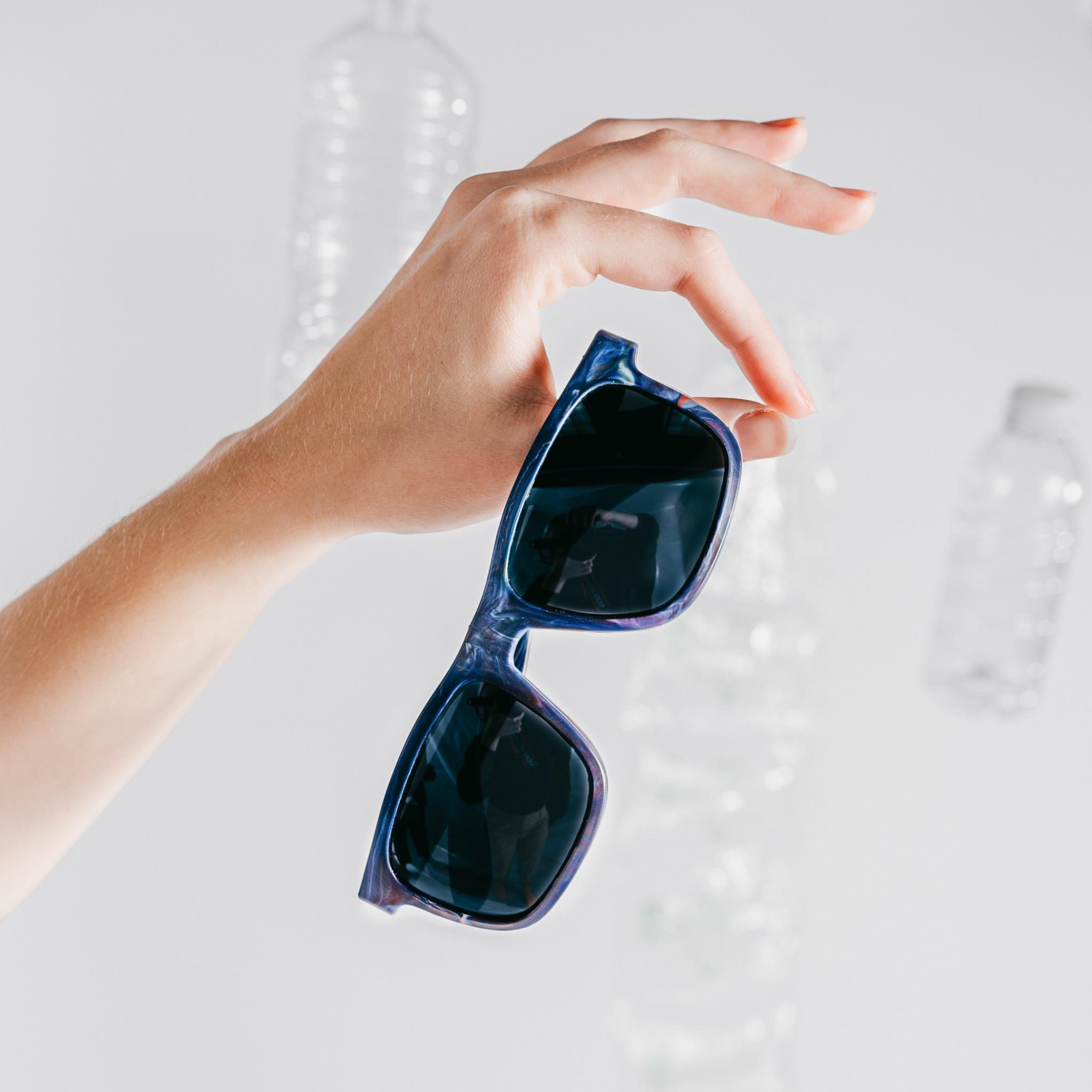
Sustainable eyewear manufacturing requires careful material selection and processing to minimize harm throughout the product lifecycle. From frame production through finishing stages, each surface treatment decision influences waste generation, chemical usage, and end-of-life recyclability. Manufacturers seeking to deliver eco friendly glasses must evaluate treatments based on effectiveness, durability, environmental impact, and alignment with their brand sustainability commitments.
Material Foundation and Surface Treatment Categories
Bio Acetate and Natural Material Options
Bio acetate eyewear represents one of the most established sustainable material choices in frame manufacturing. Derived from renewable cellulose sources such as wood pulp and cotton linters, bio acetate eyewear delivers comparable optical and aesthetic properties to traditional petroleum-based acetate while significantly reducing fossil fuel dependency. Manufacturers applying surface treatments to bio acetate must account for material characteristics that influence coating adhesion, curing processes, and final finish quality.
The surface preparation phase determines whether subsequent treatments will perform adequately on bio acetate frames. Unlike metal or plastic composites, bio acetate responds differently to conventional abrading, primer application, and coating deposition. Low-impact surface treatments for eco friendly glasses built from bio acetate emphasize water-based primers, UV-curable coatings, and mechanical surface activation methods that avoid harsh chemical exposure while maintaining protective properties.
Recycled Sunglasses and Material Diversity
Recycled sunglasses incorporate reclaimed materials such as recovered acetate, recycled titanium, and repurposed plastics, each presenting unique surface treatment challenges. Material variability inherent in recycled feedstock demands flexible surface preparation protocols that can accommodate compositional differences while maintaining consistent final performance. Eco friendly glasses manufactured from recycled content require surface treatments capable of bonding to substrates that may contain residual coatings, contaminants, or material property variations.
Choosing appropriate treatments for recycled sunglasses involves balancing environmental benefits against processing complexity. Simpler treatment systems that achieve necessary adhesion and durability with fewer processing steps reduce overall energy consumption and chemical waste. Manufacturers must validate that selected surface treatment methods do not negate the environmental advantages gained through material recycling.
Low-Impact Surface Treatment Technologies
Water-Based and Aqueous Coating Systems
Water-based coating systems represent a cornerstone technology for sustainable eyewear production, dramatically reducing volatile organic compound emissions compared to solvent-based alternatives. These systems utilize water as the primary carrier medium, minimizing air pollution, worker exposure risks, and regulatory compliance challenges. Bio acetate eyewear and recycled sunglasses both benefit from water-based topcoats that provide anti-reflection, scratch resistance, and aesthetic finishes without hydrocarbon emissions.
Application of water-based coatings to sustainable eyewear requires precise humidity and temperature control to ensure proper film formation and coating quality. Unlike traditional solvent systems that rely on volatilization, water-based coatings cure through coalescence and cross-linking, demanding specific environmental conditions during application and drying. Manufacturers investing in water-based systems for eco friendly glasses must implement climate-controlled application booths and optimize spray application parameters to achieve consistent results.
UV-Curable and Energy-Efficient Methods
UV-curable surface treatments offer significant energy efficiency advantages for sustainable eyewear manufacturing by eliminating extended drying times and thermal curing processes. These treatments polymerize nearly instantaneously when exposed to ultraviolet radiation, allowing rapid production throughput while reducing energy consumption compared to conventional heat-cured systems. Recycled sunglasses and bio acetate eyewear both accommodate UV-curable technologies, which create durable, abrasion-resistant finishes without solvents or volatile emissions.
Implementation of UV-curing technology requires investment in specialized equipment and formulation expertise to achieve optimal cross-link density and material compatibility. Surface preparation prior to UV-curable coating application must eliminate contaminants and moisture that might interfere with curing efficiency. Manufacturers pursuing sustainable eyewear solutions through UV methods gain not only environmental benefits but also improved production economics through faster cycle times and reduced material waste.
Selection Framework and Decision Criteria
Performance Requirements and Material Compatibility
Selecting appropriate surface treatments for sustainable eyewear demands alignment between performance specifications and material properties. Eco friendly glasses must deliver prescribed optical clarity, impact resistance, and aesthetic finishes regardless of underlying material composition. Different surface treatments interact differently with bio acetate eyewear, recycled sunglasses, and other substrate materials, requiring validation testing before full-scale production implementation.
Manufacturers should establish clear performance benchmarks including scratch resistance, adhesion strength, chemical resistance, and durability under real-world conditions before committing to specific surface treatment systems. Testing protocols must account for material-specific vulnerabilities and intended end-use environments. Sustainable eyewear that fails to meet durability expectations ultimately proves counter-productive environmentally, as premature replacement negates material recycling and renewable resource benefits.
Environmental Impact Assessment and Lifecycle Considerations
Comprehensive environmental evaluation extends beyond coating composition to encompass entire surface treatment workflow, including material consumption, energy requirements, wastewater generation, and end-of-life treatment of processing byproducts. Bio acetate eyewear combined with water-based surface treatments may offer superior overall environmental performance compared to recycled sunglasses treated with energy-intensive processes, depending on specific production conditions and material sourcing practices.
Manufacturers developing sustainable eyewear collections should document chemical inventory, energy consumption, waste generation, and water usage throughout surface treatment operations. This data-driven approach enables identification of optimization opportunities and substantiation of environmental claims. Eco friendly glasses that incorporate comprehensive lifecycle assessment transparency build consumer confidence and support premium positioning in increasingly environmentally conscious markets.
FAQ
What makes bio acetate eyewear more sustainable than traditional plastic frames?
Bio acetate eyewear derives from renewable cellulose sources like wood pulp and cotton, eliminating dependence on fossil fuel-based polymers. This renewable material foundation reduces carbon footprint and supports responsible forestry practices. Additionally, bio acetate frames remain mechanically recyclable at end-of-life, creating circular material pathways. The reduced environmental impact during raw material extraction and processing makes bio acetate eyewear an inherently more sustainable choice compared to conventional petroleum-derived plastics.
How do water-based coatings improve the sustainability profile of eco friendly glasses?
Water-based coating systems eliminate volatile organic compound emissions, dramatically reducing air pollution and worker exposure hazards compared to solvent-based alternatives. These systems require no harsh chemical solvents for thinning or cleanup, substantially reducing toxic waste streams. Eco friendly glasses treated with water-based coatings maintain equivalent performance properties including scratch resistance and optical clarity while delivering measurable environmental and occupational health benefits. The shift to water-based technologies represents a direct pathway to cleaner manufacturing with minimal performance compromise.
Can recycled sunglasses achieve the same durability as frames made from virgin materials?
Recycled sunglasses can absolutely match performance standards of virgin material frames when engineered and treated appropriately. Surface treatment selection becomes more critical with recycled materials due to potential compositional variations, but proper preparation and compatible coating systems deliver equivalent adhesion, scratch resistance, and optical quality. Manufacturers validate recycled sunglasses through rigorous testing to confirm durability across environmental conditions. The key advantage of recycled content is environmental benefit without durability compromise when manufacturing processes maintain strict quality controls.



