
 EN
Custom Sunglasses Assortment and Color Planning: Planning Considerations for Buyers and Brands
Master color psychology, production feasibility, and tiered assortment planning for OEM & branded programs. Optimize now.
Developing a successful custom sunglasses assortment requires strategic planning that extends far beyond choosing frames and lenses. Brands and buyers must navigate color preferences, production timelines, inventory management, and market positioning to deliver products that resonate with end consumers. The process demands understanding both aesthetic trends and practical constraints that define successful custom eyewear programs.
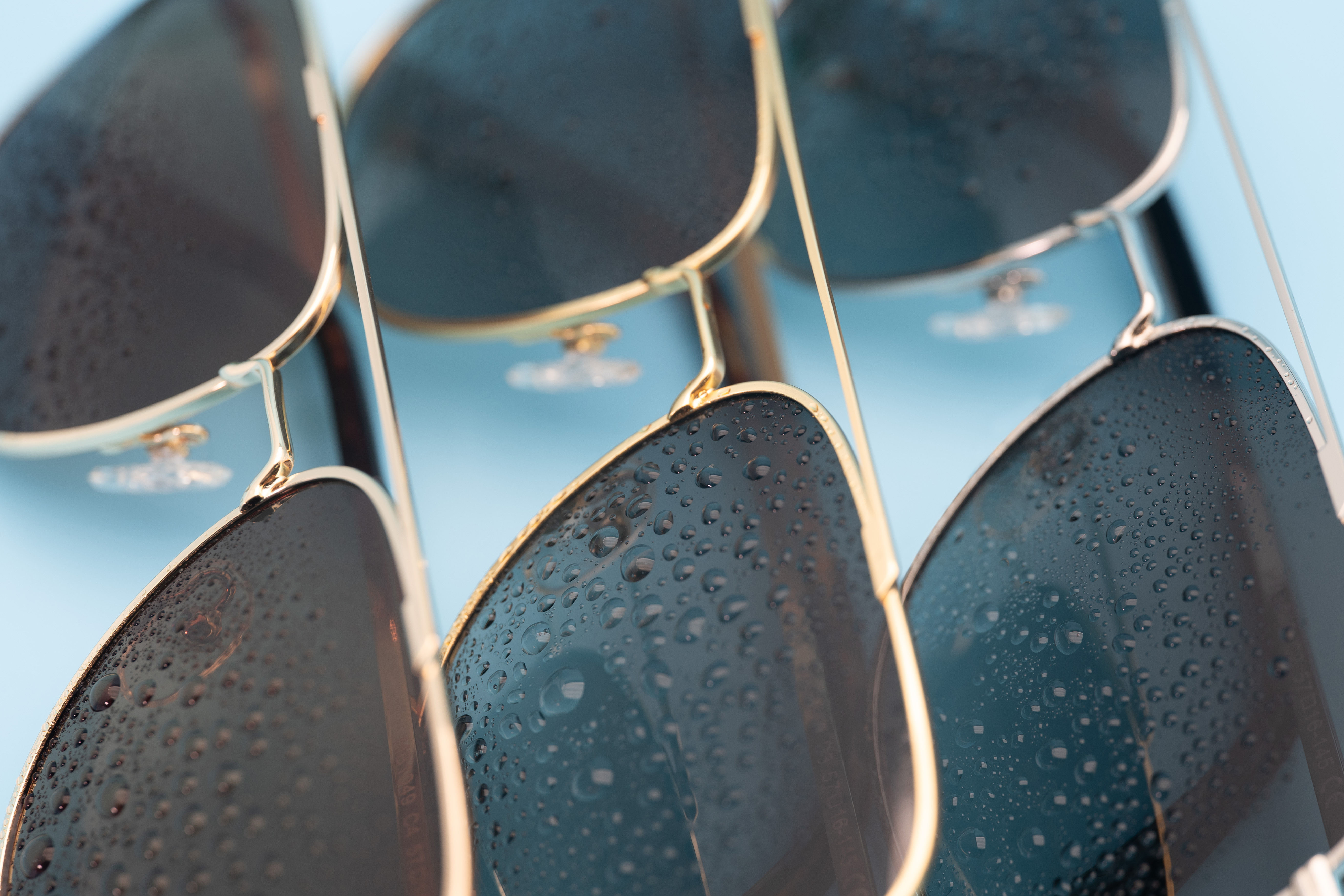
When implementing branded sunglasses or promotional sunglasses programs, the foundational decisions made during the planning phase directly influence production efficiency, cost management, and customer satisfaction. Whether designing oem sunglasses for corporate gifting or retail distribution, careful consideration of color palettes, style variety, and target demographics ensures your assortment meets market demands while maintaining operational viability.
Understanding Color Dynamics in Custom Sunglasses Design
The Psychology of Color Selection
Color choice stands as one of the most influential design decisions when planning custom sunglasses assortments. Different lens and frame colors appeal to distinct consumer segments and seasonal preferences. Neutral tones like black, brown, and gray consistently perform well across demographics and seasons, offering versatility and timeless appeal. However, introducing accent colors or trendy shades can differentiate your promotional sunglasses offering and attract younger audiences seeking fashion-forward options.
For branded sunglasses programs, color selection often ties directly to corporate identity and brand guidelines. Custom color matching ensures your eyewear reinforces brand recognition and creates cohesive marketing campaigns. The psychology of color extends beyond aesthetics; it influences perceived quality, price positioning, and consumer purchase decisions. A well-planned color assortment tells a coherent brand story while accommodating diverse customer preferences within your oem sunglasses lineup.
Production Feasibility and Lead Times
Introducing multiple colors within your custom sunglasses assortment impacts production workflows and manufacturing lead times. Each color variant requires separate production runs, quality control checks, and inventory management procedures. Manufacturers typically recommend limiting initial assortments to core colors that maximize production efficiency while providing meaningful variety. Balancing aesthetic ambition with manufacturing constraints ensures timely delivery and cost-effectiveness for branded sunglasses and promotional sunglasses initiatives.
Lead time considerations influence when you finalize color specifications for your oem sunglasses program. Seasonal forecasting becomes critical; winter assortments may emphasize darker palettes while summer collections introduce lighter, brighter options. Strategic color planning allows manufacturers to consolidate production, reduce changeover costs, and negotiate better pricing, ultimately improving margins on your custom sunglasses portfolio.
Assortment Strategy and Market Positioning
Defining Your Target Market and Demographics
Effective assortment planning begins with clear understanding of your target customer and their preferences. Custom sunglasses designed for corporate gifting serve different aesthetic and functional purposes than retail-focused branded sunglasses. Age, gender, lifestyle, and geographic location all influence which frame styles, lens tints, and colors will resonate most strongly. A comprehensive demographic analysis informs everything from inventory allocation to promotional messaging for your oem sunglasses selection.
Market research into competitor offerings, trend reports, and consumer surveys provides valuable data for assortment decisions. When planning promotional sunglasses distributions, understanding whether your audience prioritizes style, durability, comfort, or price sensitivity shapes which custom sunglasses variants deserve the largest inventory commitments. This targeted approach prevents overinvestment in slow-moving styles while ensuring adequate stock of high-performing items.
Balancing Variety with Operational Efficiency
The temptation to maximize style and color variety must be balanced against operational realities. Excessive assortment complexity increases warehousing costs, complicates order fulfillment, and creates higher inventory risk. Most successful custom sunglasses programs maintain a disciplined SKU strategy, focusing on a core group of bestsellers supplemented by limited-edition or seasonal options. This approach applies equally to branded sunglasses initiatives and oem sunglasses programs serving different distribution channels.
Implementing tiered assortment models allows flexibility without unnecessary complexity. A base tier includes essential styles and colors that perform consistently year-round. A mid tier introduces seasonal or trend-driven options. Premium tiers reserve space for exclusive or limited releases that generate excitement and urgency. This structured approach to custom sunglasses planning ensures your portfolio remains fresh and market-responsive while maintaining manageable operations.
Practical Implementation and Decision Framework
Establishing Color Palettes and Style Families
Begin your custom sunglasses planning by grouping frame styles into families and assigning color palettes to each. For example, classic styles might feature neutral and earth-tone colors, while contemporary frames accommodate bolder palettes. This approach simplifies decision-making, streamlines production, and creates visual coherence across your branded sunglasses or promotional sunglasses collection. Color families also guide marketing communications and help retailers understand positioning for each oem sunglasses variant.
When defining palettes, consider both inventory practicality and customer appeal. A typical custom sunglasses assortment might include two to four lens tint options per frame style, with frame colors typically limited to three to six core choices. This structure accommodates meaningful variety while remaining manageable from production and inventory perspectives. Testing initial assortments with small production runs allows data-driven refinement before committing to larger volumes.
Forecasting Demand and Managing Inventory
Accurate demand forecasting prevents costly stockouts of popular custom sunglasses while minimizing excess inventory of slower-moving items. Historical sales data, seasonal trends, and market indicators should inform your production planning. For new branded sunglasses programs or oem sunglasses launches, conservative initial forecasts allow for adjustments based on actual market response. Regular inventory monitoring enables reorders of successful items and informed decisions about discontinuing underperforming variants.
Collaboration between marketing, sales, and operations teams ensures forecasts reflect realistic market conditions rather than optimistic projections. Clear communication about promotional sunglasses timing, discounting strategies, and channel-specific performance helps align inventory levels with actual demand. Building flexibility into your custom sunglasses supply chain through safety stock and vendor responsiveness protects against demand surprises while maintaining operational efficiency.
FAQ
How many color options should a custom sunglasses assortment include?
Most successful custom sunglasses programs balance variety with operational efficiency by offering two to four lens tint options and three to six frame color choices per style. For branded sunglasses or promotional sunglasses initiatives, this range provides meaningful differentiation while keeping production and inventory manageable. Start with a conservative core assortment, then expand based on sales performance and market feedback. Your oem sunglasses manufacturer can recommend optimal assortment sizes based on their production capabilities and your budget constraints.
What role does seasonality play in branded sunglasses color planning?
Seasonality significantly influences custom sunglasses assortment strategy and color selection. Summer collections typically emphasize lighter frames and lighter lens tints, while fall and winter assortments shift toward darker, more neutral palettes. Spring often introduces trendy or fashion-forward options. Planning your promotional sunglasses or oem sunglasses inventory around these seasonal preferences maximizes relevance and sales velocity. Manufacturers generally require six to nine months lead time, so color and style decisions must anticipate seasonal demand well in advance.
How can buyers minimize risk when launching a new custom sunglasses line?
Start with limited production runs of your custom sunglasses assortment, testing core styles and colors before committing to larger volumes. Use real sales data to guide expansion decisions and identify which branded sunglasses or promotional sunglasses variants merit increased inventory. Maintain close communication with your oem sunglasses supplier about flexibility for mid-season adjustments and reorders. Building scalable relationships with manufacturers who can accommodate small initial orders and incremental growth reduces financial risk while allowing you to refine your assortment strategy based on market response.



