
 EN
Approving Pre-Production Samples of Custom Sunglasses: Practical Quality Control Steps
Follow these 7 practical QC steps to verify optical quality, fit, durability & branding before mass production. Start approving confidently today.
Approving pre-production samples is one of the most critical phases in the custom sunglasses manufacturing process. Whether you're ordering branded sunglasses, OEM sunglasses, or promotional sunglasses for your business, the quality of your final product depends entirely on how thoroughly you evaluate these initial samples. This stage gives you the opportunity to catch defects, verify material specifications, assess comfort and fit, and ensure that the finished product aligns with your vision before committing to a full production run. Skipping or rushing this phase can result in costly rework, delays, or damaged brand reputation.
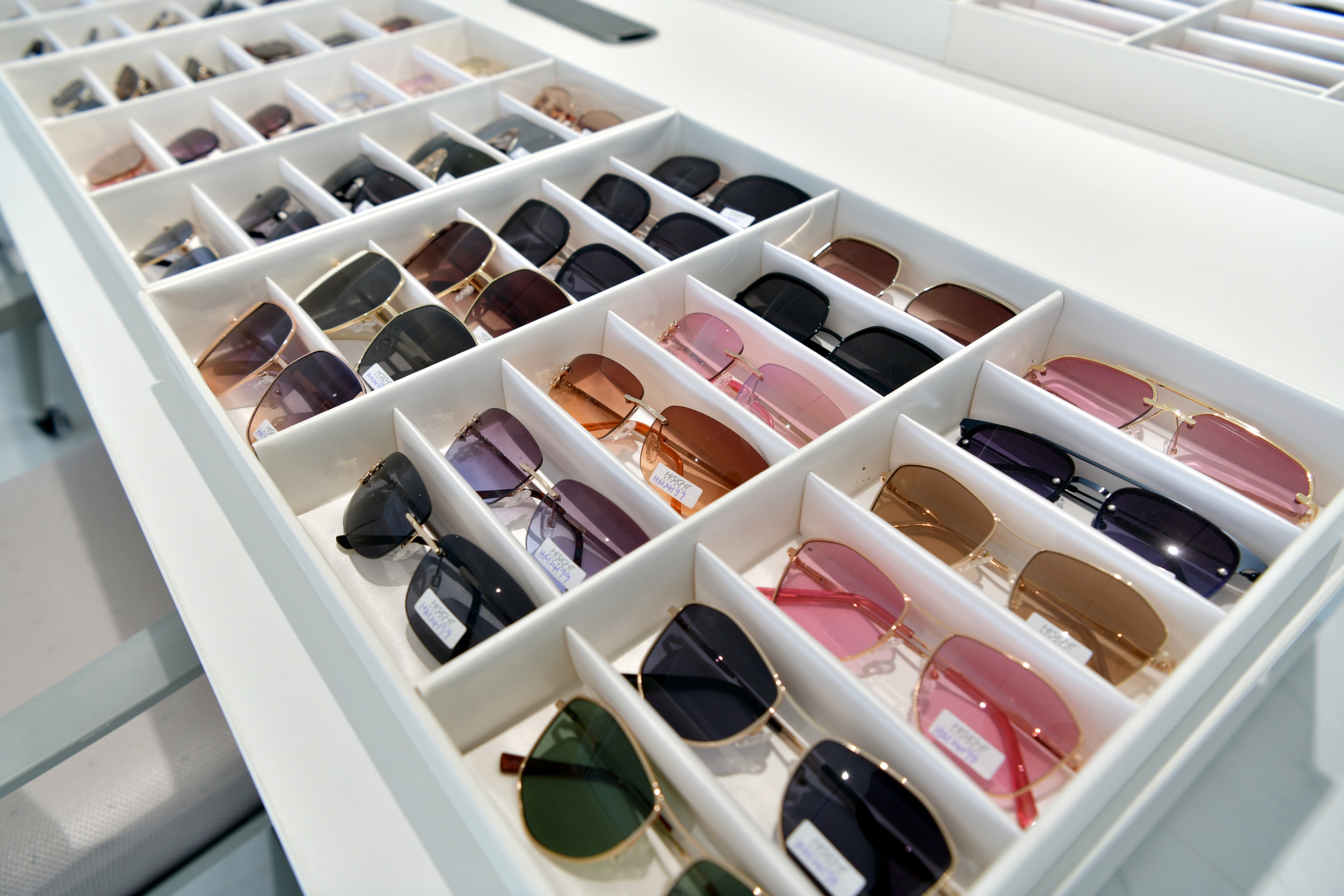
The approval process for custom sunglasses requires a structured quality control approach that addresses multiple dimensions simultaneously. You must evaluate optical quality, physical durability, aesthetic consistency, material authenticity, and functional performance. Each element plays a role in determining whether the samples meet your specifications and are ready for mass production. This article walks you through the essential steps for approving pre-production samples of custom sunglasses, enabling you to make informed decisions and maintain consistent quality across your branded sunglasses line.
Visual and Aesthetic Inspection
Examining Surface Finish and Color Accuracy
The first step in evaluating pre-production samples is a comprehensive visual inspection. Branded sunglasses must present a flawless surface finish that reflects your brand standards. Check for scratches, scuffs, paint defects, or uneven coating on the frames. Compare the sample colors against your approved design specifications using consistent lighting conditions. Color matching is especially important for promotional sunglasses where brand identity depends on exact shade reproduction. Look for variations in lens tint, frame color, and bridge area consistency. Take photos of the samples under different lighting angles to identify any finish flaws that may not be immediately apparent.
Frame Symmetry and Alignment
OEM sunglasses production requires precise symmetry between left and right frames. Place the sample flat on a level surface and inspect both sides for matching proportions, bridge width, and temple length. Check that the hinges are centered and aligned properly, and that both temples fold at identical angles. Verify that lens installation is centered within each frame opening and that there are no gaps between the lens and frame edge. Asymmetry issues discovered during sample approval can indicate mold misalignment or manufacturing setup problems that must be resolved before full production begins.
Optical Performance Testing
Lens Quality and UV Protection
Optical performance is fundamental to any quality custom sunglasses offering. Request that samples include optical lab certification confirming UV400 protection and any anti-glare or polarization specifications your design calls for. Inspect lenses for clarity by looking through them at objects near and far. Check for distortion, cloudiness, scratches, or embedded particles. Place lenses against a light source to identify internal stress marks or manufacturing defects. If your branded sunglasses include gradient tints, verify that the color transition is smooth and meets your design specifications. Test lens scratch resistance by gently running a soft cloth across the surface to ensure proper anti-scratch coating application. Defective optical properties discovered later during customer use will result in returns and reputational damage.
Refractive Quality and Clarity
Look through the sample lenses while focusing on objects at various distances. The view should be clear without waviness, distortion, or visual aberrations. Promotional sunglasses with premium positioning must deliver optical clarity that justifies their price point. Test the lenses by looking through different areas of the lens to ensure uniform optical correction. Hold the sample up to a printed grid or pattern to check for any optical distortion patterns. If polarized lenses are part of your specification, verify polarization effectiveness by viewing an LCD screen through the lenses; the screen should appear darkened or show interference patterns confirming proper polarization application.
Material and Durability Assessment
Frame Material Testing
The durability of OEM sunglasses hinges on the quality of frame materials. Gently flex the frames by hand to assess material rigidity and resilience. The frames should return to their original shape without permanent deformation. Inspect the material for brittleness, warping, or stress cracks around hinges and bridge areas. Test material flexibility by carefully bending the temples to a 45-degree angle and releasing; they should snap back without cracking. For plastic frames, look for uneven coloring or molding flash that wasn't properly trimmed. For metal frames, check solder joints for strength and verify that metal finishes are corrosion-resistant.
Hardware and Assembly Durability
Examine all metal hardware including hinges, nose pads, and adjustment mechanisms. Check that hinges operate smoothly without grinding, sticking, or excessive looseness. Rotate the hinges through multiple open-and-close cycles to simulate long-term use and identify potential wear patterns. Test nose pads for secure adhesion by applying gentle pressure; they should not shift or detach. For custom sunglasses with adjustable nose bridges or temple tips, verify that adjustment mechanisms hold position without slipping. Inspect screw threads for proper alignment and strength. Loose or defective hardware discovered in pre-production samples suggests quality control issues in the assembly process that must be resolved before full production authorization.
Fit and Comfort Evaluation
Sizing and Wearing Comfort
Branded sunglasses must be comfortable during extended wear sessions. Have multiple testers wear the sample for at least 15–20 minutes to evaluate comfort. Check that the frame width matches your size specifications and that the fit feels balanced across the bridge and temples. Verify that nose pads distribute pressure evenly without causing discomfort or marks. The temple length should allow the frames to sit properly on the ears without pressure points. For different face shapes and sizes, test fit variations if your custom sunglasses line includes multiple sizes. Document any comfort issues and compare them against your design specifications.
Temple and Bridge Fit Verification
The bridge area carries most of the frame weight, and it must sit comfortably on the nose without sliding. Apply gentle downward pressure to simulate normal wear and check for slippage. Verify that temple arms rest securely on the ears without excessive pressure or gaps. The temple angles should support the frames in a stable position during movement. Check that temple tips grip the ears without causing irritation or leaving marks after extended wear. For promotional sunglasses intended for a wide audience, having samples tested across multiple head sizes and shapes provides confidence that the design will perform well in production.
Documentation and Approval Decision
Creating a Quality Checklist
Establish a standardized quality checklist for evaluating all pre-production samples. Include sections for visual inspection, optical testing, material durability, fit and comfort, and any brand-specific requirements. This checklist ensures consistency across multiple sample evaluations and creates a documented record of approval decisions. For OEM sunglasses and branded sunglasses orders, having written documentation protects both your business and the manufacturer. Photograph each sample showing both packaging and product details. Record measurements, test results, and tester feedback systematically.
Communicating Approval or Rejection
Once evaluation is complete, communicate your decision clearly to the manufacturer with specific findings. If samples are approved, confirm that these exact specifications and manufacturing parameters will be maintained throughout full production. If revisions are needed, provide detailed feedback identifying exactly what must change. For custom sunglasses requiring modifications, request new samples demonstrating the corrections before granting final approval. Establish a timeline for resubmission and specify which issues are critical versus minor enhancements.
FAQ
What should I prioritize when evaluating pre-production samples of custom sunglasses?
Prioritize optical quality and UV protection first, as these directly impact customer safety and satisfaction. Second, focus on physical durability including frame rigidity and hardware strength. Third, assess fit and comfort to ensure the sunglasses perform well during extended wear. Finally, verify aesthetic consistency with your brand standards, including color matching and surface finish quality. A systematic approach that covers all four dimensions ensures that nothing critical is overlooked before full production begins.
How many samples should I request before approving branded sunglasses for production?
Request at least two to three samples to account for manufacturing variation and allow testing across multiple units. Having multiple samples enables you to test different aspects simultaneously without damaging a single sample during durability or optical testing. For OEM sunglasses and promotional sunglasses, having multiple samples also allows different team members to evaluate fit and comfort independently, providing broader perspective on quality and potential issues. If the initial samples reveal problems, expect to receive revised samples addressing those specific issues.
What happens if pre-production samples are rejected?
If samples fail quality standards, communicate specific defects to the manufacturer with clear guidance on required corrections. The manufacturer will adjust manufacturing parameters, mold settings, or assembly processes and submit new samples demonstrating the fixes. Expect a timeline of one to two weeks for sample revision depending on the nature of the issues. For custom sunglasses requiring significant redesign, this cycle may repeat multiple times. Document all feedback and maintain detailed records of changes approved at each stage. Once revised samples meet all specifications, you can grant final approval and authorize full production to proceed.



