
 EN
Domestic vs Overseas Sunglasses Manufacturer Production Models: Key Differences for Buyers
Struggling to choose between domestic & overseas sunglasses manufacturers? Compare costs, quality control, lead times, and MOQs to optimize your sourcing strategy.
When sourcing eyewear, one of the most critical decisions buyers face is choosing between a domestic sunglasses manufacturer and an overseas production partner. This choice directly impacts product quality, lead times, cost structure, and supply chain control. Understanding the distinctions between these two models is essential for making an informed sourcing strategy that aligns with your business goals, market positioning, and operational capacity.
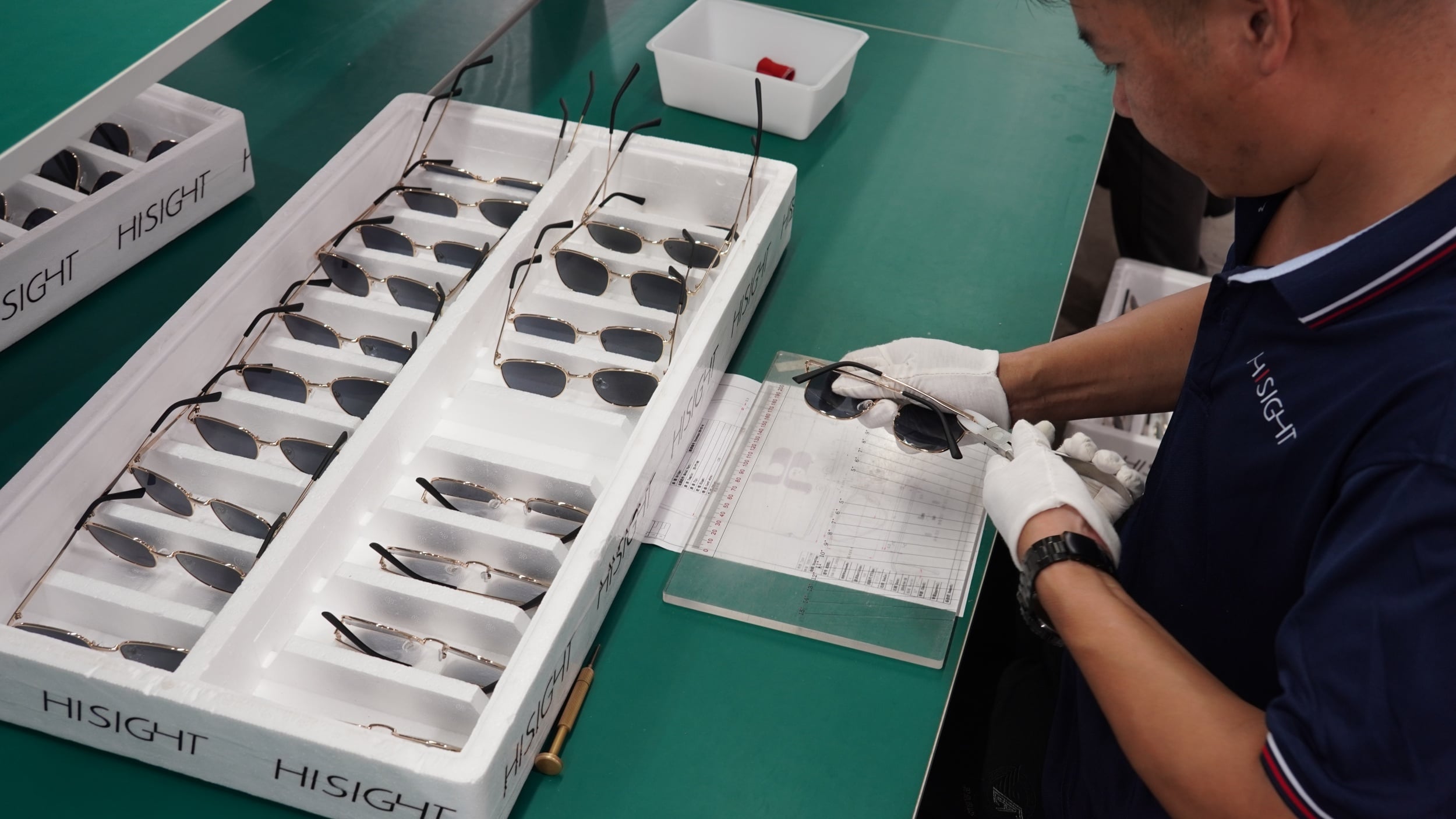
The production model you select will shape your entire business operation, from initial design iterations through final delivery. Domestic sunglasses manufacturer options offer proximity and direct oversight, while overseas facilities provide cost advantages and specialized capabilities. Each approach carries distinct trade-offs in communication, quality assurance, inventory management, and financial investment.
Production Cost Structure and Pricing Models
Domestic Manufacturing Economics
Domestic sunglasses factory operations typically operate under higher labor costs, stricter regulatory compliance standards, and elevated overhead expenses. These factors directly translate into higher per-unit pricing, which can range from 30 to 50 percent above overseas alternatives. A domestic facility may charge premium rates for custom orders, tooling, and small production runs because fixed operational costs are distributed across fewer units. However, this pricing model often includes integrated services such as rapid prototyping, design consultation, and expedited production timelines.
The cost structure of a domestic operation tends to be more transparent and negotiable. Direct communication with production managers allows buyers to understand exactly where costs originate and potentially optimize specifications to reduce expenses without compromising quality. For boutique brands, limited edition collections, or market-responsive product launches, the higher unit cost may be justified by faster turnaround and reduced inventory risk.
Overseas Manufacturing Economics
Overseas sunglasses factory models, particularly in Asia-Pacific regions, leverage significantly lower labor costs and established supply chains to deliver competitive pricing. Per-unit costs can be 40 to 60 percent lower than domestic equivalents, enabling higher profit margins or competitive retail pricing. A sunwear oem factory typically operates on volume-based economics, rewarding larger orders with progressive unit discounts. The savings accumulate through economies of scale, optimized material procurement, and streamlined production workflows perfected over years of high-volume manufacturing.
The trade-off in overseas pricing is typically a higher minimum order quantity and longer lead times. Initial tooling investments may also be steeper, though amortized across larger production batches. Currency fluctuations and transportation costs add variables that domestic sourcing avoids, but the fundamental cost advantage remains substantial for brands seeking mass-market positioning or high-margin wholesale distribution.
Quality Control and Production Oversight
Domestic Quality Assurance Practices
A domestic sunglasses manufacturer allows buyers to visit facilities, observe production in real time, and implement hands-on quality inspections. Physical proximity enables rapid problem-solving, immediate design modifications, and direct communication with quality engineers and production supervisors. This oversight model reduces the risk of specification drift and provides confidence that your exact requirements are being met throughout the manufacturing cycle.
Domestic facilities typically maintain tighter tolerances and are more responsive to custom requests or urgent design changes. For brands positioning themselves on craftsmanship, heritage manufacturing, or local sourcing narratives, partnering with a domestic sunglasses factory strengthens marketing authenticity and supply chain transparency. Quality documentation, material certifications, and traceability are typically more accessible and aligned with North American regulatory standards.
Overseas Quality Management Frameworks
Overseas sunglasses factory operations have evolved to implement robust quality management systems, ISO certifications, and third-party inspection protocols. A professional sunwear oem factory typically employs multiple inspection points throughout production: incoming material verification, in-process quality checkpoints, and final unit inspection before shipment. These systematic approaches can actually deliver consistent quality comparable to or exceeding domestic operations, provided the facility is mature and reputable.
The challenge with overseas quality control is distance and communication latency. Issues discovered during production may require email exchanges, time zone delays, and video conferencing rather than immediate on-site resolution. Buyers must establish clear quality standards upfront, utilize experienced inspection agents, and build contingency plans for defect scenarios. For established overseas partners with proven track records, this risk diminishes significantly, but it requires more structured communication protocols and documented specifications than domestic sourcing demands.
Lead Times, Flexibility, and Responsiveness
Domestic Production Timelines
Domestic sunglasses manufacturer operations typically deliver finished goods within 4 to 8 weeks from order confirmation, with expedited options available within 2 to 3 weeks for premium fees. This speed advantage is invaluable for fashion-driven eyewear lines, seasonal collections, or market-responsive brands that must react quickly to consumer trends. Small order quantities, custom finishes, and design iterations are accommodated more readily because the facility does not depend on high-volume throughput to remain profitable.
The ability to modify specifications mid-production or introduce last-minute changes is a significant flexibility advantage. A domestic sunglasses factory can adjust colorways, lens options, or hardware specifications without the formal change order delays typical of overseas partnerships. This agility allows brands to reduce inventory obsolescence risk and align product offerings more closely with actual market demand.
Overseas Production and Lead Time Considerations
Overseas sunglasses factory timelines typically range from 8 to 16 weeks depending on order complexity, production queue, and shipping logistics. Initial lead times may extend further if tooling or mold creation is required for custom designs. However, once production commences at scale, a sunwear oem factory can maintain consistent weekly delivery schedules, allowing predictable inventory replenishment and bulk fulfillment planning.
The longer overseas timeline necessitates accurate demand forecasting and earlier purchasing decisions. Brands must commit to production plans weeks or months in advance, limiting the ability to pivot toward unexpected market trends. For stable product lines, predictable seasonality, or bulk wholesale commitments, this constraint is manageable. For dynamic, trend-sensitive brands, the overseas model may create inventory risk or missed sales opportunities. Conversely, the lower cost per unit enables buyers to maintain higher safety stock buffers without proportional financial burden.
FAQ
What is the minimum order quantity typically required by a sunglasses manufacturer?
Domestic sunglasses factory operations often accept orders starting at 50 to 200 units, particularly for custom designs or small-run specialty collections. Overseas sunwear oem factories typically require minimum order quantities of 500 to 2,000 units depending on product complexity and customization level. Volume-based pricing structures incentivize larger orders, so buyers who can commit to 5,000 or more units per production run unlock the most competitive pricing from a sunglasses manufacturer.
How do communication differences affect overseas sunglasses factory partnerships?
Overseas sunglasses factory relationships require more structured communication protocols, detailed written specifications, and visual documentation compared to domestic sourcing. Time zone differences mean that questions may take 24 hours or longer to resolve, making real-time problem-solving difficult. However, professional sunwear oem factories typically employ dedicated account managers who speak English and maintain consistent communication schedules. Building strong relationships with overseas partners, using project management tools, and having a quality inspection agent on-site significantly mitigate communication risks.
Can a sunglasses manufacturer provide custom designs and proprietary specifications?
Both domestic and overseas sunglasses factory operations can accommodate custom designs, branded hardware, proprietary lens technology, and unique color combinations. However, custom specifications increase complexity and tooling costs. A domestic sunglasses manufacturer may absorb minor customization costs more readily due to lower volume thresholds, while an overseas sunwear oem factory typically charges separate tooling fees that decrease on a per-unit basis as order volume increases. Discussing intellectual property protection and design confidentiality agreements is essential regardless of manufacturer location.



