
 EN
Inconsistent Quality in Private Label Eyewear Programs: Prevention Strategies for Eyewear Brands
Discover 10 proven prevention strategies—from supplier audits to multi-stage QC—that protect your brand & margins.
Quality inconsistency represents one of the most persistent challenges facing eyewear brands that outsource production through private label eyewear programs. When manufacturers fail to maintain rigorous standards across batches, the result is damaged brand reputation, increased returns, customer dissatisfaction, and eroded profit margins. Understanding the root causes of quality fluctuations and implementing preventive strategies is essential for any brand leveraging private label eyewear manufacturing.
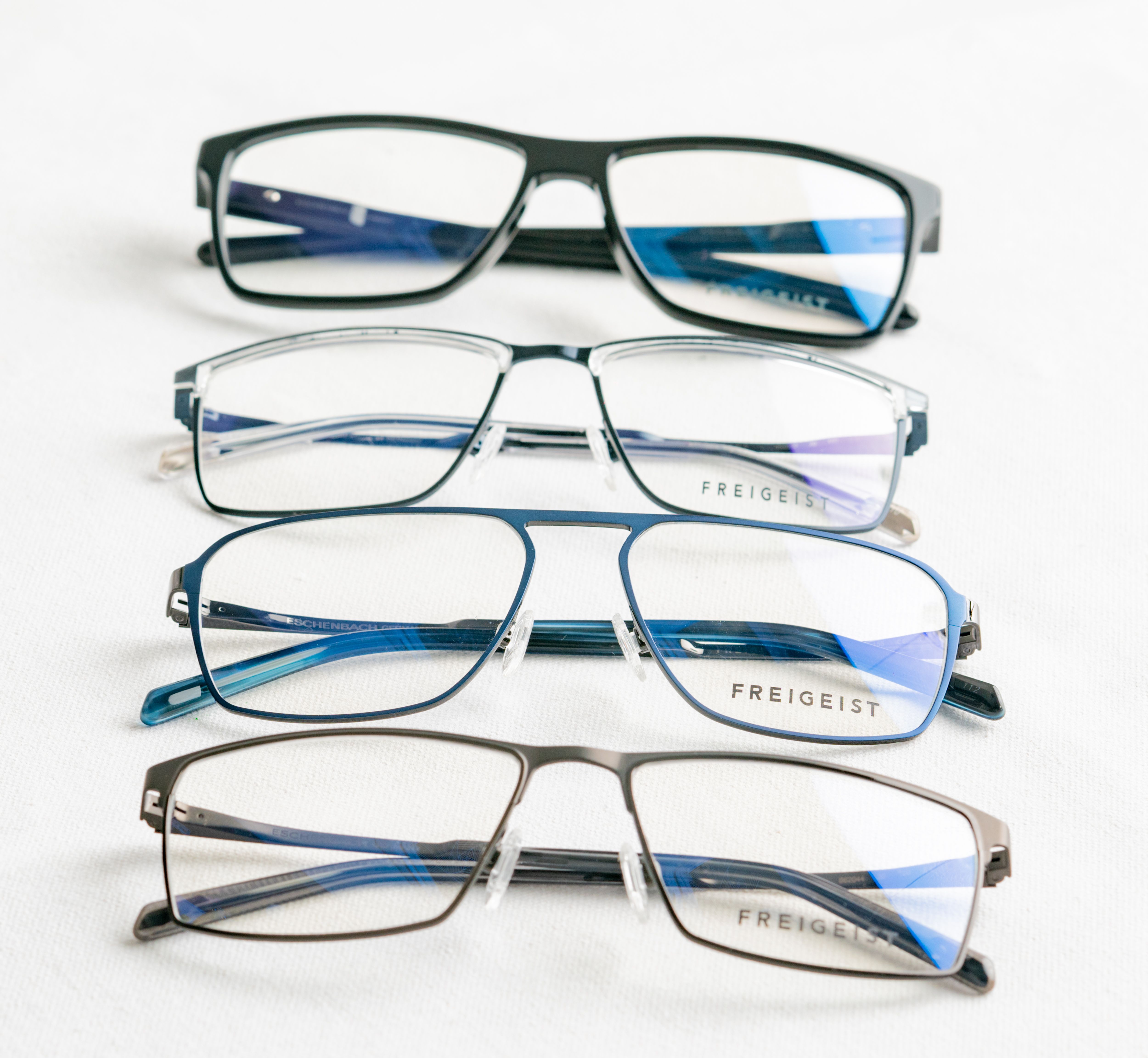
The complexity of eyewear production involves precise material sourcing, frame shaping, lens integration, and finishing processes. White label glasses manufacturing demands consistent execution across all these stages. Many brands discover too late that quality issues stem not from deliberate negligence but from gaps in communication, inadequate supplier oversight, and insufficient quality checkpoints. This article explores actionable prevention strategies that protect your brand through every phase of production.
Understanding Quality Variation in White Label Glasses Manufacturing
Common Sources of Quality Inconsistency
Quality problems in white label glasses production often originate from material variability, inconsistent craftsmanship, inadequate inspection protocols, and supply chain disruptions. Acetate frames may arrive with color variations or surface imperfections due to raw material inconsistency. Lens integration may suffer from dimensional misalignment or improper adhesion. Hinge mechanisms may not meet torque specifications consistently. These issues compound when manufacturers operate multiple production lines without synchronized quality standards. Understanding these specific failure points allows brands to design targeted prevention measures rather than apply generic quality oversight.
Impact on Brand Perception and Revenue
A single batch of defective eyewear odm products reaching retail channels creates cascading negative effects. Customers who receive substandard frames develop distrust and share negative experiences online, influencing potential buyers. Returns disrupt inventory planning, increase logistics costs, and consume resources better spent on growth. Moreover, correcting quality failures midway through production becomes exponentially more expensive than preventing them initially. Brand eyewear manufacturing success depends entirely on consistency, making quality assurance the most strategic business investment for any outsourced production program.
Establishing Supplier Qualification and Monitoring Systems
Pre-Production Supplier Assessment
Before engaging any manufacturer for white label glasses or eyewear odm services, brands must conduct comprehensive supplier audits. This includes verifying manufacturing certifications, inspecting production facilities in person, reviewing quality documentation from previous orders, and confirming financial stability. Request samples of recent production batches and evaluate them against your specifications. Establish a formal supplier scorecard that tracks defect rates, on-time delivery, responsiveness to issues, and continuous improvement initiatives. Only manufacturers demonstrating strong baseline capabilities should be selected for private label eyewear production. This initial vetting prevents costly problems later and establishes a foundation of accountability.
Ongoing Monitoring and Performance Metrics
Quality maintenance requires continuous monitoring rather than one-time qualification. Implement monthly or quarterly performance reviews with your eyewear odm partner using defined metrics such as defect rates per thousand units, response time to quality complaints, and compliance with agreed specifications. Create dashboards that track these indicators visually and identify trends before they escalate. Schedule regular facility visits to observe production processes directly and verify that documented procedures match actual practices. When performance slips, initiate formal corrective action plans with specific remediation steps and timelines. This proactive oversight demonstrates commitment to quality while giving manufacturers clear expectations and accountability.
Implementing Rigorous Quality Control Checkpoints
Multi-Stage Inspection Protocol
Effective brand eyewear manufacturing requires inspection at multiple production stages rather than final product testing alone. Implement incoming material inspection to verify that acetate sheets, metal components, lenses, and packaging meet dimensional and visual standards before production begins. Conduct in-process checks at critical points such as frame cutting, hinge assembly, lens fitting, and finish application. These intermediate inspections catch problems early when corrections are less costly. Final product inspection should remain rigorous, evaluating every unit or statistically significant samples depending on order volume. Document all inspection results and create traceability links between defects and production batches so problems can be corrected systematically rather than episodically.
Specification Documentation and Communication
Ambiguity in specifications creates the foundation for quality failure in private label eyewear programs. Provide manufacturers with detailed technical drawings, material samples, color references, and written specifications that define acceptable tolerance ranges for every dimension and feature. Include photographs showing acceptable and unacceptable examples. Specify acceptable defect types, maximum allowable defect rates, and required inspection methods. Create a shared quality glossary that ensures both parties interpret terms identically. When changes occur or customer feedback reveals new requirements, update specifications immediately and confirm manufacturer understanding in writing. This clarity eliminates the 'I assumed' excuse and places quality expectations front and center for every production run.
FAQ
What specific factors cause quality inconsistency in white label glasses manufacturing?
Quality inconsistency stems from material variability in raw inputs, fluctuating craftsmanship standards across production shifts, inconsistent application of finishing processes, inadequate inspection protocols, and insufficient communication between brands and manufacturers. When eyewear odm partners operate without synchronized quality systems across multiple production lines, defect rates rise unpredictably. Environmental factors such as humidity affecting acetate properties and worker fatigue during long shifts also contribute. The key is identifying which factors apply to your specific manufacturer and addressing them through targeted prevention strategies rather than assuming quality will remain constant without intervention.
How frequently should brands audit their private label eyewear suppliers?
Brands should conduct formal supplier audits for brand eyewear manufacturing at minimum quarterly, with in-depth facility visits annually or whenever significant order volume increases. Monthly performance reviews of quality metrics should occur regardless of audit schedules. For new manufacturing relationships or after quality issues, increase frequency to monthly facility visits until confidence is established. This frequency ensures problems are detected within 30 days rather than after entire batches reach customers. As trust builds and performance stabilizes, you may reduce frequency slightly, but consistency is essential because quality drift often occurs gradually and becomes invisible without regular oversight.
Can implementing quality control increase private label eyewear production costs?
Implementing rigorous quality control in private label eyewear programs does involve upfront investment in inspection equipment, documentation systems, and personnel training. However, these costs are typically far less than the expense of managing defects after production, handling returns, and recovering brand reputation. When quality problems reach customers, costs explode through logistics, customer service, potential refunds, and lost repeat business. Preventing defects through systematic white label glasses quality oversight represents one of the highest-return investments in eyewear odm partnerships. Many brands find that quality-driven cost increases pay for themselves within the first few months through reduced waste and improved customer retention.



