
 EN
Why Private Label Eyewear Launches Face Delays: Causes and Prevention in Manufacturing
Discover top causes—from tooling lead times to spec ambiguity—and proven prevention strategies. Optimize your ODM timeline now.
Launching a successful private label eyewear collection requires precise coordination across design, tooling, production, and quality control. Yet many brands experience significant delays that push market entry timelines back by weeks or months, disrupting revenue forecasts and competitive positioning. Understanding why these delays happen and how to prevent them is essential for anyone managing a brand eyewear manufacturing project. Delays in private label eyewear production stem from interconnected operational, technical, and communication challenges that amplify during the manufacturing cycle. Identifying these bottlenecks early allows manufacturers and brand partners to implement mitigation strategies that keep projects on track.
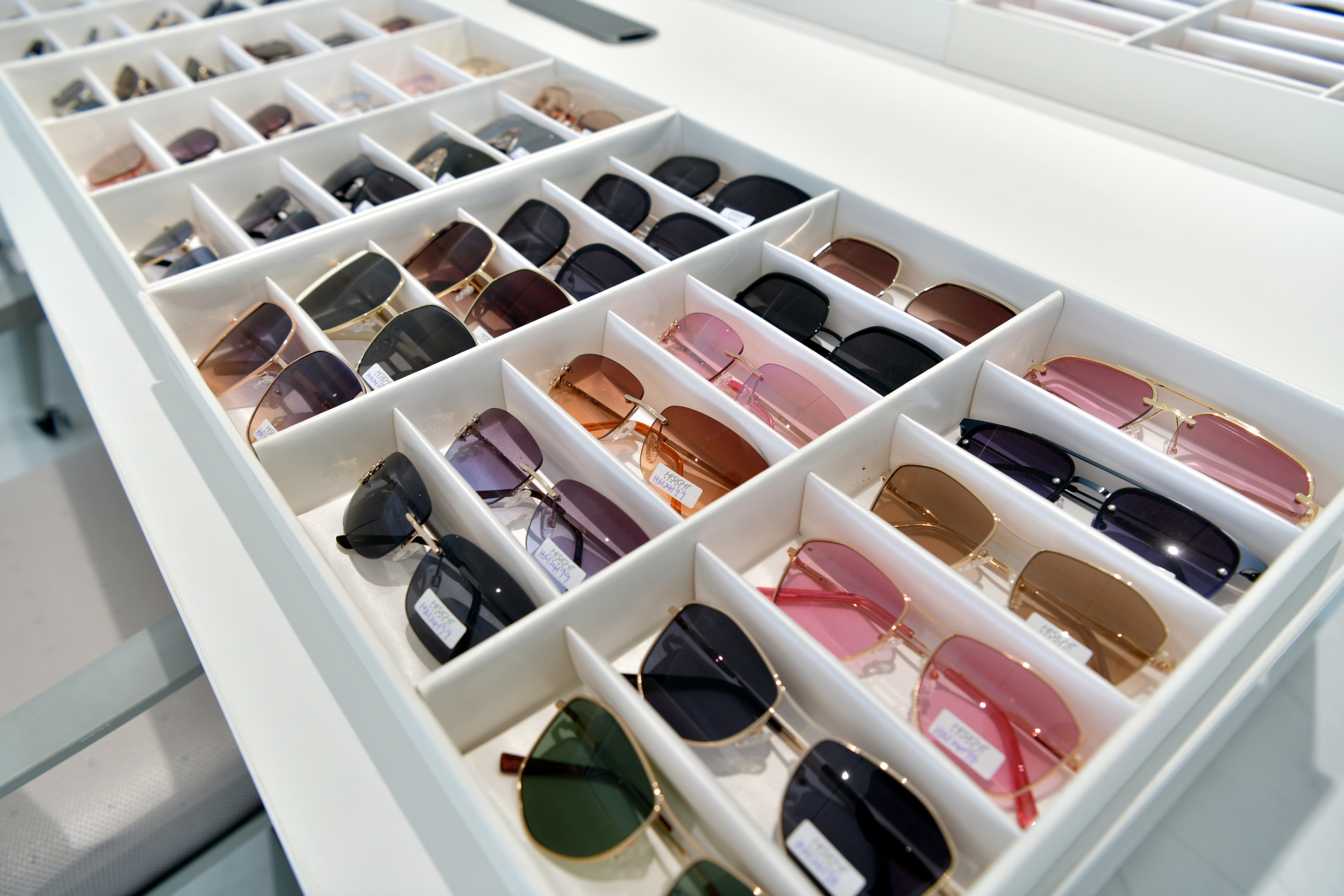
The eyewear manufacturing ecosystem is complex, involving material sourcing, lens fabrication, frame assembly, coating application, and final inspection. When any component supplier experiences delays, the entire production schedule contracts. For white label glasses projects, this complexity multiplies because multiple stakeholders including brand owners, design teams, factories, and logistics providers must operate in perfect synchronization. Delays rarely result from a single failure point; instead, they cascade from preventable process gaps, unclear specifications, or insufficient supply chain visibility. This article examines the primary causes of eyewear odm and brand eyewear manufacturing delays, then details actionable prevention strategies that reduce risk and accelerate time-to-market.
Common Operational and Supply Chain Causes
Material Procurement and Supplier Delays
Raw material sourcing remains one of the most frequent causes of delays in private label eyewear production. Acetate sheets, metal alloys, injection-molded polymers, and specialized lens blanks often require lead times of 4 to 8 weeks. When demand surges across the eyewear industry or when suppliers face their own capacity constraints, material availability shrinks. A shortage of a single component such as hinges or nose pads can halt an entire production run of white label glasses. Many brand owners underestimate how vulnerable their projects are to supplier disruptions. Establishing relationships with multiple qualified material suppliers and maintaining strategic inventory buffers reduces this risk significantly.
Inadequate Design and Specification Clarity
Vague or incomplete design specifications create recurring delays in eyewear odm partnerships. Brands may specify general aesthetic requirements without providing precise measurements, material grades, or finishing standards. When samples arrive, they do not match expectations, triggering revision cycles. Each revision demands new tooling adjustments, rework of components, or extended quality review periods. Clear, detailed technical specifications including dimensions, color codes, coating types, and assembly procedures prevent this costly rework loop. Brand eyewear manufacturing success depends on front-loaded clarity; ambiguity in the early design phase compounds into weeks of delays later. Documentation standards like CAD drawings, material specification sheets, and approved reference samples must be locked before production begins.
Technical and Manufacturing Challenges
Tooling and Mold Lead Times
Custom tooling is a critical bottleneck in white label glasses production, especially for injection-molded frames. Creating or modifying molds typically requires 6 to 12 weeks, depending on complexity. Design revisions after tooling has begun force remachining or replacement, adding substantial delays. Manufacturers experienced in private label eyewear projects front-load this phase by investing in prototype validation and design lock-off before committing to full tooling. Underestimating tooling lead time or changing designs mid-cycle are primary contributors to project overruns. Brands must understand that eyewear odm tooling is not flexible; modifications after mold commissioning are expensive and time-consuming.
Quality Control and Testing Bottlenecks
Rigorous quality control is non-negotiable for eyewear, but extended testing cycles can delay launch schedules. Frames must pass optical measurements, durability tests, and aesthetic inspections. Lens coatings require curing and adhesion verification. If samples fail initial testing, rework and re-testing extend timelines further. Many brands discover that their manufacturing partner's quality infrastructure is inadequate only after production begins. Selecting a brand eyewear manufacturing partner with accredited testing facilities and proven quality processes prevents this delay. Agreed quality benchmarks and test protocols must be established before production kickoff, not during manufacturing.
Coordination and Communication Failures
Misaligned Expectations and Process Transparency
Communication breakdowns between brand teams and manufacturers rank among the top delay culprits in private label eyewear projects. When product roadmaps, inventory requirements, or shipment logistics are not clearly communicated, production pace misaligns with actual demand. Time zone differences, language barriers, and inadequate project management systems compound these misalignments. Many delays stem not from manufacturing inability but from unclear timelines and decision delays on the brand side. Establishing a dedicated project manager, weekly status meetings, and transparent shared documentation platforms significantly reduces coordination friction. White label glasses projects benefit from manufacturers offering real-time production dashboards and milestone tracking so stakeholders can monitor progress transparently.
Logistics and Port Congestion
Even if manufacturing completes on schedule, eyewear odm shipments face unpredictable global logistics delays. Port congestion, customs documentation delays, and carrier schedule fluctuations can postpone delivery by weeks. Brands often blame manufacturers for late delivery when the actual cause is logistics outside their direct control. Proactive planning such as arranging expedited shipping or splitting shipments across multiple carriers mitigates this risk. Including contingency time in project timelines and maintaining communication with freight forwarders prevents surprises. Brand eyewear manufacturing success requires end-to-end supply chain visibility, not just factory-level monitoring.
FAQ
What are the most critical factors to control to prevent private label eyewear delays?
The most critical prevention factors include locking design specifications early, validating tooling before full production, establishing clear timelines with all suppliers, selecting manufacturers with proven white label glasses capability, and maintaining transparent communication throughout the project. Investing time in upfront planning and specification clarity prevents costly rework and revision cycles that multiply delays later in the manufacturing process.
How long should a typical private label eyewear project timeline include for contingencies?
A realistic private label eyewear project timeline should include 15 to 25 percent contingency buffer beyond baseline manufacturing and logistics time. This accounts for design revisions, testing rework, material delays, and unforeseen supplier issues. Brands eyewear manufacturing partners experienced with eyewear odm typically recommend a total project duration of 16 to 20 weeks from concept to delivery, depending on complexity and innovation level.
Why should brands work with eyewear odm manufacturers rather than multiple component suppliers?
Integrated eyewear odm and white label glasses manufacturers consolidate supply chain risk, ensure design-to-production alignment, and take accountability for on-time delivery. Managing multiple independent suppliers multiplies coordination points and increases delay probability. A single experienced brand eyewear manufacturing partner assumes responsibility for tooling, assembly, quality, and timely shipment, reducing complexity and communication overhead significantly.



