
 EN
Cutting Material Waste in Sustainable Eyewear Lines: Planning Considerations for Buyers and Brands
Discover data-backed strategies for bio acetate, supplier audits, and nesting optimization. Get actionable steps to cut waste to <8% and boost margins.
The eyewear industry generates substantial material waste during manufacturing, from acetate trim scraps to plastic offcuts and metal filings. For brands and buyers committed to building sustainable eyewear lines, understanding how to minimize waste at every stage is essential for both environmental impact and cost control. Material efficiency directly influences product margins, brand reputation, and regulatory compliance across global markets.
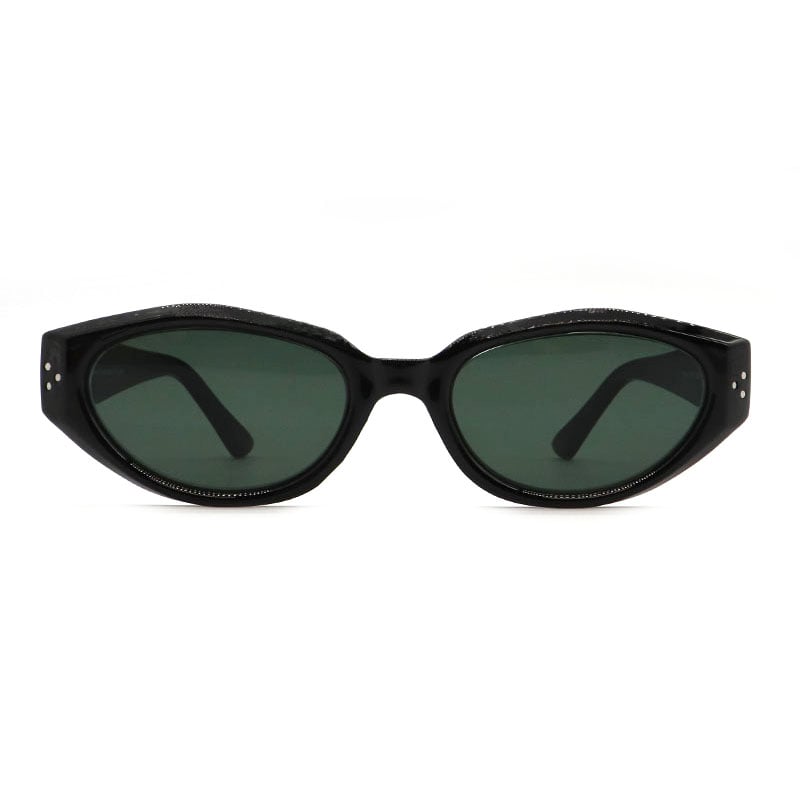
Cutting waste in sustainable eyewear production requires deliberate planning decisions before production begins. Buyers and brand managers must evaluate material sourcing, component design, manufacturing processes, and supply chain partnerships. By implementing strategic waste reduction practices early, organizations can achieve meaningful environmental goals while improving operational efficiency and maintaining competitive pricing in the eco friendly glasses market.
Material Selection and Supply Chain Strategy
Choosing Bio Acetate Eyewear and Recycled Materials
Bio acetate eyewear offers one of the most effective pathways to reduce virgin plastic consumption and minimize manufacturing waste. Bio acetate is derived from renewable cellulose sources such as wood pulp and cotton linters, making it inherently more sustainable than petroleum-based acetate. When sourcing bio acetate eyewear, buyers should specify suppliers who can document material origin, recycling certifications, and waste reduction processes within their facilities. Recycled sunglasses components represent another critical consideration, as reclaimed materials from previous production runs or post-consumer sources can significantly lower overall waste volumes.
Supply chain transparency is fundamental to waste reduction planning. Brands must establish clear agreements with manufacturers regarding offcut handling, scrap segregation, and material traceability. Many manufacturers of eco friendly glasses now operate closed-loop systems where acetate trimmings are reused in injection molding for smaller components or resold to secondary processors. By selecting suppliers with established recycling infrastructure, buyers ensure that material waste becomes a managed resource rather than a disposal liability.
Evaluating Supplier Capabilities and Certifications
Supplier selection is perhaps the most critical planning decision for sustainable eyewear brands. Leading manufacturers should hold certifications such as ISO 14001 (Environmental Management), FSC (Forest Stewardship Council) for wood-based materials, or GRS (Global Recycled Standard) for recycled content verification. When evaluating suppliers, request detailed waste audits, including acetate trim percentages, metal shavings recovery rates, and packaging waste breakdowns. A manufacturer producing bio acetate eyewear with 30 percent offcut waste is more transparent and manageable than one offering vague sustainability claims without data.
Brands should also assess whether suppliers have invested in waste-to-energy systems, material sorting facilities, or partnerships with recycling processors. Eco friendly glasses manufacturers that proactively address recycled sunglasses recovery demonstrate commitment beyond baseline compliance. Request copies of waste management contracts and facility certifications before committing to long-term partnerships, ensuring sustainable eyewear lines align with stated environmental standards.
Design Optimization and Manufacturing Efficiency
Streamlining Component Geometry to Minimize Trim Loss
Frame design directly influences material waste volumes during production. Traditional acetate frame cutting generates substantial trim, as manufacturers sheet-cut individual components from larger blanks. Bio acetate eyewear designers should collaborate with manufacturing engineers to optimize blank layouts, reducing the negative space between cut parts. Advanced nesting software allows manufacturers to increase part yield from each acetate blank, reducing waste by 8 to 15 percent compared to standard layouts. Brands committed to eco friendly glasses should require design-for-manufacturing reviews before prototyping, identifying opportunities to minimize offcuts early.
Thickness standardization also reduces waste in recycled sunglasses production. When frames are designed with uniform material thickness across all components, manufacturers can optimize blank sizes and reduce edge waste. Conversely, inconsistent thickness requirements force manufacturers to use oversized blanks to accommodate thicker sections, generating excess trim. Buyers planning sustainable eyewear lines should work with designers to balance aesthetic requirements with manufacturing efficiency, recognizing that thin, elegant designs sometimes require larger stock blanks and greater material loss.
Process Technology and Waste Recovery Systems
Modern manufacturing equipment significantly impacts waste reduction in eco friendly glasses production. CNC machining technology offers tighter tolerances and more efficient cutting patterns than traditional handwork, reducing scrap rates. Laser cutting systems for acetate frames enable precision geometry with minimal heat-affected zones, improving yields compared to mechanical saw cutting. When evaluating manufacturing partnerships for sustainable eyewear, inquire about equipment age, maintenance standards, and capability to run optimized nesting programs. Manufacturers investing in newer technology typically demonstrate lower waste percentages and more consistent product quality.
Waste recovery infrastructure within manufacturing facilities directly determines whether material loss becomes sustainable value or environmental burden. Leading bio acetate eyewear producers operate grinding systems that convert acetate trim into fine particles suitable for injection molding of hinges, nose pads, or component connectors. Recycled sunglasses manufacturers often partner with specialized processors who can convert metal shavings into secondary ingots for remelting. Brands should ask specific questions about what happens to off-spec parts, acetate dust, and metal filings to ensure waste streams are genuinely recycled rather than landfilled.
Supply Chain Management and Regulatory Compliance
Defining Waste Reduction Targets and Tracking Systems
Successful sustainable eyewear planning requires quantified waste reduction targets and ongoing measurement. Brands should establish baseline waste percentages during supplier qualification, then negotiate annual reduction commitments as part of supply agreements. For eco friendly glasses lines, reasonable targets include 5 percent annual waste reduction over three years, bringing total manufacturing waste below 8 percent of material input. These targets must be verified through monthly or quarterly audits, with data tracked transparently across production runs.
Tracking systems should distinguish between preventable waste (design errors, machine failures, operator mistakes) and inherent waste (necessary trim from geometric constraints). Bio acetate eyewear manufacturers using advanced tracking software can identify specific inefficiencies, from suboptimal nesting patterns to equipment maintenance issues causing excess scrap. Brands planning sustainable eyewear commitments should require suppliers to provide granular waste reporting, enabling continuous process improvement and demonstrating environmental progress to customers and regulators.
Regulatory Alignment and Market Differentiation
Regulatory frameworks governing eco friendly glasses are evolving rapidly across major markets, from the European Union's single-use plastics directives to California's extended producer responsibility laws. Buyers of sustainable eyewear must ensure manufacturing partners comply with waste disposal regulations in both production and destination markets. Many regions now require documented evidence that recycled sunglasses components are genuinely diverted from landfills, not merely claimed as recycled. Brands should review waste management contracts and processor certifications to verify compliance before marketing products as containing recycled content.
Material waste reduction also serves as powerful market differentiation for sustainable eyewear brands. Consumers increasingly demand transparency about production practices, and documented waste reduction creates competitive advantage alongside bio acetate eyewear claims. Brands that communicate specific waste percentages, supplier certifications, and material recovery programs build customer trust while justifying premium pricing. The convergence of regulatory requirements and market expectations means waste reduction planning is no longer optional for brands serious about sustainable eyewear positioning.
FAQ
What percentage of material waste is typical in eyewear manufacturing?
Conventional acetate frame production typically generates 15 to 25 percent material waste during cutting and finishing stages. Leading manufacturers of sustainable eyewear and eco friendly glasses, using optimized nesting and advanced equipment, can reduce waste to 8 to 12 percent. Manufacturers of bio acetate eyewear with closed-loop recycling systems may achieve even lower percentages by converting trim into secondary components. Waste percentages vary based on frame complexity, blank size standardization, and equipment efficiency.
How can brands verify that recycled sunglasses actually contain recycled content?
Verification requires third-party certification from organizations like GRS (Global Recycled Standard) or similar regional bodies that audit material inputs and production processes. Sustainable eyewear brands should request certificates of analysis from manufacturers documenting recycled material percentages, source material origins, and chain-of-custody records. Buyers should also visit manufacturing facilities to observe waste segregation and recycling processes firsthand. Requesting periodic testing of finished products can further confirm recycled content in eco friendly glasses components, particularly for recycled sunglasses marketed with specific recycled percentages.
What is the cost impact of waste reduction planning in sustainable eyewear lines?
Waste reduction typically requires upfront investment in design optimization, equipment upgrades, and supplier partnerships, potentially increasing per-unit production costs by 2 to 5 percent initially. However, bio acetate eyewear and recycled sunglasses can offset these costs through material credit recovery, reduced disposal fees, and improved manufacturing efficiency over time. Many sustainable eyewear brands recover initial investments within 12 to 24 months as waste percentages decline and manufacturing yields improve. Additionally, eco friendly glasses with documented waste reduction and certification typically command 10 to 20 percent price premiums in premium market segments, directly supporting margin recovery.



