
 EN
Delamination in Polarized Sunglasses Lenses Over Time: Prevention Strategies for Eyewear Brands
Discover material, manufacturing, and design strategies that cut delamination risk by 90%. Boost durability & customer trust.
Delamination in polarized sunglasses represents one of the most persistent durability challenges facing eyewear manufacturers and brands today. Over time, the multiple layers that comprise modern polarized lenses can separate from one another, creating optical distortion, hazy patches, and ultimately rendering the eyewear unusable. This degradation not only diminishes the protective benefits of polarized lenses but also damages brand reputation when customers experience premature product failure. Understanding the root causes of delamination and implementing robust prevention strategies is essential for any eyewear brand committed to delivering long-lasting quality.
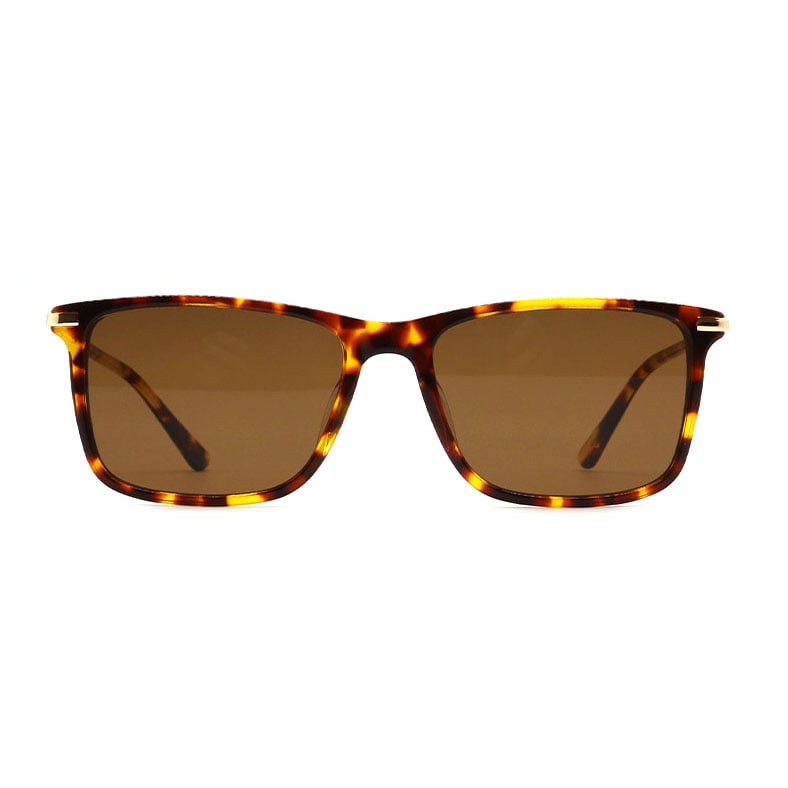
The structural integrity of polarized sunglasses depends on the careful bonding of specialized optical components. Polarized lenses consist of a polarizing filter embedded between protective layers, typically made from materials like TAC (triacetate cellulose) or polycarbonate. When adhesion between these layers weakens due to environmental stress, manufacturing defects, or material incompatibility, delamination begins. For eyewear brands seeking to maintain customer satisfaction and product reliability, addressing delamination prevention during design and manufacturing stages is crucial to competitive success.
Understanding Delamination in Polarized Lens Construction
The Layered Structure of Polarized Lenses
Polarized lenses are engineered with precision-bonded layers working in concert to deliver optical performance. The core polarizing filter, made from oriented polyvinyl alcohol (PVA) or similar materials, is sandwiched between protective substrates that shield it from impact and environmental degradation. TAC polarized materials are commonly used as outer layers because they offer excellent optical clarity, UV protection, and chemical resistance. When manufacturers source polarized sunglasses components from reliable suppliers and maintain strict quality control, the adhesive bonds between layers remain strong throughout the product lifecycle.
Why Delamination Occurs Over Time
Delamination develops when adhesive bonds deteriorate or never fully cure during manufacturing. Environmental factors including temperature fluctuations, humidity exposure, ultraviolet radiation, and mechanical stress all contribute to bond weakening. Poor quality adhesive selection, insufficient curing time, or contamination during the layering process can accelerate separation. Additionally, glare reduction sunglasses that experience rough handling, extreme heat exposure, or submersion in water face elevated delamination risk. Eyewear brands must recognize that delamination is not merely a cosmetic defect; it compromises the optical properties and protective functions that customers depend on.
Critical Prevention Strategies for Eyewear Manufacturers
Material Selection and Substrate Quality
The foundation of delamination prevention lies in selecting premium-grade materials with proven durability. Brands should prioritize TAC polarized substrates manufactured by established suppliers with stringent quality certifications. The adhesive systems used to bond layers must be specifically formulated for optical applications and tested for long-term stability across temperature and humidity ranges. Polarized lenses require adhesives that maintain elasticity and adhesion strength even when exposed to thermal cycling and UV radiation. Specification of materials based on performance data rather than cost alone ensures that structural integrity is maintained throughout the product lifecycle.
Manufacturing Process Control and Quality Assurance
Rigorous process control during lens bonding is essential to prevent delamination in polarized sunglasses. Manufacturers must maintain precise temperature profiles during adhesive curing, ensure complete contact between layers, and eliminate air pockets that weaken bonds. Quality assurance protocols should include optical inspection before and after layering, adhesion strength testing, and accelerated aging trials that simulate years of environmental exposure. Eyewear brands that implement statistical process control and conduct regular audits of bonding equipment achieve dramatically lower delamination rates. Environmental conditions in the manufacturing facility—including humidity control and dust elimination—directly impact adhesive performance.
Design Considerations and Edge Protection
Thoughtful lens design reduces stress concentration at layer boundaries where delamination initiates. Beveling and edging processes must be performed after bonding is complete to avoid introducing micro-fractures into adhesive joints. The mechanical mounting system should distribute clamping forces evenly across the lens to prevent localized stress that triggers peeling. Glare reduction sunglasses benefit from designs that minimize sharp edges and corners, which tend to accumulate moisture and thermal stress. Additionally, protective coatings applied over bonded layers can seal micro-cracks and inhibit water penetration, further extending product life.
Long-Term Durability and Customer Satisfaction
Environmental Resistance Testing Protocols
Brands serious about preventing delamination implement comprehensive durability testing before products reach market. Accelerated weathering tests expose polarized lenses to extreme temperature swings, high humidity, salt spray, and intense UV radiation to simulate years of use in months. These tests reveal design and manufacturing weaknesses that can be corrected before production scales. Polarized sunglasses that pass rigorous environmental testing demonstrate superior resistance to delamination and build consumer confidence. Regular testing of production batches ensures that manufacturing consistency is maintained and that material supply changes do not introduce new delamination risks.
Warranty Programs and Customer Communication
Transparent warranty policies that address delamination demonstrate brand commitment to quality and build customer trust. Eyewear brands should clearly communicate the expected lifespan of polarized sunglasses and the environmental conditions that may accelerate wear. Providing guidance on proper care—avoiding extreme heat, protecting from impact, and cleaning gently—helps customers extend product life. When delamination does occur, responsive warranty service and product replacement protect brand reputation and generate valuable feedback about potential manufacturing improvements. TAC polarized products that include detailed care instructions show lower delamination claims than those lacking guidance.
FAQ
What causes delamination in polarized sunglasses lenses?
Delamination occurs when adhesive bonds between the layers of polarized lenses weaken due to temperature fluctuations, moisture exposure, UV radiation, manufacturing defects, or poor adhesive selection. Environmental stress combined with inadequate curing or material incompatibility accelerates layer separation, compromising optical clarity and glare reduction effectiveness.
Can delamination in polarized lenses be repaired?
Unfortunately, delamination in polarized sunglasses cannot be reliably repaired once it has progressed. The structural damage and optical distortion created by layer separation require complete lens replacement. Prevention through quality manufacturing and proper material selection is far more cost-effective than attempting repair or managing customer returns.
How long do quality polarized lenses typically last before delamination risk increases?
Well-manufactured polarized lenses with TAC substrates and premium adhesives typically maintain structural integrity for five to ten years under normal use. However, exposure to extreme temperatures, intense sunlight, or physical damage can accelerate delamination timelines. Eyewear brands that invest in superior materials and quality control achieve longer product lifespans and significantly reduce delamination-related warranty claims.



