
 EN
Polarization Film Bubbles in Polarized Sunglasses Lenses: Prevention and Quality Control
Discover root causes, vacuum lamination best practices, and AI-powered QC methods that cut bubble defects by 90%.
Polarization film bubbles represent one of the most persistent quality challenges in modern eyewear manufacturing. When microscopic air pockets form between the polarized lens layers, they compromise optical clarity, reduce durability, and ultimately diminish the glare reduction sunglasses performance that consumers expect. Understanding the root causes of these bubbles and implementing rigorous quality control protocols is essential for any manufacturer committed to delivering premium polarized sunglasses that meet professional and consumer standards.
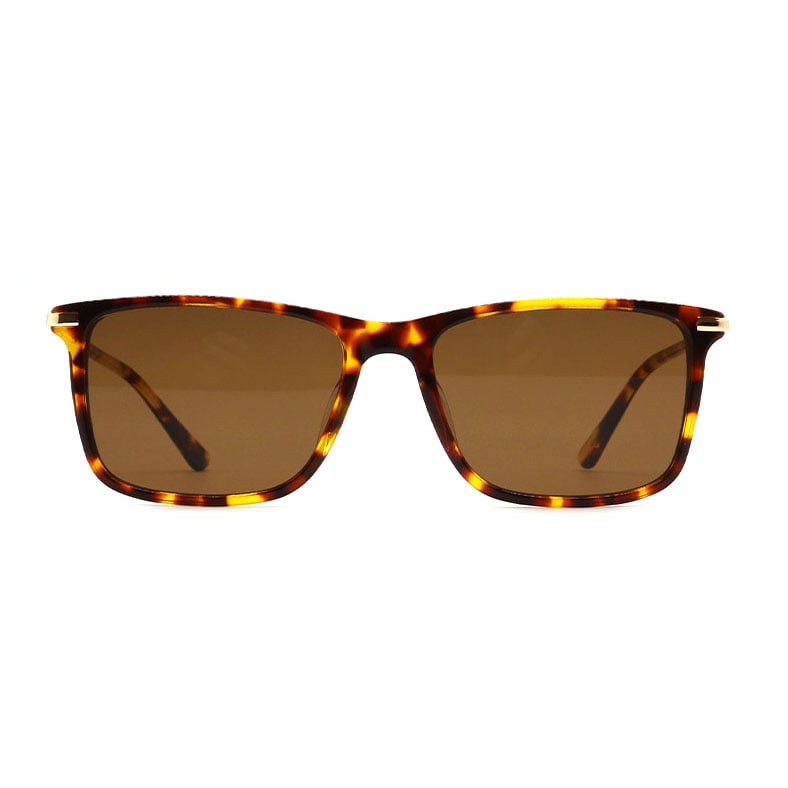
The challenge of preventing polarization film bubbles stems from the complex lamination process used in TAC polarized lens production. When polarizing film layers bond to acetate or other substrate materials, trapped air or moisture can create visible defects that expand under temperature and humidity variations. These defects not only diminish visual appeal but also signal underlying adhesion failures that may lead to delamination, scratching, and premature lens degradation. Effective prevention requires understanding the manufacturing variables that cause bubble formation and establishing measurement and inspection systems that catch defects before products reach customers.
Understanding Polarization Film Bubble Formation
The Root Causes of Bubble Defects
Polarization film bubbles emerge during the lamination stage when polarized lenses are pressed together with substrate materials. Several specific factors trigger bubble formation. Inadequate cleaning of lens surfaces before lamination leaves residual dust, oils, or moisture that prevents complete adhesion. When the polarized lenses contact the substrate with gaps or contaminants between layers, air becomes trapped. Temperature fluctuations during the curing process can also cause material expansion and contraction, creating pockets where air becomes trapped or where premature bonding failures occur. In TAC polarized lens manufacturing, the acetate substrate's porosity and the polarizing film's flexibility create additional complexity, as air pressure variations during lamination can force air deeper into microscopic surface imperfections.
How Moisture and Environmental Factors Accelerate Bubble Growth
Once initial bubble nucleation occurs, environmental exposure accelerates visible defect formation. Humidity ingress into the bubble chamber allows moisture to accumulate, increasing internal pressure. Temperature cycling causes the entrapped air to expand and contract, pushing the film outward and enlarging the visible bubble. In glare reduction sunglasses designed for outdoor use, daily exposure to temperature swings between morning and afternoon heat intensifies this expansion cycle. High-humidity storage conditions before products leave the factory further compromise adhesion integrity. Manufacturers using lower-quality polarized lenses or insufficient adhesive layers face exponentially faster bubble degradation because air has more pathways to migrate through the laminate structure.
Prevention Strategies in Manufacturing
Surface Preparation and Pre-Lamination Protocols
Preventing bubbles begins with meticulous surface preparation. All lens surfaces must undergo multi-stage cleaning using controlled-environment wash systems that remove dust, oils, and residual moisture. Ultrasonic cleaning followed by air-knife drying or vacuum drying ensures surface purity before lamination. Polarized sunglasses manufacturers using advanced TAC polarized technology implement plasma or corona surface treatments to improve wettability and adhesion. These treatments create micro-roughness that enhances chemical bonding between the polarizing film and substrate. Pre-lamination storage must occur in humidity-controlled chambers maintained at 45–55 percent relative humidity. Any lens held in higher-humidity environments absorbs moisture that will degas during heating, creating bubble nucleation sites within the laminate structure.
Optimizing Lamination Parameters and Equipment
The lamination process itself demands precise parameter control to prevent air entrapment. Pressure, temperature, and timing must be calibrated specifically for the polarized lenses and adhesive combination being used. Graduated pressure application—starting low and gradually increasing—allows air to escape before complete bond formation occurs. Many manufacturers of polarized lenses employ vacuum lamination, where the lamination chamber is evacuated to near-zero atmospheric pressure before heating and pressing. This approach dramatically reduces oxygen availability for bubble nucleation. Temperature ramps must be slow enough to allow adhesive flow and air escape, typically requiring 30–45 minute cycles rather than rapid heating. TAC polarized lens formulations with optimized adhesive thickness reduce air pathways. Manufacturers should use adhesives specifically engineered for polarizing film bonding, as general-purpose laminates lack the chemical compatibility and degassing characteristics needed for glare reduction sunglasses.
Quality Control Systems and Inspection Methods
In-Process Monitoring and Testing Protocols
Quality control systems must integrate multiple inspection stages rather than relying solely on final visual inspection. Immediately after lamination and cooling, lenses undergo automated visual scanning under controlled lighting to detect bubble defects. Polarized sunglasses manufacturers using computer vision systems can identify bubbles as small as 0.5 millimeters, capturing defects that manual inspection misses. Cross-polarization testing provides additional sensitivity—when polarized lenses are inspected with crossed polarizers, adhesion failures and bubble regions appear as dark spots that would be invisible under normal viewing. Pressure differential testing, where laminated lenses are subjected to controlled humidity cycling, accelerates bubble growth and reveals weak adhesion zones before products ship. Statistical process control charts must track bubble frequency, size distribution, and location patterns to identify when equipment calibration or material batches are drifting out of specification.
Post-Manufacturing Durability Verification
Beyond in-process testing, accelerated aging protocols simulate real-world conditions that cause delayed bubble formation. Polarized lenses selected for testing undergo thermal cycling between 50°C and 10°C for 50–100 cycles, mimicking seasonal temperature swings and daily outdoor exposure patterns. Humidity chamber storage at 85 percent relative humidity and 60°C for 72–168 hours reveals adhesion weaknesses that normal storage conditions might miss. Products must also undergo mechanical stress testing—flexing, dropping, and impact resistance—because weak laminate bonds fail catastrophically when glare reduction sunglasses experience physical stress. TAC polarized samples should be tested for delamination resistance, where sample edges are stressed to measure how readily the polarized lenses separate from the substrate. Any lenses failing durability testing trigger root-cause investigation and process correction before full-scale production resumes. Documentation systems must track all quality metrics, linking bubble defect frequencies to specific production batches, adhesive lots, and lamination equipment for full traceability.
FAQ
What causes visible bubbles to form inside polarized sunglasses lenses?
Visible bubbles form when air or moisture becomes trapped between polarized lenses and substrate layers during lamination. Surface contamination, inadequate adhesive application, rapid temperature changes, and humidity absorption all contribute to bubble nucleation. Once formed, thermal cycling and moisture ingress cause these air pockets to expand, making them visible defects that degrade optical quality.
How can manufacturers prevent polarization film bubbles during production?
Prevention requires multi-stage control: rigorous surface cleaning before lamination, controlled humidity storage, optimized lamination pressure and temperature profiles, and vacuum lamination where feasible. Using high-quality polarized lenses with appropriate adhesives specifically formulated for polarizing film bonding significantly reduces bubble formation. Graduated pressure application and slow temperature ramping allow trapped air to escape before bonding is complete.
What quality control methods detect polarization film bubbles most effectively?
Automated visual inspection with computer vision systems detects bubbles down to 0.5 millimeters immediately after lamination. Cross-polarization testing makes adhesion failures and bubble regions visible through optical measurement. Accelerated thermal and humidity cycling testing reveals weak bonds before products ship. Mechanical stress testing and delamination resistance measurement verify durability under real-world conditions.



