
 EN
Common Mistakes When Testing Polarized Sunglasses Lens Efficiency: Practical Quality Control Steps
Avoid costly QC errors with proven polarimeter, lighting, and durability protocols.
Testing the efficiency of polarized sunglasses requires more than casual visual inspection. Manufacturers and quality control specialists often overlook critical evaluation steps that distinguish genuine high-performance polarized lenses from inferior alternatives. Understanding the common mistakes in lens testing ensures that your polarized sunglasses deliver the glare reduction and visual clarity customers expect.
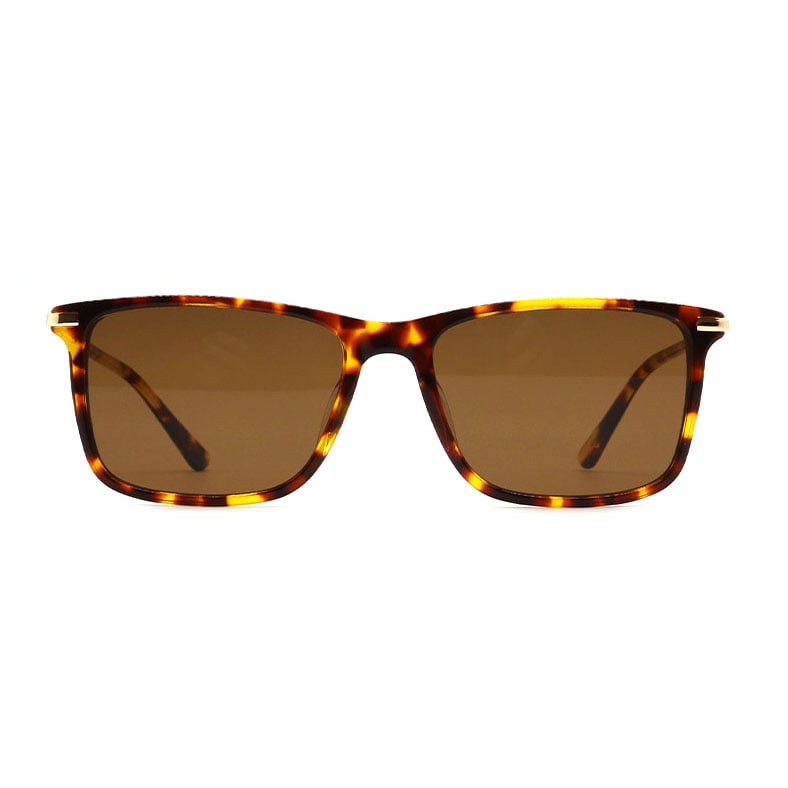
Proper quality control testing of polarized lenses protects both manufacturer reputation and end-user satisfaction. This article walks through the practical testing procedures that separate rigorous quality assurance from rushed evaluations, highlighting the specific mistakes that compromise lens performance validation.
Understanding Polarized Lens Fundamentals
What Makes Polarized Lenses Work
Polarized lenses contain a special chemical coating that blocks horizontal light waves—the primary cause of water, road, and snow glare. Unlike standard sunglasses that simply reduce brightness uniformly, polarized lenses selectively filter reflected light. This selective filtering is what enables true glare reduction sunglasses to outperform basic tinted alternatives. The molecular alignment of the polarizing filter determines how effectively the lenses perform.
Why Testing Standards Matter
Quality control testing validates that each lens batch meets polarization specifications and durability standards. TAC (triacetyl cellulose) polarized lens production must be monitored closely because manufacturing variables—coating thickness, molecular alignment, and curing conditions—directly impact glare reduction performance. Without structured testing protocols, defective lenses enter the supply chain and damage brand credibility. Rigorous quality control ensures polarized lenses consistently deliver the glare reduction performance customers rely on.
Common Testing Mistakes and Their Impact
Skipping the Polarimeter Test
The most critical error in polarized sunglasses evaluation is relying solely on visual inspection instead of using a polarimeter device. A polarimeter objectively measures the polarization axis, transmission rate, and haze level of polarized lenses—data that human eyes cannot reliably assess. Many quality control teams assume that if a lens blocks glare subjectively, it must be adequate. This assumption creates gaps in detection of marginal lenses that appear functional but fail under specific lighting conditions. Polarimeter testing is non-negotiable for accurate validation of polarized lenses.
Ignoring Wavelength and Light Source Variables
Testing polarized sunglasses performance under only one light source introduces blind spots. Different light wavelengths—including ultraviolet, visible spectrum, and infrared—interact differently with polarizing films. TAC polarized lenses must be evaluated under natural sunlight, artificial fluorescent light, and LCD screen light to ensure comprehensive glare reduction performance across real-world conditions. Many QC failures occur because lenses tested under controlled lab lighting perform poorly in variable outdoor environments.
Neglecting Durability and Degradation Checks
Polarized lenses degrade over time due to UV exposure, temperature fluctuations, and mechanical stress. A common mistake is testing only freshly manufactured lenses without simulating accelerated aging. TAC polarized lens coatings can lose effectiveness after extended UV exposure or thermal cycling. Quality control must include salt spray testing, humidity chamber exposure, and mechanical abrasion assessments to verify that polarized lenses maintain their glare reduction capability throughout their intended lifespan.
Practical Quality Control Testing Steps
Establishing a Multi-Method Testing Protocol
Effective quality control of polarized sunglasses combines multiple measurement techniques into a single comprehensive protocol. Start with polarimeter testing to measure transmission percentage, haze, and polarization axis alignment. Follow with visual inspection under standardized lighting conditions in a darkened room with controlled light angles. Include spectrophotometer analysis to measure light absorption across the visible spectrum. This layered approach catches defects that single-method testing might miss, ensuring polarized lenses consistently deliver the glare reduction performance specified.
Implementing Controlled Lighting Standards
Testing environments must maintain consistent, calibrated lighting conditions to ensure reproducible results. Use light sources at standardized angles—45 degrees and 90 degrees relative to the lens surface—to simulate both direct and reflected glare conditions. Document ambient light levels in lux and color temperature in Kelvin to establish baseline measurement conditions. This standardization allows meaningful comparison between lens batches and helps identify drift in polarized lens production quality over time.
Recording Comprehensive Test Data
Documentation is often overlooked but essential for tracking polarized lenses performance trends and identifying process issues early. Record polarimetry readings including transmittance percentage, polarization efficiency, and haze values for every lens batch. Track measurements from accelerated aging tests to establish degradation curves for TAC polarized materials. Maintain records of visual inspection notes, including any observable defects in coating uniformity or optical clarity. This data trail supports continuous improvement and provides evidence of quality control rigor.
Validating Against Customer Use Conditions
Testing polarized sunglasses in a laboratory environment differs from real-world performance. Quality control should simulate end-user scenarios: dashboard reflections, water surface glare, snow glare, and LCD screen interference. Test lenses worn at typical angles on frames to account for lens curvature effects on polarization efficiency. Conduct field testing with actual customer feedback to identify gaps between laboratory results and perceived performance. This validation step ensures that polarized lenses tested as acceptable actually deliver the glare reduction users expect.
FAQ
What percentage polarization efficiency should polarized lenses achieve?
High-quality polarized lenses should achieve polarization efficiency of 98 percent or higher, meaning they transmit polarized light effectively while blocking perpendicular light waves. Lower efficiency results in reduced glare reduction performance. Acceptable polarized lenses typically maintain transmittance between 40 and 50 percent—high enough for practical use but low enough to provide meaningful UV and visible light protection. Both metrics should be verified during quality control testing of polarized sunglasses to ensure they meet industry standards.
How does TAC polarized lens material differ from other polarizing films?
TAC polarized lenses offer superior durability, UV stability, and optical clarity compared to alternative polarizing materials. TAC material resists degradation from moisture and temperature extremes, making it ideal for lenses exposed to harsh conditions. The molecular structure of TAC supports consistent glare reduction performance over extended use periods. Polarized lenses manufactured with TAC maintain their effectiveness longer than lower-cost polarizing films, justifying the higher production cost through extended product lifespan and customer satisfaction.
Can LCD screens or digital dashboards interfere with polarized lenses?
Yes, polarized lenses can create interference patterns when viewing LCD screens, digital dashboards, or other electronically generated displays. This occurs because LCD light is already polarized at specific angles, and polarized lenses viewing at opposite angles can cause dark spots or complete image washout. Quality control testing must simulate this scenario to warn customers and ensure realistic expectations. Testing polarized sunglasses against typical vehicle dashboard displays and smartphone screens identifies potential usability issues before products reach the market.



