
 EN
Polarization Efficiency Ratings in Polarized Sunglasses Lenses: Manufacturing Considerations for OEM/ODM Projects
Discover how TAC materials, lamination control, and testing ensure ≥95% glare reduction. Download manufacturing best practices.
Polarized sunglasses have become essential eyewear for professionals working outdoors, drivers navigating bright highways, and anyone seeking reliable protection from intense glare. Understanding polarization efficiency ratings is critical for OEM and ODM manufacturers who want to deliver superior optical quality and meet market expectations. The efficiency of polarized lenses determines how effectively they block harmful reflected light, reduce visual strain, and enhance color contrast in challenging environments.
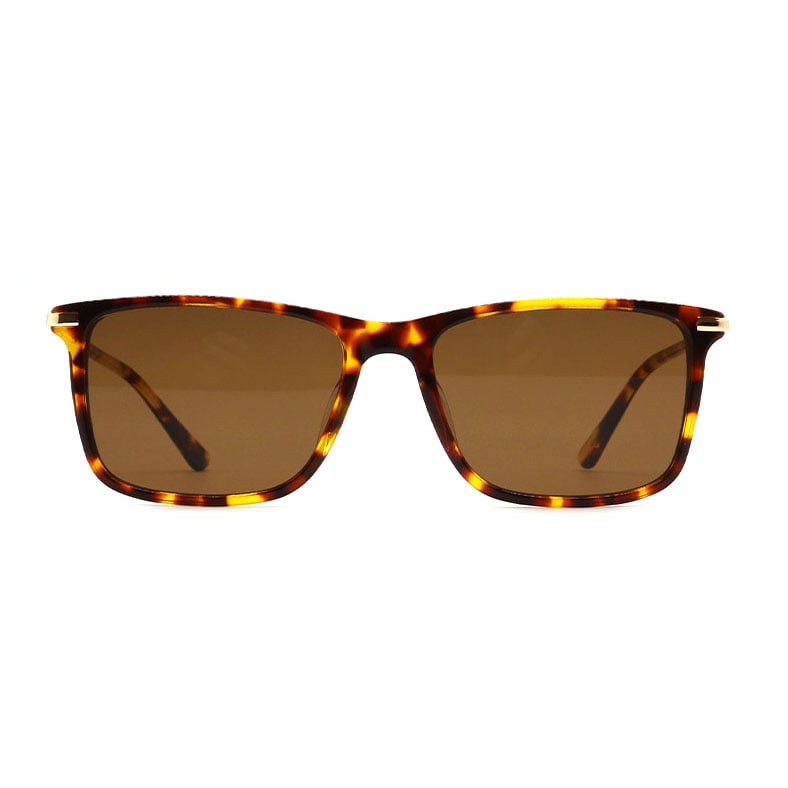
Manufacturing polarized lenses requires precision engineering, quality material selection, and strict adherence to optical standards. For OEM and ODM projects, understanding how polarization works at the molecular level and how efficiency ratings translate into real-world performance is fundamental to competitive advantage. This guide explores the manufacturing considerations that ensure your polarized lenses deliver consistent, measurable glare reduction sunglasses performance.
Understanding Polarization Efficiency and Lens Performance
The Science Behind Polarized Lenses
Polarized lenses work by filtering light waves that vibrate in multiple directions, allowing only vertically oriented light to pass through. When sunlight reflects off water, snow, or asphalt, it becomes horizontally polarized and creates intense glare. A polarized sunglasses lens contains a chemical laminate that acts as a molecular filter, blocking this reflected light while transmitting direct sunlight safely. The efficiency rating measures how effectively this filtration occurs across different light wavelengths and angles of incidence.
Manufacturing efficiency depends on the consistency of the polarizing compound distribution, the precision of layer alignment, and the stability of the chemical composition during production. Minor variations in coating thickness or molecular orientation can significantly reduce efficiency ratings. For OEM manufacturers, maintaining polarization efficiency above 95 percent ensures customers receive genuine glare reduction benefits and satisfaction with the polarized lenses they purchase.
Measuring and Testing Efficiency
Polarization efficiency is measured using standardized optical testing equipment that quantifies how much glare-producing light is actually blocked. The testing involves measuring light transmittance at various angles and comparing performance against industry benchmarks. Laboratories typically test both visible light transmission and UV protection simultaneously, as these factors are interdependent in quality polarized lenses. The resulting efficiency rating serves as a quality assurance metric that manufacturers communicate to distributors and end users.
OEM and ODM manufacturers must establish in-house testing capabilities or partner with accredited laboratories to verify efficiency ratings before shipping products. Regular testing prevents quality drift and helps identify manufacturing process improvements. When polarization efficiency ratings fall below specifications, it often signals equipment calibration issues, raw material inconsistencies, or contamination during production that requires immediate corrective action.
TAC Polarized Lens Manufacturing and Quality Standards
TAC Material Selection and Production Process
Triactate cellulose, commonly abbreviated as TAC polarized material, is the industry standard for producing high-quality polarized lenses. TAC offers superior optical clarity, excellent impact resistance, and reliable compatibility with polarizing compounds compared to other materials. During manufacturing, raw TAC sheets are laminated with polarizing filters using adhesive layers that must be precisely controlled to maintain uniform thickness and prevent air bubbles or delamination. The polarizing compound is embedded within the TAC structure through a multi-step process that requires careful temperature management and drying protocols.
OEM manufacturers using TAC polarized production must maintain strict environmental controls in the lamination facility, including humidity and temperature ranges that prevent moisture absorption or thermal distortion. The adhesive used between layers must cure completely and uniformly, as incomplete curing compromises both optical quality and lens durability. Quality control checkpoints throughout the production cycle help ensure that every polarized lenses batch meets efficiency specifications and customer expectations.
Integration with Frame Assembly
Once polarized lenses reach the assembly stage, ODM manufacturers must ensure that lens cutting, edge finishing, and frame fitting do not compromise the polarization efficiency achieved during optical manufacturing. The cutting process generates heat and stress that can potentially affect the polarizing layer if not performed with appropriate tools and speeds. Proper handling procedures, controlled cutting speeds, and regular tool maintenance prevent lens damage and preserve the optical integrity of the finished polarized sunglasses.
Frame alignment and lens centering directly impact how customers perceive glare reduction sunglasses performance in real-world use. Misaligned lenses can create zones where polarization effectiveness varies, leading to inconsistent glare reduction across the visual field. OEM and ODM teams must develop standard operating procedures for frame assembly that include lens alignment verification and optical testing of completed eyewear before packaging and shipment.
Managing Manufacturing Variability and Consistency
Process Control and Raw Material Standards
Polarization efficiency ratings depend heavily on raw material consistency and precise process parameters throughout manufacturing. Sourcing high-grade TAC material from certified suppliers and establishing receiving inspection protocols prevents defects from entering production. The polarizing compound itself must meet strict chemical purity standards, as impurities or chemical degradation reduce efficiency and can cause optical distortion. OEM manufacturers should require certificates of analysis from chemical suppliers and conduct periodic independent testing to verify specifications.
Temperature control during the lamination process is critical because extreme heat can damage the polarizing compound or cause adhesive curing issues. Conversely, insufficient heat prevents proper adhesion between layers, creating weak points that delaminate over time. Humidity management prevents moisture absorption into the TAC matrix, which alters the refractive index and reduces optical clarity. Statistical process control charts help manufacturing teams identify trends in efficiency ratings and take corrective action before products fall out of specification.
Quality Assurance and Corrective Action Systems
Implementing a robust quality assurance system ensures that polarized sunglasses and polarized lenses consistently meet efficiency specifications. Testing plans should include incoming material inspection, in-process monitoring at critical stages, and final product validation before release. When efficiency ratings fall below targets, OEM and ODM teams must document the issue, investigate root causes, and implement permanent corrective actions rather than temporary adjustments. This systematic approach builds customer confidence and reduces warranty claims related to reduced glare reduction sunglasses performance.
Training manufacturing staff on proper handling techniques, equipment operation, and quality standards is essential for sustained performance. Regular audits of production procedures and equipment maintenance schedules help identify and prevent process drifts that compromise polarization efficiency. Documentation of all testing results and corrective actions creates a quality history that demonstrates commitment to consistent, high-efficiency polarized lenses for discerning customers.
FAQ
What efficiency rating should OEM manufacturers target for quality polarized sunglasses?
OEM manufacturers should target polarization efficiency ratings of 95 percent or higher to ensure genuine glare reduction and customer satisfaction. Industry standards typically require minimum 90 percent efficiency, but leading manufacturers consistently exceed this benchmark. Higher efficiency ratings distinguish premium polarized lenses in the market and justify premium pricing strategies for quality-conscious customers who depend on reliable glare protection.
How does TAC material contribute to polarized lenses durability and efficiency?
TAC provides excellent optical clarity, impact resistance, and chemical stability that protect the embedded polarizing compound from degradation. The material's dimensional stability prevents optical distortion over time, ensuring that polarization efficiency remains consistent throughout the product lifespan. TAC also offers superior scratch resistance compared to alternative materials, which helps preserve the optical surface and maintain the quality of glare reduction sunglasses performance in daily use.
What manufacturing defects most commonly reduce polarization efficiency in polarized lenses?
Common defects include uneven polarizing compound distribution, air bubbles or delamination between layers, improper adhesive curing, and contamination during production. Thickness variations in the polarizing layer directly reduce efficiency, as does incomplete lamination that creates weak adhesion. Temperature or humidity excursions during manufacturing can also compromise the chemical composition of the polarizing compound, leading to reduced glare reduction sunglasses performance. Regular testing and process monitoring help manufacturers identify and eliminate these defects before products reach customers.



