
 EN
Delivery Delays With a Sunglasses Supplier During Peak Season: Causes and Corrective Actions
Discover root causes—capacity, logistics, forecasting—and proven corrective actions to protect your supply chain. Act now.
Delivery delays from a sunglasses supplier during peak season can disrupt your entire supply chain and hurt customer satisfaction. Peak season typically runs from spring through early fall when demand for eyewear surges, creating bottlenecks at manufacturing facilities and in logistics networks. Understanding the root causes of these delays and implementing corrective actions is essential for retailers, distributors, and brand owners who depend on timely inventory replenishment.
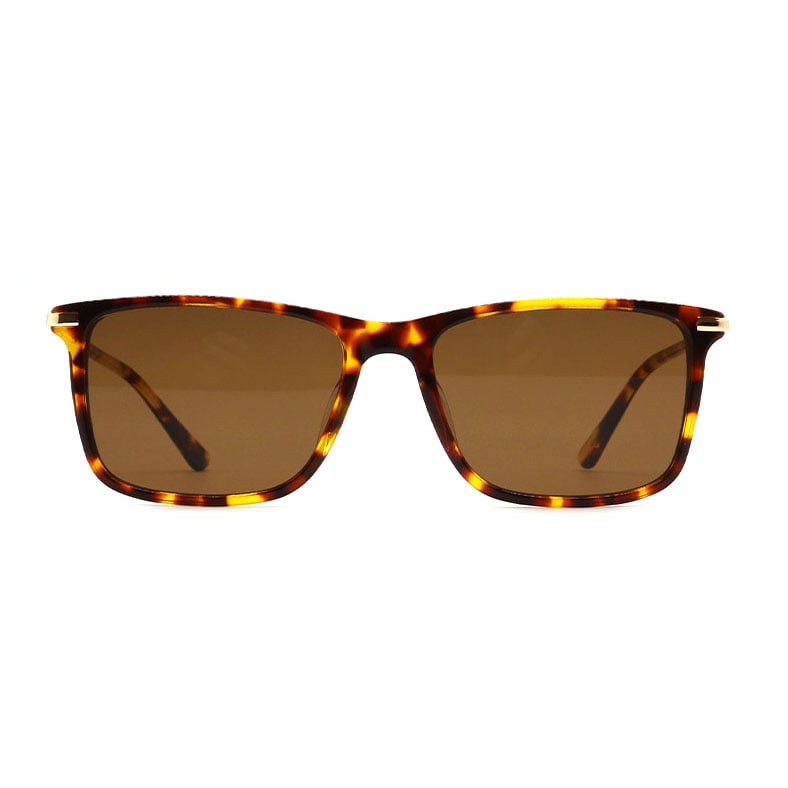
When working with a Sunglasses Supplier, you must recognize that delays are not always avoidable, but they are often manageable with proper planning and communication. The eyewear industry faces unique seasonal pressures that compress production timelines and strain inventory reserves. By identifying what causes delays and which corrective actions work best, you can protect your business continuity and maintain customer trust.
Common Causes of Peak Season Delivery Delays
Manufacturing Capacity Constraints
Most sunglasses vendors operate facilities with fixed production capacity. During peak season, demand often exceeds available line capacity, forcing manufacturers to prioritize larger orders or long-standing clients. A sunglasses wholesale operation that typically handles moderate volume may struggle to scale production without hiring temporary workers, securing additional equipment, or extending shift hours. These adaptations take time and increase costs, which some suppliers absorb while others pass to buyers through surcharges or extended lead times.
Raw material sourcing also constrains capacity. Quality acetate sheets, metal components, lenses, and hardware must be procured in advance. If an eyewear sourcing manager underestimates demand or if suppliers of raw materials themselves face delays, the sunglasses vendor cannot accelerate production beyond material availability. This cascading constraint often goes unnoticed until orders are already backlogged.
Logistics and Shipping Bottlenecks
Even when a sunglasses vendor completes manufacturing on schedule, logistics delays can prevent timely delivery. Peak season aligns with high shipping volumes across all industries, causing port congestion, carrier capacity shortages, and longer transit times. International freight routes often experience delays of two to four weeks during summer months when container availability tightens. Domestic shipping networks also become congested, particularly for final-mile delivery in urban areas.
Customs clearance and import documentation also introduce delays when eyewear sourcing crosses borders. If paperwork is incomplete or product classifications are disputed, goods can sit in customs longer than expected. A sunglasses wholesale shipment stuck in port for even a few days can cascade into retail stockouts.
Demand Forecasting and Planning Failures
Seasonal Demand Spikes
Sunglasses vendors often struggle to predict exactly how much demand will spike in April, May, and June. Factors like weather patterns, fashion trends, and consumer sentiment vary year to year. If a sunglasses supplier underestimates the spike, they quickly deplete inventory and face extended lead times for new orders. Conversely, if they overestimate, they carry excess inventory and cash flow suffers, discouraging them from investing in flexibility.
An eyewear sourcing professional who fails to communicate forecasts to their sunglasses vendor early enough compounds this problem. Vendors need visibility into customer demand four to six months in advance to secure raw materials and schedule production. Last-minute order increases or surprises trigger reactive scrambles that often result in delays.
Inadequate Buffer Stock
Some sunglasses wholesale distributors maintain insufficient safety stock, believing that just-in-time inventory minimizes costs. During peak season, this strategy backfires. When demand accelerates unexpectedly or a sunglasses vendor misses a shipment, there is no buffer to fulfill customer orders. The retail chain or brand owner then faces stockouts, forcing them to place urgent reorders that push suppliers to the front of the queue at the expense of other customers.
Corrective Actions and Mitigation Strategies
Early Collaboration and Demand Sharing
The most effective corrective action is establishing transparent demand forecasts with your sunglasses vendor months before peak season. Provide rolling 12-month forecasts that update quarterly, so suppliers understand expected volume trends and can plan production accordingly. A sunglasses supplier with accurate visibility can secure raw materials, schedule labor, and allocate machine time proactively. Many eyewear sourcing teams that implement this practice report 15 to 25 percent reduction in lead time variability.
Engage your sunglasses vendor as a true partner, not just a transactional supplier. Share information about retail promotions, seasonal adjustments, and market changes that will influence demand. When vendors know the reasoning behind order patterns, they can suggest production efficiencies and offer flexible solutions when constraints arise.
Tiered Inventory and Safety Stock Strategy
Implement a tiered inventory approach that builds safety stock in advance of peak season. This means placing orders with your sunglasses vendor in February and March so that inventory arrives before demand surges in April. Holding extra stock for three months costs less than missing sales or paying expedited freight in May. A sunglasses wholesale strategy that maintains 20 to 30 percent buffer stock for top-selling styles absorbs unexpected demand spikes without emergency reorders.
Diversified Sourcing and Backup Vendors
Relying on a single sunglasses vendor creates risk. Establish relationships with two or three suppliers who can handle your peak season volume. When one sunglasses vendor experiences constraints, you can shift overflow orders to a backup supplier. This approach also creates healthy competition that incentivizes each vendor to perform reliably. An eyewear sourcing team with multiple vendors can often secure better terms and faster responses during crises.
Flexible Order Timing and Split Shipments
Work with your sunglasses vendor to split large orders into two or three shipments across different dates. Instead of requesting 5,000 units in one delivery, request 1,500 units in April, 2,000 in May, and 1,500 in June. This reduces strain on the vendor's production and logistics while ensuring steady inventory flow. A sunglasses supplier managing smaller, frequent orders faces fewer bottlenecks than one handling massive orders that compete for limited resources.
Communication and Transparency Protocols
Establish clear communication protocols with your sunglasses vendor regarding lead times, expected delays, and contingency plans. Many eyewear sourcing professionals benefit from weekly check-ins during peak season to confirm shipment status and adjust plans if needed. When delays are inevitable, early notification allows you to manage customer expectations and activate backup inventory or alternative products.
FAQ
What is the typical peak season for sunglasses vendors?
Peak season for most sunglasses vendors runs from late March through August, with the highest demand in April through June. This period corresponds to spring and summer weather when consumers purchase eyewear for outdoor activities. A sunglasses supplier's production capacity is most strained during this window, making it the highest-risk period for delivery delays.
How far in advance should I place orders with a sunglasses vendor?
For peak season orders, eyewear sourcing professionals should place orders four to six months in advance. This gives your sunglasses vendor time to procure raw materials, schedule production, and build inventory. Orders placed fewer than eight weeks before the desired delivery date are at higher risk for delays. A sunglasses wholesale buyer who plans ahead can negotiate shorter lead times and more reliable delivery windows.
Can expedited shipping resolve delays from a sunglasses supplier?
Expedited shipping can address logistics delays but cannot fix manufacturing delays. If your sunglasses vendor has not yet produced your order, paying for faster transportation does not help. Expedited freight is also expensive, reducing profit margins. The best solution is preventing delays through early planning, accurate forecasting, and collaboration with your sunglasses vendor to ensure production starts on time.



