
 EN
Why Sunglasses Supplier Samples Pass but Bulk Orders Fail Inspection: Causes and Prevention in Manufacturing
Discover 3 root causes—material drift, process variability, weak inspection—and proven prevention strategies. Secure your eyewear sourcing now.
When a sunglasses supplier delivers sample units that pass all quality checks with flying colors, buyers often feel confident placing large bulk orders. Yet weeks later, the bulk shipment arrives with defects that seem impossible given the pristine sample performance. This scenario is frustratingly common in eyewear sourcing, leaving manufacturers and distributors scrambling to understand what went wrong. The disconnect between sample quality and bulk production quality represents one of the most persistent challenges in the eyewear industry, affecting cost control, timeline integrity, and supply chain trust.
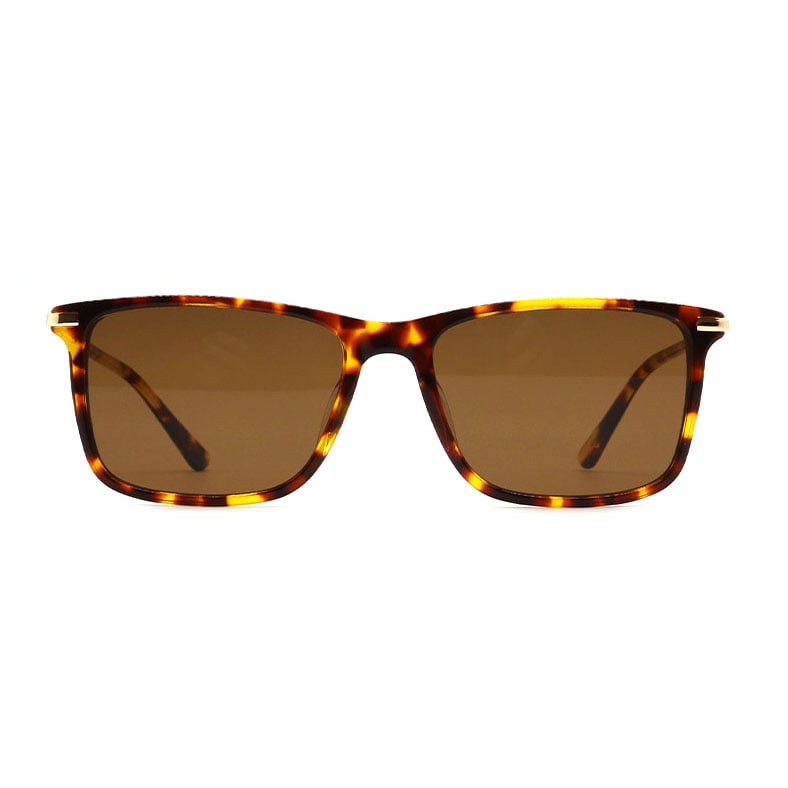
The root cause of this quality collapse lies not in malice but in operational realities. A sunglasses vendor producing samples operates under fundamentally different constraints than one scaling to mass production. Understanding these differences is critical for any buyer working with a sunglasses supplier, whether sourcing for retail, wholesale distribution, or private label manufacturing. This article explores why samples pass while bulk orders fail, identifies the structural and process gaps that enable quality divergence, and provides actionable prevention strategies to protect your eyewear sourcing investments.
Why Sample Quality Differs from Bulk Production
The Hand-Crafted Sample Phenomenon
When a sunglasses supplier creates samples, they typically assign their most experienced personnel to the task. Sample production is low-volume, allowing meticulous attention to detail that bulk manufacturing simply cannot replicate. Each component is inspected individually, and defects are caught and corrected before samples leave the facility. The lens insertion, frame assembly, and finishing processes all receive elevated scrutiny. A sunglasses vendor knows samples represent their reputation and directly influence order decisions, so quality becomes the singular focus. This manual precision works beautifully for small quantities but becomes economically infeasible at scale.
Resource Allocation in Bulk Manufacturing
When bulk orders move into production, staffing models shift dramatically. The same sunglasses supplier must now deploy less experienced assembly workers across multiple production lines to meet volume targets and delivery timelines. Quality inspection transitions from thorough individual examination to statistical sampling and visual spot-checks. Pressure to meet output quotas can inadvertently push inspectors to overlook marginal defects that sample-stage reviewers would have flagged immediately. Material batches that passed incoming quality checks may still contain subtle variations that only become apparent during high-speed bulk assembly. This structural shift in eyewear sourcing is not unique to any single vendor; it reflects inherent scaling challenges across the manufacturing industry.
Root Causes of Quality Degradation During Scaling
Material Consistency and Supply Chain Gaps
Eyewear sourcing requires consistent raw materials, yet bulk orders often draw from multiple material suppliers or different production batches than those used for samples. A sunglasses vendor might source acetate frames from Supplier A for samples, but during bulk production, capacity constraints force them to use Supplier B or a different batch from the same supplier. Lens coatings, polarization consistency, and frame pigmentation all show subtle batch-to-batch variation. The sunglasses supplier may not formally compare material specifications between sample and bulk phases, assuming 'approved supplier' designation ensures uniformity. These material inconsistencies accumulate through the production pipeline, and by final inspection, defect rates spike compared to the immaculate sample batches that preceded them.
Process Variability and Equipment Drift
Production equipment operates within tolerance ranges, and over time, machinery calibration drifts. A sunglasses supplier running sample production may perform equipment recalibration before creating samples, ensuring optimal lens insertion pressure, frame heating angles, and coating spray parameters. However, during high-volume bulk manufacturing, recalibration happens less frequently due to production scheduling pressures. Lens insertion angles drift slightly, causing misalignment. Lens coatings become uneven. Hinge tension varies frame to frame. Each deviation is small individually, but collectively they create a bulk shipment with visibly higher defect rates than the sample run. A sunglasses vendor focused on throughput may not recognize these drift patterns until bulk inspection reveals them.
Inspection Protocol Weakening
For samples, a sunglasses supplier typically implements 100% inspection or near-total review of every unit. During bulk production, this becomes economically unviable, so inspection shifts to automated systems or statistical sampling of a small percentage of units. Automated vision systems may miss defects that human inspectors would catch, particularly those involving subtle color mismatches, micro-scratches on lenses, or minor frame warping. If an automated system is poorly calibrated or the sampling rate is too low, defective units slip through. A sunglasses vendor may have implemented the inspection protocol consistently, but the protocol itself was never designed to match the rigorous sample-stage review, creating a built-in quality divergence.
Eyewear Sourcing Prevention Strategies and Best Practices
Pre-Production Supplier Audits and Commitments
Before placing bulk orders with a sunglasses supplier, conduct a detailed audit of their production facilities, quality systems, and material sourcing procedures. Require your sunglasses vendor to provide written commitments specifying which material suppliers, equipment configurations, and inspection protocols will be used for your bulk order. Explicitly state that bulk production must match the material sources and process parameters demonstrated in sample production. Many eyewear sourcing agreements fail because they assume the vendor will maintain sample-stage quality without formally documenting the conditions that enabled it. Amend your purchase agreements to include clauses that allow inspection rights during production phases, giving you visibility into whether the process is aligning with sample conditions.
Progressive Order Sizing and Trial Runs
Rather than jumping directly from samples to full-volume orders, implement a staggered approach. After sample approval, request a trial production run at 25 to 50 percent of your target bulk volume. A sunglasses supplier can still deploy semi-manual processes and elevated inspection at this intermediate scale without sacrificing profitability. Inspect this trial batch thoroughly, and if quality metrics match sample performance, proceed to full-volume orders. If defects emerge, your sunglasses vendor has concrete data showing which process adjustments are needed before you commit to maximum volume. This trial-run strategy, common in advanced eyewear sourcing practices, significantly reduces the risk of full-scale quality collapse.
Inspection Standards That Bridge Sample and Bulk Phases
Define a detailed inspection specification document that will apply to both sample and bulk phases. Rather than assuming your sunglasses supplier knows which defects are acceptable, specify acceptable defect types, permissible defect sizes, and inspection methodologies in writing. Include photographic examples of acceptable and unacceptable quality levels. Require your sunglasses vendor to maintain identical inspection checklists for all phases. This standardization prevents the informal quality threshold drift that often occurs between sample and bulk production. Many sunglasses wholesale buyers do not invest in this documentation, assuming industry standards are universally understood. The resulting quality gaps are entirely preventable through explicit specification.
FAQ
Why does sample inspection quality not predict bulk production outcomes?
Samples are produced under fundamentally different operational conditions than bulk orders. A sunglasses supplier assigns top-tier personnel to samples, conducts 100% inspection, and may use hand-assembly techniques that cannot scale economically. Bulk production relies on faster assembly methods, automation, and statistical sampling, inherently introducing quality variance. Material sources, equipment calibration, and inspection rigor all differ between phases unless explicitly standardized. Without documented process alignment, a sunglasses vendor will naturally optimize samples for appearance while optimizing bulk production for cost and speed.
What role does material consistency play in bulk order defects?
Material consistency is critical. A sunglasses supplier may source acetate frames from one supplier for samples but switch to a secondary supplier for bulk orders due to capacity constraints. Lens coatings, pigmentation, and polarization performance can vary significantly between batches and suppliers. Your sunglasses vendor should provide certificates of analysis and batch numbers for all materials used in samples, then contractually commit to using identical suppliers for bulk production. Without this control, eyewear sourcing remains vulnerable to material-induced defect spikes that would have been entirely preventable.
How can buyers verify that bulk production will match sample quality?
Implement progressive order sizing, start with trial runs representing 25 to 50 percent of your intended volume, and conduct thorough inspection of trial batches before committing to full-volume orders. Require your sunglasses vendor to undergo pre-production audits documenting the exact materials, equipment, and personnel to be used. Establish written inspection protocols that apply to both sample and bulk phases, complete with photographic examples of acceptable quality. Include production-phase inspection rights in your purchase agreement. These steps transform eyewear sourcing from a leap of faith into a verified, data-driven process where sample quality actually predicts bulk performance.



