
 EN
Lens Fogging in Sports Eyewear During High-Intensity Activity: Prevention Strategies for Eyewear Brands
Discover science-backed anti-fog coatings, ventilation design & material tech that boost clarity and athlete trust. Optimize your next launch now.
Lens fogging remains one of the most persistent challenges facing athletes and eyewear brands. When moisture condenses on lenses during high-intensity activity, clarity vanishes instantly, compromising safety and performance. Whether an athlete is sprinting uphill, transitioning between climate zones, or pushing through humidity, sports eyewear fogging disrupts the competitive experience. Understanding the root causes and proven prevention strategies is essential for brands developing next-generation athletic glasses that athletes trust.
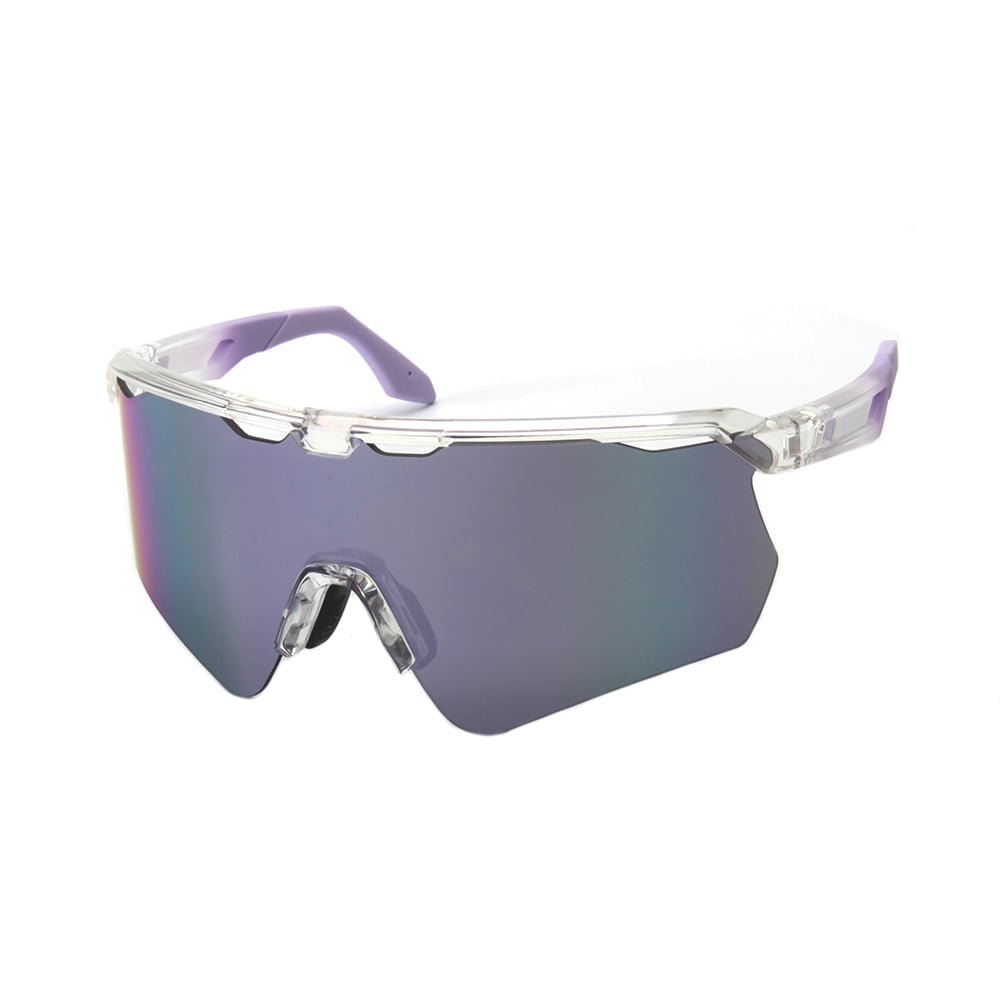
Fogging occurs when warm, moisture-laden air from an athlete's face contacts cool lens surfaces. The temperature differential causes water vapor to condense into tiny droplets that scatter light, reducing visibility. This phenomenon intensifies during high-intensity workouts, altitude transitions, or when athletes move between indoor and outdoor environments. Performance eyewear must address this challenge through advanced coatings, strategic ventilation design, and material selection that minimizes thermal stress on lenses.
Understanding the Science Behind Lens Fogging
Temperature and Humidity Dynamics
Athletic glasses experience extreme temperature fluctuations during sports. When an athlete wears sports glasses in cool weather while generating body heat, the lens temperature remains significantly lower than the surrounding warm, humid air exhaled from the nose and mouth. This creates the perfect conditions for condensation. The rate of fogging depends on the lens material, ambient humidity, exercise intensity, and the temperature gradient between the lens and the micro-environment immediately around the eyewear.
High-intensity activity generates substantial moisture output from respiration and perspiration. Performance eyewear must contend with moisture levels that far exceed normal daily conditions. Athletes training indoors in humid gyms, running in cool mornings, or participating in water sports face particularly acute fogging issues. Understanding these dynamics helps brands engineer athletic glasses that maintain optical clarity under the most demanding conditions.
Material and Surface Properties
The lens material itself significantly influences fogging tendency. Polycarbonate and trivex plastics, common in sports eyewear, have different thermal properties than glass, affecting how quickly they reach ambient temperature and how readily condensation forms. The lens surface finish also matters tremendously. Rough or untreated surfaces allow moisture to settle more easily, while specially treated performance eyewear surfaces can encourage water to bead and roll away rather than pool as fog.
Advanced Prevention Strategies for Athletic Glasses
Anti-Fog Coatings and Treatments
Professional anti-fog coatings represent the first line of defense in modern sports glasses. These hydrophilic treatments reduce surface tension, causing water droplets to spread into an extremely thin, nearly invisible layer rather than forming discrete fog-inducing droplets. Quality anti-fog coatings on athletic glasses remain effective for extended periods, typically lasting one to two years with proper care. The coating works by making the lens surface water-loving, so moisture glides across rather than adhering in clumps.
Brands developing performance eyewear often apply multi-layer anti-fog systems that combine hydrophilic coatings with additional protective layers. These advanced treatments maintain their effectiveness even during intense sweating and environmental stress. Sports eyewear incorporating nano-technology based anti-fog solutions demonstrates superior durability compared to older formulations. Athletes should note that proper cleaning and maintenance preserve coating integrity far longer than careless handling or abrasive wiping.
Ventilation and Airflow Design
Strategic ventilation design fundamentally addresses fogging at its source by reducing the humidity level within the eyewear chamber. Performance eyewear engineered with ventilation ports, mesh panels, or open-frame designs allows ambient air circulation that prevents moisture accumulation. High-quality athletic glasses incorporate vents positioned to maximize airflow without compromising optical protection or creating wind resistance during movement.
The most effective sports eyewear ventilation systems balance competing objectives: preventing fogging while maintaining optical clarity, structural integrity, and aerodynamic efficiency. Some premium performance eyewear features adjustable ventilation components that athletes can modify based on conditions. Wide-set or frameless designs naturally provide superior ventilation compared to tightly sealed athletic glasses, making this a key design consideration for brands targeting high-intensity sports applications.
Material and Lens Technology
Lens material selection directly impacts thermal conductivity and fogging resistance. Polycarbonate lenses heat more rapidly than glass, reducing the temperature differential that drives condensation. High-performance sports eyewear manufacturers increasingly specify materials optimized for thermal stability. Trivex and related materials offer excellent optical properties while maintaining moderate thermal characteristics that resist fogging better than traditional options.
Additionally, some athletic glasses incorporate passive heating mechanisms or materials that absorb and disperse warmth, equalizing lens temperature with the immediate surroundings. Advanced sports eyewear may feature slightly curved designs that position lenses slightly further from the face, allowing better air circulation. Some premium performance eyewear even uses double-lens technology with air gaps that provide insulation against temperature differentials while maintaining optical clarity.
Practical Implementation for Eyewear Brands
Multi-Strategy Integration
The most effective athletic glasses combine multiple anti-fogging approaches rather than relying on a single strategy. Top-tier sports eyewear integrates superior anti-fog coatings, strategic ventilation, appropriate lens materials, and ergonomic design that naturally minimizes the microenvironment moisture buildup. Brands developing next-generation performance eyewear should test formulations across diverse conditions representing actual athlete usage: indoor training, outdoor running, temperature transitions, and high-humidity environments.
Testing and validation remain critical for sports eyewear manufacturers. Real-world performance testing with athletes across multiple sports provides invaluable feedback on fogging resistance under genuine conditions. Performance eyewear that performs well in laboratory testing sometimes underperforms in actual high-intensity activity, underscoring the importance of athlete-centered validation. Brands should establish internal standards for acceptable fogging levels and systematically optimize designs against these benchmarks.
Consumer Education and Maintenance
Even the best sports eyewear and performance eyewear requires proper maintenance to sustain anti-fog effectiveness. Eyewear brands should provide clear guidance on cleaning methods that preserve anti-fog coatings. Gentle washing with warm soapy water and soft cloths extends coating life far longer than aggressive wiping with shirt sleeves or rough towels. Storing athletic glasses in protective cases rather than loose in gym bags prevents premature coating degradation.
Brands selling premium sports eyewear often include detailed care instructions, warranty information about anti-fog treatments, and recommendations for reapplication of coating treatments when necessary. Athletes benefit from understanding that even excellent performance eyewear requires proper handling. Some manufacturers offer anti-fog maintenance kits or recertification services that refresh coating treatments, extending the usable life of sports glasses and enhancing customer satisfaction and brand loyalty.
FAQ
Why do athletic glasses fog during high-intensity activity?
Lens fogging occurs when warm, moisture-rich air from an athlete's breath and perspiration contacts cool lens surfaces, causing water vapor to condense into tiny droplets. High-intensity activity dramatically increases moisture output through respiration and sweating. The temperature differential between the cool sports eyewear lens and the warm microenvironment around the face creates ideal conditions for condensation, particularly in humid or cold environments.
How long do anti-fog coatings on performance eyewear last?
Quality anti-fog coatings on sports eyewear typically remain effective for one to two years with proper care and maintenance. The durability depends on how frequently the athletic glasses are used, how aggressively they are cleaned, and the specific coating technology applied. Performance eyewear with premium multi-layer anti-fog systems often maintains effectiveness longer than budget-level coatings. Regular gentle cleaning and proper storage significantly extend coating lifespan compared to careless handling.
Can ventilation alone prevent fogging in sports eyewear?
While ventilation helps reduce moisture accumulation within performance eyewear, it cannot completely eliminate fogging without additional strategies. The most effective sports eyewear combines ventilation with anti-fog coatings, appropriate lens materials, and ergonomic design. Athletic glasses designed with optimal ventilation still benefit from anti-fog treatments to ensure clarity during the most demanding conditions. A multi-strategy approach provides the most reliable fogging prevention for serious athletes.



