
 EN
Spec Mismatch Between Buyer Briefs and Sunglasses Supplier Output: Prevention and Quality Control
Discover a proven 5-step quality control framework to eliminate spec mismatches, ensure compliance, and protect margins. Implement now.
Specification mismatches between buyer briefs and actual sunglasses supplier output represent one of the most costly and frustrating challenges in eyewear procurement. When your detailed requirements don't align with delivered products, the consequences ripple through your supply chain, damaging customer relationships and eroding profit margins. The gap between intent and execution can stem from unclear communication, inadequate quality protocols, or supplier capabilities that fall short of stated promises.
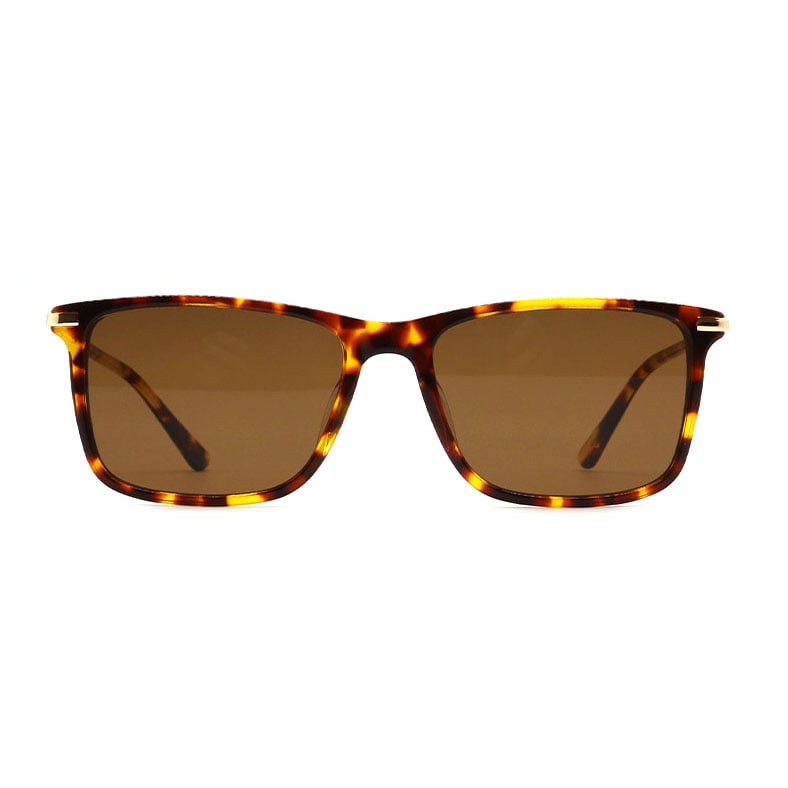
Preventing these mismatches requires a structured quality control framework that addresses specification clarity, vendor accountability, and inspection protocols. When working with a sunglasses vendor or evaluating eyewear sourcing options, understanding the common failure points and implementing preventive measures becomes essential to maintaining product consistency and meeting market expectations. This article explores how to identify risk factors, establish control mechanisms, and ensure that every shipment aligns with your original buyer brief.
Understanding the Root Causes of Specification Mismatches
Communication Breakdowns in Eyewear Sourcing
Specification mismatches often originate from unclear communication between buyers and suppliers. In eyewear sourcing, technical details matter enormously: lens materials, polarization levels, UV protection ratings, frame dimensions, color accuracy, and hinge mechanisms all influence product viability. When buyer briefs lack precision or when a sunglasses vendor interprets requirements differently, the delivered goods inevitably diverge from expectations. Language barriers, incomplete technical drawings, or vague descriptors like 'premium quality' or 'standard finish' leave room for conflicting interpretations.
A critical issue emerges when internal specifications aren't formally documented or shared. If your team hasn't created a detailed specification sheet before contacting a sunglasses supplier, the vendor has no reference point beyond conversational notes or email sketches. This creates ambiguity that suppliers—especially those managing hundreds of concurrent orders—may resolve based on their own production defaults rather than your actual needs. Clear, written, measurable specifications eliminate this guesswork.
Supplier Capability and Resource Constraints
Not every sunglasses vendor possesses the capability to produce exactly what you've specified. Some suppliers lack certain machinery, experience with specific lens coatings, or expertise in custom frame modifications. A sunglasses wholesale operation optimized for high-volume standard products may struggle with bespoke specifications or tight tolerances. Rather than declining an order or flagging capability gaps early, some suppliers attempt production anyway, resulting in out-of-spec output that reaches your inspection stage too late for cost-effective correction.
Resource constraints also drive specification drift. When a sunglasses vendor faces material shortages, production delays, or workforce constraints, they may substitute components, adjust finishes, or compress timelines in ways that subtly alter the final product. Without robust eyewear sourcing protocols that include supplier capability verification before order placement, you're exposed to this risk. Pre-qualification audits and open dialogue about constraints prevent nasty surprises mid-production.
Establishing Preventive Quality Control Measures
Building Detailed Specification Documentation
The foundation of mismatch prevention is comprehensive specification documentation that leaves no room for interpretation. Your buyer brief should specify frame materials, dimensions (width, height, bridge width, temple length), lens type, UV protection standards, polarization specifications, color codes with tolerance ranges, and finish details. If ordering from a sunglasses supplier, include high-resolution images, material samples, or reference products that exemplify your standard. Digital specification sheets with technical drawings, color pantone references, and tolerance ranges transform vague communication into measurable criteria.
In eyewear sourcing, even small details matter. Specify whether screws should be stainless steel, acetate grain direction, hinge tension preferences, and packaging requirements. Define what 'defect-free' means in your context: does it include minor scratches, glue residue, or logo misalignment? A professional sunglasses vendor will appreciate the clarity and use your specifications as production targets, while less sophisticated suppliers may view detailed specs as unnecessary overhead—a red flag worth investigating.
Pre-Production Supplier Verification and Qualification
Before placing significant orders, conduct formal qualification of your chosen sunglasses vendor. Request samples based on your exact specifications, then inspect them against your brief with the same rigor you'll apply to production runs. Assess whether the sunglasses supplier demonstrates understanding of your requirements, can produce the required quality level, and meets your timelines. Visit the facility if feasible, or request facility photos and process documentation. For eyewear sourcing at scale, this step prevents expensive scaling of an unsuitable relationship.
Establish a sunglasses wholesale terms agreement that explicitly states your specification requirements, inspection criteria, rejection protocols, and remediation timelines. Include clauses requiring the vendor to notify you immediately if they cannot meet specifications, rather than proceeding with compromises. A professional sunglasses supplier will welcome these guardrails because they reduce disputes and rework. Define what constitutes acceptable variation and what triggers automatic rejection or rework.
Inspection Protocols and Quality Gates
Implement a multi-stage inspection process that catches mismatches before they reach your customers. Conduct first-article inspections on the very first production run from any new sunglasses vendor, comparing samples directly against your specification sheet using calibrated tools where applicable. For eyewear sourcing, measure frame dimensions with calipers, verify lens coatings with UV detection tools, and inspect finish quality under consistent lighting. Document all findings with photos and detailed notes.
Establish incoming quality control procedures for every shipment, sampling at statistically appropriate rates. If your sunglasses supplier operates under quality management systems like ISO 9001, leverage their documentation to understand their internal inspection procedures. Create feedback loops where inspection findings immediately alert the vendor, enabling root-cause investigation and corrective action. A sunglasses supplier responsive to quality concerns demonstrates reliability and commitment to consistency.
Managing Ongoing Vendor Performance and Continuous Improvement
Performance Metrics and Audit Schedules
Track specification compliance metrics for every sunglasses vendor you work with. Monitor defect rates by category (dimensional, finish, material, assembly), on-time delivery performance, and responsiveness to quality questions. Schedule periodic audits—at minimum annually for key suppliers—to verify that quality systems remain in place and that process controls haven't degraded. During eyewear sourcing reviews, revisit whether the vendor's capabilities match your evolving product requirements or whether new market demands exceed their capacity.
Use scorecards to rate sunglasses wholesale vendors across quality, delivery, communication, and responsiveness. Share these results transparently with your supplier so they understand their standing and know where improvement is needed. A sunglasses vendor serious about partnership will view these metrics as improvement opportunities rather than threats. Regular performance communication prevents slow erosion of quality standards that can occur when vendors assume they're meeting expectations without formal feedback.
Supplier Collaboration and Continuous Improvement
The best eyewear sourcing relationships involve active collaboration on continuous improvement. Schedule regular check-ins with your sunglasses supplier to discuss production challenges, share market feedback, and explore opportunities to reduce costs without sacrificing quality. If you've identified recurring defects, involve the vendor in root-cause analysis rather than simply rejecting batches. Many mismatches stem from feasibility issues the vendor discovered too late in production; early dialogue would have prevented them.
Consider sharing demand forecasts and seasonal trends with your sunglasses vendor so they can plan resources appropriately and avoid the quality shortcuts that emerge when overwhelmed. For sunglasses wholesale operations, stable demand visibility enables consistent quality because suppliers can maintain trained workforce levels and material inventory. Recognize and reward vendors who consistently meet specifications through repeat orders and favorable payment terms. Building a preferred vendor relationship transforms the dynamic from transactional to collaborative, naturally reducing specification mismatches.
FAQ
What are the most common specification mismatches when ordering from a sunglasses supplier?
The most frequent mismatches involve lens specifications (incorrect UV protection or polarization levels), frame dimensions that fall outside tolerance ranges, color or finish inaccuracy compared to samples, and assembly quality issues like loose hinges or misaligned logos. Material substitutions also occur when a sunglasses vendor replaces specified acetate or metal with cheaper alternatives due to supply chain disruptions. Eyewear sourcing failures often center on these controllable factors, making thorough specification documentation and incoming inspection critical.
How should a buyer brief be structured when working with a sunglasses wholesale vendor?
An effective buyer brief for eyewear sourcing should include a technical specification sheet with frame dimensions and materials, lens requirements with UV and polarization standards, color specifications with approved pantone or physical samples, finish details, packaging requirements, quality standards and inspection criteria, and a reference photo or physical sample of an acceptable product. The brief should also state timelines, volume commitments, and the process for addressing deviations. A professional sunglasses supplier will use this structured format as their production roadmap, eliminating ambiguity.
What inspection procedures prevent mismatches before products reach customers?
Implement first-article inspection on the vendor's initial production run, measuring dimensions with precision tools and verifying lens and finish qualities under controlled conditions. For ongoing shipments from a sunglasses vendor, conduct statistical sampling based on order volume, comparing samples directly to your buyer brief. Include visual inspection for finish consistency, functional testing of hinges and frame integrity, and documentation of all findings with photos. Immediate feedback to your sunglasses supplier about any findings accelerates root-cause investigation and prevents repeated mismatches in subsequent shipments.



