
 EN
Diopter Accuracy Tolerances in Reading Glasses Production: A Technical Guide for Eyewear Buyers
Learn ISO 12312-1 diopter tolerances (±0.12–±0.25 D), measurement best practices, and how to verify supplier compliance.
Understanding diopter accuracy tolerances is critical for eyewear buyers who need to source quality reading glasses that meet customer expectations and regulatory standards. The precision of optical power in readers directly impacts wearer comfort, visual clarity, and product liability exposure. Whether you are purchasing reading glasses for retail distribution, corporate wellness programs, or personal use, grasping the technical specifications and manufacturing tolerances that govern optical performance ensures you make informed procurement decisions.
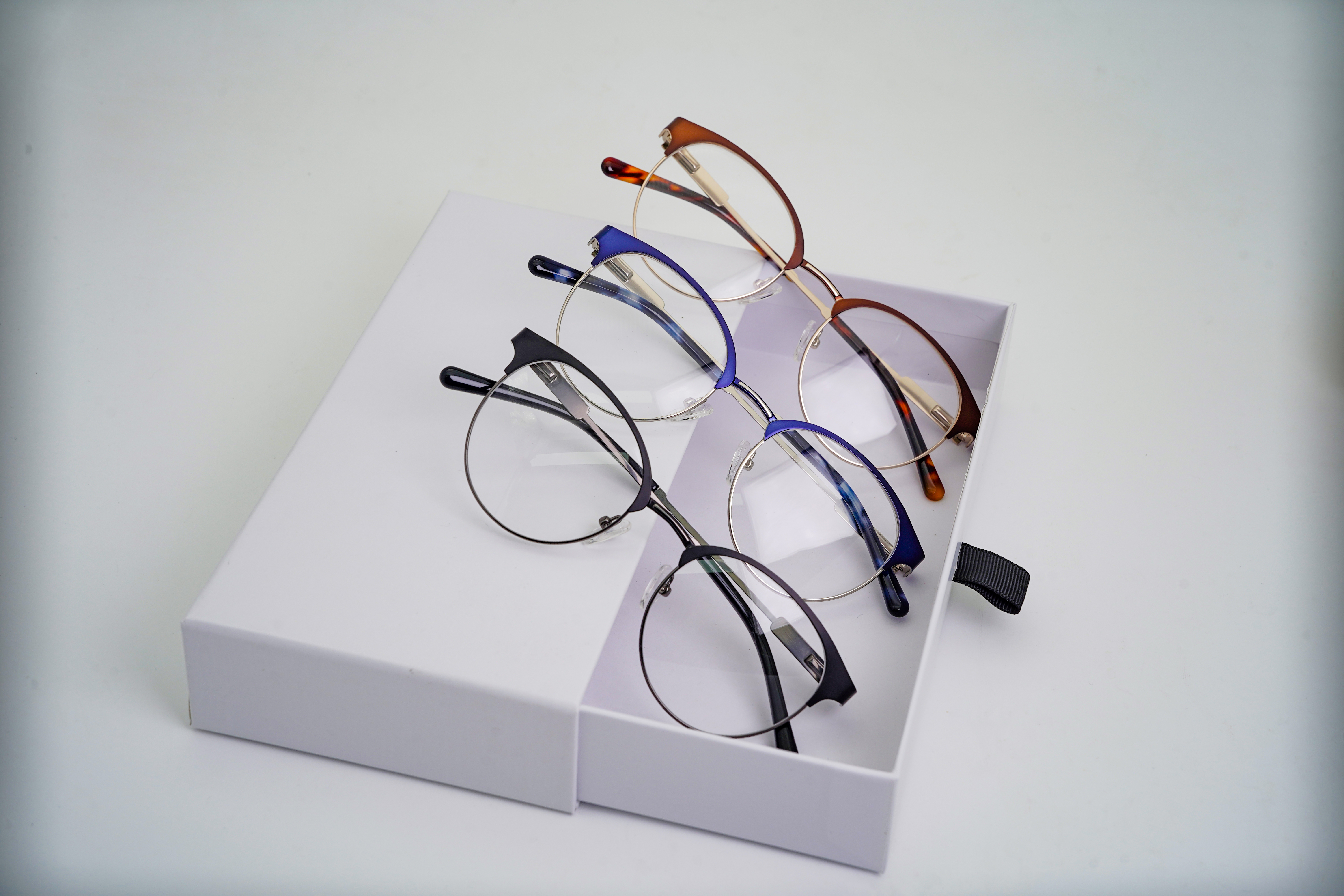
Diopter accuracy in presbyopic glasses manufacturing is governed by international standards and optical physics principles that every serious eyewear buyer must understand. The tolerance ranges, measurement methods, and quality control processes used by manufacturers determine whether your readers will deliver consistent, reliable vision correction across your customer base. This technical guide walks you through the standards, measurement practices, and procurement criteria that separate premium readers from lower-quality alternatives.
Understanding Diopter Accuracy Standards for Readers
International Standards and Tolerance Ranges
The International Organization for Standardization (ISO) establishes strict guidelines for optical power tolerance in reading glasses through ISO 12312-1 and related specifications. These standards define allowable deviations in diopter measurements, prism power, and optical axis alignment. For most readers, the tolerance for sphere power ranges from ±0.12 diopters to ±0.25 diopters, depending on the lens material, manufacturing process, and target market segment. Premium presbyopic glasses typically maintain tighter tolerances of ±0.12 to ±0.18 diopters, while budget-oriented magnifying glasses may operate within wider ±0.25 to ±0.37 diopter ranges.
Understanding these tolerance bands is essential because they directly affect visual performance. A 0.25 diopter variance may seem negligible, but for presbyopic users who depend on precise correction for reading tasks, cumulative optical errors can cause eye strain, headaches, and reduced productivity. When sourcing readers for your business, confirm that manufacturer specifications align with ISO standards and that quality control processes verify compliance through sample testing or batch certification.
How Diopter Specifications Affect Product Quality
The optical power delivered by reading glasses must match the labeled diopter value within specified tolerances to ensure consistent wearer satisfaction. A +2.50 diopter reader lens must deliver optical power within the tolerance band—typically +2.38 to +2.62 diopters—to maintain the intended correction strength. Deviations outside this range result in under-correction or over-correction, both of which compromise visual quality and customer confidence in your product line.
Magnifying glasses used for detailed work face similar precision requirements, though industrial magnifying applications may tolerate slightly wider ranges. The quality of the base lens material, lens surfacing equipment, and finishing processes all influence whether individual readers meet diopter specifications consistently. Buyers should request manufacturing certificates that document average diopter values and variance data for production batches, ensuring transparency and accountability in the supply chain.
Manufacturing Processes and Measurement Techniques
Lens Grinding, Polishing, and Optical Testing
Manufacturing readers involves multiple precision steps: lens blank selection, grinding to achieve target optical power, polishing for surface quality, and final coating application. Each step introduces potential variance, making rigorous quality control essential. Presbyopic glasses manufacturers use automated lens generators and CNC grinders to shape optical surfaces to micron-level precision. After grinding and polishing, each lens undergoes measurement using a lensometer—an optical instrument that reads the actual diopter power of the finished lens.
The lensometer measurement process is non-destructive and can be applied to every lens or to statistical samples within production batches. High-volume manufacturers of readers typically measure sample lenses at regular intervals rather than every single lens, balancing efficiency with quality assurance. The measurement data is recorded and compared against specifications; lenses falling outside tolerance are either reworked or rejected, depending on the magnitude of deviation and the manufacturer's policy.
Statistical Process Control and Batch Certification
Leading eyewear manufacturers employ statistical process control (SPC) methods to monitor diopter accuracy in magnifying glasses and readers throughout production runs. SPC uses control charts that track average optical power, variance, and trend data across time, enabling operators to detect equipment drift before it results in out-of-tolerance lenses. When processes remain in statistical control, the manufacturer can confidently certify that the entire batch meets diopter specifications and international standards for presbyopic glasses.
As an eyewear buyer, you should request Certificates of Conformance (CoC) or batch test reports from suppliers. These documents provide evidence that readers shipped to you have been measured and verified against specification. Reputable manufacturers maintain traceable documentation linking specific production batches to test results, enabling you to investigate any quality concerns and verify that your supply chain maintains consistent standards for readers and other optical products.
Practical Procurement Guidance for Eyewear Buyers
Selecting Suppliers and Verifying Technical Compliance
When sourcing readers or presbyopic glasses, establish clear technical requirements in your purchase specifications. Specify the acceptable diopter tolerance range, reference applicable ISO standards, and require batch certification or sample testing documentation with every shipment. Request information about the manufacturer's quality management system—ISO 9001 certification indicates commitment to consistent processes and documentation. Ask potential suppliers about their measurement equipment calibration practices; lensometers must be calibrated regularly using certified test lenses to ensure measurement accuracy.
Evaluate suppliers based on their transparency and willingness to provide technical documentation. Manufacturers of quality magnifying glasses and readers maintain detailed records and can explain their tolerance management practices without hesitation. Request samples from prospective suppliers and have them independently tested before committing to large orders. This due diligence protects your business from reputation damage and customer complaints resulting from defective or inconsistently performing readers.
Managing Customer Expectations and Quality Communication
Educate your customers about diopter tolerance so they understand that minor optical variations are normal and compliant with standards. Include clear labeling on reader packaging that states the optical power and tolerance range; transparency builds trust and reduces return rates. If customers experience dissatisfaction with readers, investigate whether the lenses meet specification before assuming manufacturing defect. Some visual discomfort may result from prescription complexity, lens material properties, or individual sensitivity rather than diopter accuracy failures.
Train your sales and customer service teams to address optical performance questions professionally and accurately. Presbyopic glasses buyers often have specific visual needs; providing readers with verified diopter accuracy backed by supplier documentation strengthens your market position and customer loyalty. Consider offering quality assurance guarantees for readers that exceed standard tolerances, differentiating your brand and justifying premium pricing for magnifying glasses and readers that deliver exceptional consistency.
FAQ
What diopter tolerance is considered acceptable for reading glasses?
ISO 12312-1 standards specify that most readers must maintain sphere power tolerance within ±0.12 to ±0.25 diopters, depending on lens type and application. Premium presbyopic glasses typically meet ±0.12 to ±0.18 diopter tolerances, while standard magnifying glasses may operate within ±0.25 to ±0.37 diopter ranges. Always request batch test data from your supplier to confirm actual tolerance compliance for readers you purchase.
How can eyewear buyers verify that readers meet diopter specifications?
Request Certificates of Conformance and batch test reports from manufacturers documenting lensometer measurements for your readers shipments. You can also conduct independent testing using calibrated lensometers or partner with quality assurance laboratories. Ask suppliers about their statistical process control methods and calibration practices for presbyopic glasses manufacturing equipment to ensure measurement equipment remains accurate and reliable.
Why do some reading glasses customers experience discomfort if lenses meet diopter tolerance?
Diopter tolerance compliance ensures optical power meets specification, but other factors affect comfort in readers and magnifying glasses: lens material properties, frame fit, base curve design, and individual visual sensitivity all influence wearer experience. Some presbyopic users may require progressive lens designs or specialized coatings not available in standard readers. Verify that tolerance-compliant lenses are paired with appropriate frame geometry and refractive design for your target customer demographics.



