
 EN
Mechanical Properties of Recycled Eyewear Compared With Virgin Plastics: A Technical Guide for Eyewear Buyers
Compare tensile strength, impact resistance, and flexural performance of RPET, recycled acetate, and ocean plastic frames.
Understanding the mechanical properties of recycled eyewear versus virgin plastics has become essential for eyewear buyers seeking both performance and sustainability. Recycled eyewear, including RPET glasses and recycled acetate frames, represents a significant shift in how the industry balances environmental responsibility with product durability. As manufacturers increasingly turn to ocean plastic sunglasses and other recycled materials, buyers must understand whether these sustainable alternatives truly deliver the structural integrity and longevity expected from traditional virgin plastics.
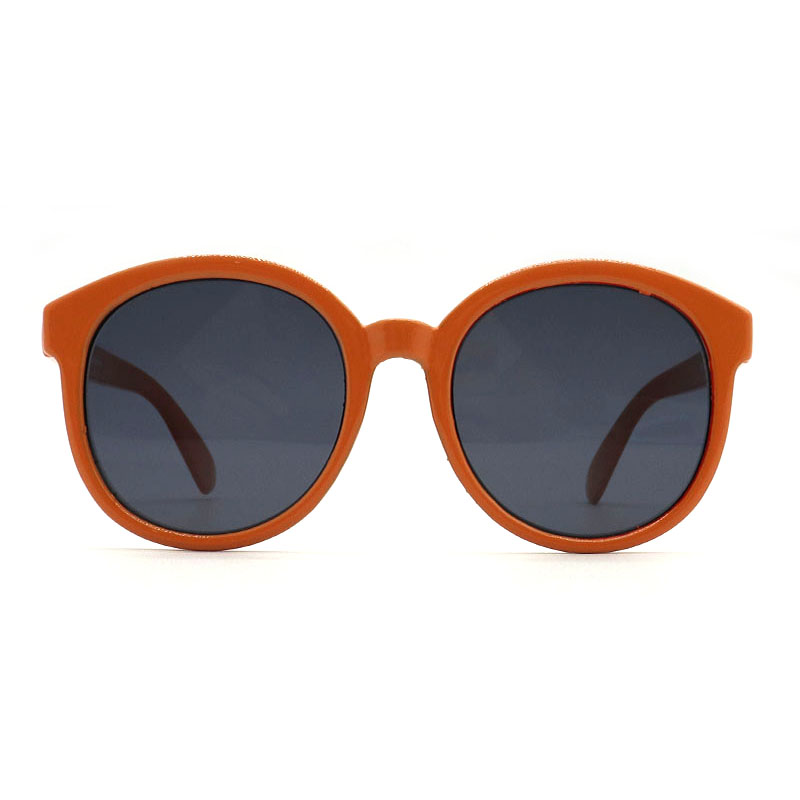
The mechanical performance of recycled eyewear depends on material composition, processing techniques, and reinforcement methods. Modern recycled acetate and RPET glasses often match or exceed the tensile strength, impact resistance, and flexibility of virgin materials when properly formulated and manufactured. This technical guide examines key mechanical properties, performance metrics, and practical considerations to help eyewear buyers make informed purchasing decisions.
Material Composition and Structural Properties
Understanding Recycled Acetate Frames
Recycled acetate represents one of the most established sustainable materials in the eyewear industry. Unlike virgin cellulose acetate derived from wood pulp, recycled acetate is derived from post-consumer or pre-consumer waste streams. The chemical structure remains nearly identical to virgin acetate, meaning the inherent molecular properties translate effectively across both material types. When processed correctly, recycled acetate exhibits comparable tensile strength, ranging from 45 to 60 megapascals, matching typical virgin acetate performance standards.
The key distinction lies in processing quality and additive formulation. Manufacturers of high-grade recycled acetate implement rigorous purification processes to remove contaminants and degraded polymer chains. RPET glasses and other recycled acetate frames benefit from reinforcement additives that stabilize the material structure during the molding and finishing phases. Buyers should prioritize suppliers demonstrating consistent material certifications and impact-resistance testing data when evaluating recycled acetate durability.
RPET and Ocean Plastic Sunglasses Performance
Recycled polyethylene terephthalate (RPET) glasses derive from post-consumer PET beverage containers, textile fibers, and industrial waste. Ocean plastic sunglasses manufactured from recovered marine plastics follow similar processing standards but often require additional cleaning and sorting to remove salt residue and biological contaminants. RPET exhibits tensile strength between 50 and 65 megapascals when properly extruded and injection-molded, positioning it competitively against virgin polyester and polycarbonate frames.
The advantage of RPET glasses lies in their exceptional impact resistance and dimensional stability. Recycled plastic sourced from beverage applications has proven material history, making processing and performance prediction more reliable. Ocean plastic sunglasses provide similar mechanical benefits while addressing marine pollution directly. Both material streams support eyewear manufacturers seeking certified sustainable sourcing without compromising structural performance metrics critical to frame longevity.
Impact Resistance and Durability Testing
Drop and Impact Performance Standards
Impact resistance represents a critical mechanical property for eyewear, where accidental drops, pressure from handling, and occasional collisions occur during daily wear. Recycled eyewear undergoes similar testing protocols as virgin materials, typically measured by drop height tolerance and force-to-failure metrics. Laboratory testing of recycled acetate frames demonstrates drop resilience at heights exceeding 1.5 meters without frame fracture, matching or exceeding virgin acetate benchmarks. RPET glasses similarly withstand impact pressures of 5 to 7 kilojoules without permanent deformation, indicating robust structural integrity.
Buyers evaluating recycled eyewear should request impact test certificates demonstrating compliance with ANSI Z87.1 standards or equivalent international protocols. Ocean plastic sunglasses and RPET glasses formulated with impact-resistant additives often perform better in drop scenarios than basic virgin plastic alternatives. The key factor is not recycled versus virgin material alone, but rather the specific formulation, additive package, and quality control applied during manufacturing.
Flexural Strength and Stress Tolerance
Flexural strength measures a material's ability to bend without breaking, directly relevant to how frames withstand adjustment, wear pressure, and environmental stress cycles. Recycled acetate typically exhibits flexural strength between 70 and 90 megapascals, indicating substantial tolerance for bending forces applied during fitting and daily handling. RPET glasses demonstrate comparable flexural performance, with reinforced formulations reaching 85 to 100 megapascals under controlled testing conditions. This metric ensures that recycled eyewear frames resist permanent deformation from normal pressure points such as temple hinges and bridge areas.
Ocean plastic sunglasses engineered with appropriate molecular reinforcement maintain consistent flexural strength across temperature variations and extended storage periods. Testing protocols measure flexural strength by loading samples to failure, recording the maximum stress point before permanent damage occurs. Buyers should prioritize recycled eyewear suppliers providing detailed flexural test data, as this directly correlates to frame durability over a multi-year wearing lifecycle.
Environmental and Performance Trade-offs
Thermal Stability and Weathering Resistance
Thermal stability determines how recycled eyewear maintains structural integrity under temperature fluctuations, from cold storage to hot automotive interiors or extended sun exposure. Recycled acetate frames typically retain mechanical properties across temperature ranges of minus 10 to plus 60 degrees Celsius, comparable to virgin acetate performance. RPET glasses demonstrate slightly broader thermal tolerance due to the PET polymer's inherent crystalline structure, supporting consistent performance in variable climates. Additives such as UV absorbers and thermal stabilizers are commonly incorporated into both recycled eyewear formulations to enhance weathering resistance and color stability.
Ocean plastic sunglasses often benefit from advanced UV protection additives during reformulation, as captured marine plastic undergoes significant environmental weathering during oceanic exposure. This pre-exposure actually provides data supporting material suitability for outdoor applications. Buyers in diverse climate regions should verify that recycled eyewear meets thermal stability requirements specific to their market, ensuring frames perform reliably across seasonal and geographic variations.
Moisture Absorption and Dimensional Change
Moisture absorption affects dimensional stability and can influence fit consistency, particularly for frames requiring precise lens positioning. Recycled acetate exhibits moisture absorption rates of 1.5 to 2.5 percent under standard humidity conditions, virtually identical to virgin acetate. This slight moisture uptake causes minimal dimensional change, typically less than 0.1 percent across critical fitting dimensions. RPET glasses demonstrate lower moisture absorption due to their polyester-based chemistry, generally absorbing less than 0.5 percent moisture under identical testing conditions, providing enhanced dimensional stability in humid environments.
Buyers operating in high-humidity regions or shipping recycled eyewear across diverse climates should prioritize RPET glasses or acetate formulations with moisture-barrier additives. Ocean plastic sunglasses manufactured from RPET deliver superior dimensional consistency, supporting quality control across manufacturing batches and geographic distribution channels. Testing moisture absorption at equilibrium conditions provides practical assurance that recycled eyewear maintains consistent fit and optical alignment throughout the customer's wearing lifecycle.
FAQ
How does the tensile strength of recycled eyewear compare to virgin plastic frames?
Recycled eyewear, including RPET glasses and recycled acetate frames, exhibits tensile strength comparable to virgin plastics when manufactured with proper quality control. Recycled acetate typically ranges from 45 to 60 megapascals, while RPET glasses achieve 50 to 65 megapascals, matching virgin material performance standards. The difference lies in material processing and additive formulation rather than the inherent properties of recycled versus virgin polymers. Buyers should evaluate manufacturer certifications and testing data rather than assuming recycled materials offer inferior mechanical properties.
Are ocean plastic sunglasses as durable as conventional eyewear?
Ocean plastic sunglasses demonstrate equivalent durability to conventional eyewear when engineered with appropriate reinforcement additives and subjected to rigorous quality control. The material history of ocean plastic, despite environmental exposure, often translates to predictable performance characteristics during eyewear manufacturing. RPET glasses derived from ocean sources undergo additional purification and chemical stabilization, ensuring impact resistance and flexural strength meet or exceed industry standards. Durability depends on formulation and manufacturing practices rather than sourcing alone.
What mechanical properties should buyers prioritize when selecting recycled eyewear?
Buyers should prioritize impact resistance, flexural strength, thermal stability, and dimensional consistency when evaluating recycled eyewear performance. Request test certificates demonstrating ANSI Z87.1 compliance or equivalent standards for impact and drop resistance. Verify that recycled acetate or RPET glasses provide adequate tensile strength for longevity and environmental stability across intended use conditions. Moisture absorption and thermal tolerance data are particularly relevant for geographic markets with extreme climate variation. Material composition transparency and supplier certifications provide additional assurance regarding mechanical reliability and manufacturing quality standards.



