
 EN
Durability Concerns in Sustainable Eyewear With Bio-Based Materials: Prevention Strategies for Eyewear Brands
Discover proven strategies to boost durability in bio acetate & recycled sunglasses—without compromising eco-credentials. Get actionable solutions now.
Sustainable eyewear represents a critical shift toward environmentally conscious manufacturing in the optical industry, yet durability remains a significant challenge that brands must address. As consumers demand eco friendly glasses and recycled sunglasses, manufacturers face the reality that bio-based materials often exhibit different structural properties than traditional petroleum-derived plastics. This tension between environmental responsibility and product longevity creates a complex engineering problem that requires strategic solutions, careful material selection, and rigorous quality control protocols. Understanding these durability concerns is essential for eyewear brands committed to delivering products that maintain both integrity and environmental credentials.
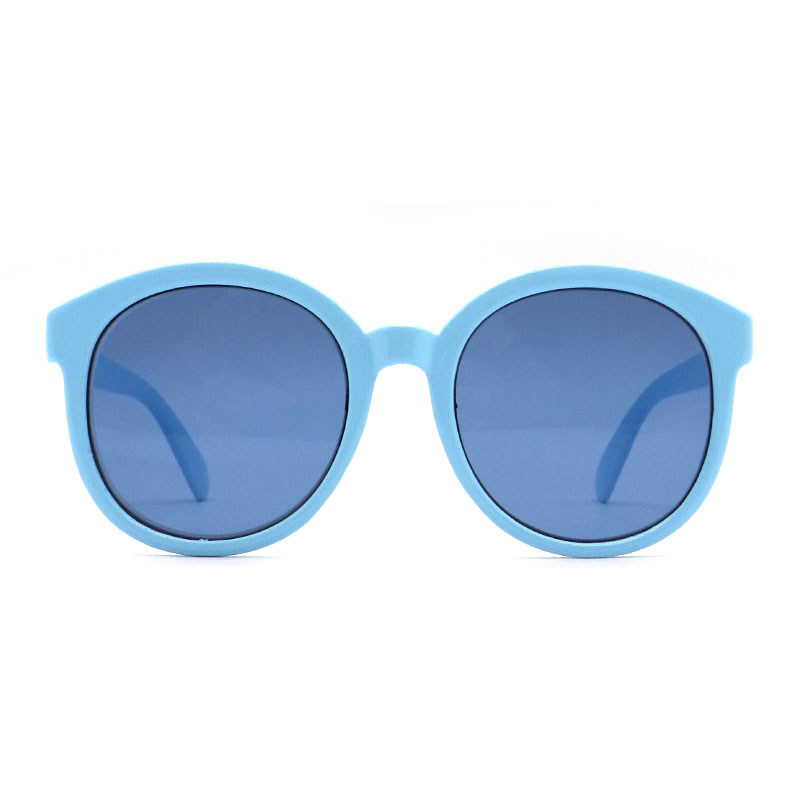
The market for sustainable eyewear continues to expand as environmental awareness grows among consumers globally. Brands offering bio acetate eyewear and other eco friendly glasses solutions are gaining competitive advantage, yet many struggle with performance consistency. sustainable eyewear that fails prematurely undermines brand reputation and wastes the environmental investment made during manufacturing. This article explores the root causes of durability issues in sustainable eyewear and provides actionable prevention strategies for manufacturers and brands seeking to build resilient, environmentally responsible products.
Understanding Material Limitations in Bio-Based Eyewear
The Challenge of Bio Acetate and Plant-Based Polymers
Bio acetate eyewear and other plant-derived materials bring significant environmental benefits, yet they inherently differ from conventional acetate in molecular structure and performance characteristics. Bio-based polymers absorb moisture differently, respond to temperature fluctuations with greater sensitivity, and may exhibit reduced impact resistance in certain conditions. The biodegradability that makes these materials environmentally attractive also means they degrade more readily under UV exposure and environmental stress. Eyewear brands transitioning to eco friendly glasses must understand that cost-effective bio acetate formulations may compromise durability if not carefully engineered. This knowledge gap often results in products that perform adequately in laboratory conditions but fail under real-world usage scenarios consumers encounter daily.
Molecular Structure and Performance Trade-Offs
Sustainable eyewear manufacturers face inherent trade-offs between environmental performance and structural durability. Traditional petroleum-based plastics were optimized over decades for specific optical and mechanical properties that consumers expect from eyewear. Bio-based alternatives, while reducing carbon footprint and ending-of-life environmental impact, require different stabilization additives and processing techniques. Recycled sunglasses using reclaimed plastic face additional challenges from material degradation during the recycling process itself. The crystalline structure of bio acetate differs from virgin acetate, affecting how the material responds to stress concentration points common in eyewear design. Understanding these molecular differences allows brands to anticipate failure modes and implement preventive design modifications.
Prevention Strategies for Enhanced Durability
Material Selection and Supplier Partnership
The foundation of durable sustainable eyewear begins with strategic material selection and robust supplier relationships. Brands must move beyond cost minimization and establish detailed specifications for bio acetate eyewear that address durability benchmarks alongside environmental credentials. Working closely with material suppliers to access formulations specifically engineered for eyewear applications ensures better performance consistency. Recycled sunglasses manufacturers should source reclaimed materials from certified processors using controlled regeneration protocols rather than accepting lowest-cost waste streams. Establishing material traceability systems enables brands to identify performance variations and adjust manufacturing parameters accordingly. Regular material testing protocols, including accelerated aging studies and environmental stress testing, provide early warning of potential durability issues before production scaling.
Design Engineering and Structural Optimization
Durable sustainable eyewear requires design modifications that account for the specific material properties of bio acetate and recycled polymers. Engineers must eliminate sharp corners and stress concentration points that work well in traditional acetate but cause premature failure in bio-based materials. Increased thickness at critical hinge and bridge areas provides structural redundancy without significantly impacting weight or aesthetics. Arch support in frame design reduces sustained stress on materials sensitive to creep deformation, extending product lifespan substantially. Eco friendly glasses benefit from tapered sections that gradually transition between different structural elements, distributing loads more evenly than abrupt design changes. Testing prototypes through accelerated mechanical stress cycles ensures design changes actually improve durability before full production commitment. This engineering approach transforms material limitations into design opportunities rather than treating durability as a secondary concern.
Quality Control and Manufacturing Excellence
Process Control and Manufacturing Standards
Manufacturing excellence forms the critical link between sustainable eyewear design intentions and actual product durability. Bio acetate eyewear requires tighter temperature and humidity controls during injection molding than traditional materials, as moisture absorption during production affects final properties. Consistent cooling rates and mold design prevent internal stress concentrations that emerge as micro-fractures during normal use. Recycled sunglasses production demands particular attention to material purity and preprocessing, as contamination or inconsistent regeneration directly impacts structural performance. Statistical process control systems monitoring key parameters ensure every production batch meets durability specifications, not just environmental targets. Post-molding annealing treatments specifically suited to bio-based materials relieve internal stresses and significantly enhance both durability and optical quality of eco friendly glasses.
Testing Protocols and Quality Assurance
Comprehensive testing programs provide measurable evidence that sustainable eyewear meets durability expectations. Mechanical testing including drop tests, lens impact resistance, and temple flexure testing should match or exceed standards applied to conventional eyewear products. Environmental chamber testing subjects eco friendly glasses to temperature cycling, humidity exposure, and UV radiation that simulates real-world conditions over extended periods. Accelerated aging studies using ASTM or ISO protocols establish realistic product lifespan predictions for bio acetate eyewear and recycled materials. Chemical resistance testing ensures lens coatings and frame materials withstand exposure to sweat, sunscreen, and cleaning products. Batch-to-batch variation monitoring identifies material supply issues early and enables rapid corrective action before inferior products reach consumers. These rigorous protocols demonstrate that sustainable eyewear can achieve performance parity with conventional products while delivering environmental benefits.
FAQ
Why does sustainable eyewear often face durability concerns compared to traditional eyewear?
Bio-based materials used in eco friendly glasses and bio acetate eyewear have different molecular structures than conventional petroleum-based plastics, affecting how they respond to stress, moisture, and UV exposure. These materials were optimized for environmental performance rather than decades of engineering refinement applied to traditional eyewear. Additionally, the biodegradability that makes sustainable eyewear environmentally beneficial also means it degrades more readily under certain conditions, requiring different design approaches and manufacturing controls.
What role does material sourcing play in preventing durability failures?
Material sourcing directly impacts sustainable eyewear performance because supplier quality, material consistency, and formulation engineering vary significantly across bio acetate eyewear manufacturers. Partnering with suppliers who specialize in eyewear-grade bio-based materials ensures better durability than purchasing lowest-cost alternatives. For recycled sunglasses, sourcing reclaimed plastic from certified processors using controlled regeneration protocols prevents contamination and material degradation that compromises structural performance and longevity.
How can eyewear brands demonstrate that their sustainable eyewear is durable?
Brands establish durability credibility through comprehensive testing programs aligned with established standards for eco friendly glasses and recycled products. Publishing third-party test results for impact resistance, accelerated aging, and environmental stress demonstrates commitment beyond marketing claims. Offering extended warranties or durability guarantees specifically for bio acetate eyewear and other sustainable options reassures consumers that durable sustainable eyewear can match conventional product lifespans while delivering environmental benefits.



