
 EN
Sports Eyewear Fit Across Different Head Shapes: Planning Considerations for Buyers and Brands
Discover how oval, square, round & oblong head shapes impact fit—and how buyers and brands can optimize performance.
Finding the right sports eyewear fit is more complex than most buyers and brands realize. The fundamental challenge lies in the fact that head shapes vary significantly across different populations, and athletic glasses must accommodate these natural variations while delivering optimal vision and comfort during intense activity. Whether you're a retailer selecting inventory, a brand developing new products, or an athlete searching for the perfect pair, understanding how head shape influences sports eyewear performance is essential to making informed decisions.
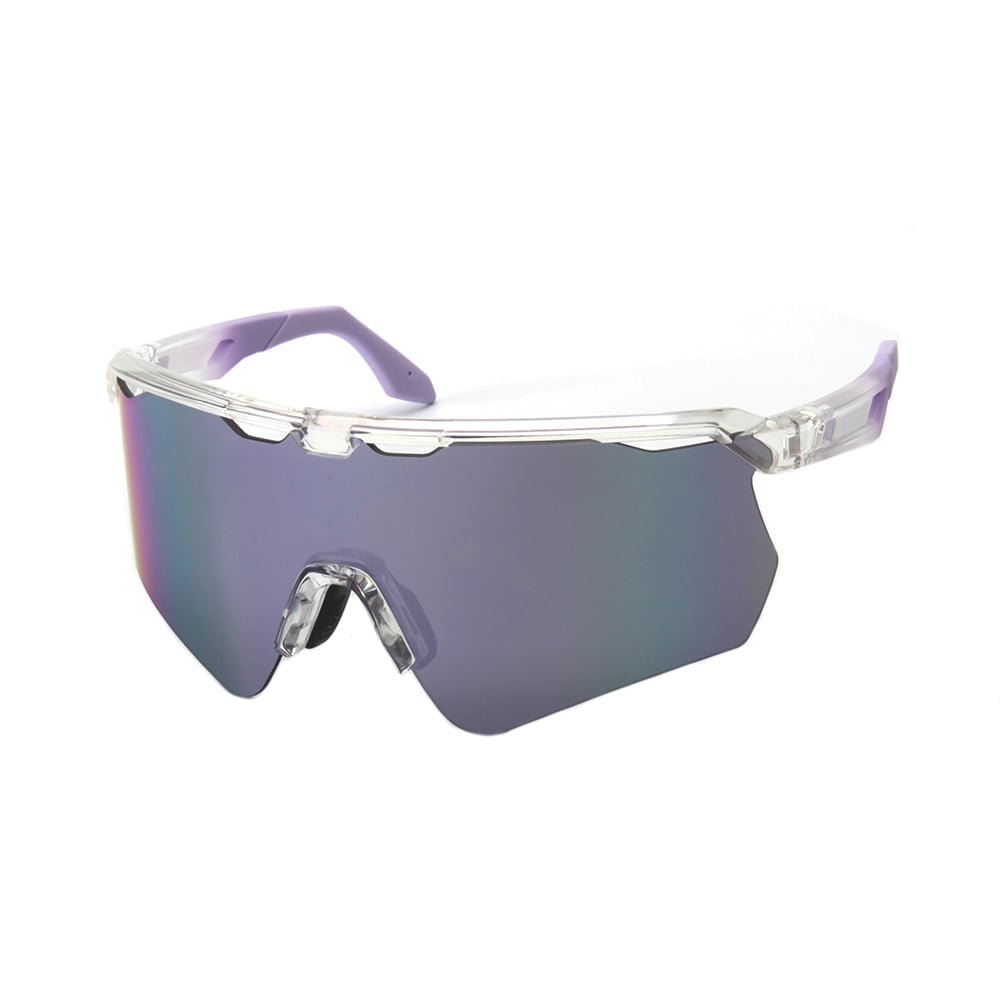
Performance eyewear design has evolved significantly to address the diverse needs of athletes with different facial structures. Modern athletic glasses incorporate adjustable features, varied bridge widths, and flexible frame materials that allow for better customization. However, even with these innovations, the relationship between head shape and eyewear fit remains a critical consideration that often determines whether a purchase succeeds or results in discomfort and returns.
Understanding Head Shape Variations and Impact on Athletic Glasses Fit
Common Head Shape Classifications
Head shapes generally fall into several distinct categories that directly influence how sports glasses sit on the face. The oval head shape is often considered the most balanced and tends to fit standard performance eyewear designs well. Square head shapes feature broader foreheads and wider jawlines, requiring athletic glasses with slightly wider frames and stronger nose support. Round head shapes have proportional width and height, which typically demands narrower frames to avoid overwhelming the face. Long or oblong head shapes require extended temple arms and smaller lens heights for proper alignment.
Key Dimensions That Matter
The relationship between facial width, bridge size, and temple length directly determines how well sports eyewear performs. A bridge that is too wide or too narrow can cause the frame to slip during activity or create uncomfortable pressure points. Temple length affects how securely the athletic glasses stay positioned, particularly important for high-impact sports. Lens height influences both the field of vision and how the frame distributes weight across the face. Understanding these dimensions helps both buyers and brands make smarter choices when selecting or developing performance eyewear solutions.
Planning Considerations for Buyers Selecting Performance Eyewear
Measurement and Assessment Process
Buyers should begin by understanding their own head shape and key facial measurements before shopping for sports glasses. Many retailers now offer measurement guides that specify bridge width, temple length, and lens width for each frame. Taking time to measure accurately—often with help from an optometrist or trained staff—significantly improves the likelihood of finding properly fitting athletic glasses on the first attempt. For organizations purchasing multiple pairs for teams or staff, establishing measurement protocols ensures consistency across the entire purchase.
Fit Testing and Return Considerations
When selecting performance eyewear, buyers must consider the return and exchange policies available. Since head shape variations mean that online sizing predictions may not always align with actual fit, having flexible return options reduces purchasing risk. Testing how sports eyewear performs during actual activity—not just in a fitting room—provides valuable real-world feedback. Buyers should also consider whether frames have adjustable components, such as flexible nose pieces or temple arms, which can accommodate minor fit adjustments and extend the useful lifespan of athletic glasses.
Brand Considerations for Designing and Marketing Performance Eyewear
Product Line Diversification Across Head Shape Fits
Brands developing sports eyewear must acknowledge that a single-size approach fails to serve the full market effectively. Successful performance eyewear portfolios include multiple frame widths, bridge sizes, and temple lengths to accommodate different head shapes. Market research shows that brands offering three to five distinct fit profiles capture significantly higher market share than those with limited options. This diversification isn't just about different colors or styles—it requires genuine engineering variations that address the biomechanical needs of athletes with different facial structures.
Marketing and Communication Strategy
Brands should communicate clearly about which sports glasses work best for different head shapes and facial structures. Providing detailed size guides, fit videos, and customer testimonials from athletes with various head shapes builds confidence in purchasing decisions. Educational content about athletic glasses fit differences helps buyers understand why one frame might outperform another for their specific situation. Brands that position themselves as experts in sports eyewear fit differentiation gain competitive advantage and reduce return rates significantly. Performance eyewear marketing should emphasize customization options and honest fit guidance rather than one-size-fits-all promises.
FAQ
How do I know what head shape I have for finding the right sports glasses?
Identify your head shape by comparing your facial proportions: if your face is roughly equal in width and length with a rounded appearance, you likely have a round head shape. If your forehead, cheekbones, and jawline are all roughly equal in width, you have a square head shape. If your face is noticeably longer than wide with a tapered chin, you have an oblong or long head shape. If your face is slightly longer than wide with balanced proportions, you likely have an oval head shape. Once you identify your shape, match it to sports eyewear designs specifically engineered for that fit profile to ensure optimal comfort and performance.
Can performance eyewear be adjusted to fit different head shapes?
Yes, many modern athletic glasses include adjustable features that accommodate minor variations in head shape and fit. Flexible nose pieces, adjustable temple arms, and spring hinges allow athletes to customize how the frame sits on their face. However, these adjustments work best for fine-tuning rather than correcting major fit mismatches. If your head shape falls significantly outside the design parameters of a particular sports eyewear frame, no amount of adjustment will provide ideal performance. Selecting a frame engineered for your head shape from the start always produces better results than relying on adjustments alone.
Why do some sports glasses slip off during activity when others stay perfectly secure?
Frame slippage in athletic glasses typically results from a mismatch between bridge width, temple length, and your actual head shape. When the bridge is too wide, gravity pulls the frame downward during activity. When temple arms are too long, the frame shifts side to side. When the frame is too narrow for your head shape, it lacks sufficient contact points to stay stable. Sports eyewear engineered specifically for your head shape provides proper weight distribution and multiple secure contact points that maintain position throughout intense physical activity, regardless of sweat or movement.



