
 EN
Interchangeable Lens vs Fixed Lens Sports Eyewear: Key Differences for Buyers
Compare durability, adaptability, cost & sport-specific performance. Choose the right system now.
Choosing the right eyewear for athletic performance involves understanding fundamental design differences that directly impact how your vision performs during competition. Sports eyewear comes in two primary configurations: interchangeable lens systems and fixed lens designs, each offering distinct advantages depending on your sport, environment, and performance requirements. This distinction shapes not only your visual clarity but also your equipment investment, maintenance burden, and adaptability to changing conditions. Athletes and coaches must evaluate these differences carefully to select performance eyewear that truly supports their competitive goals.
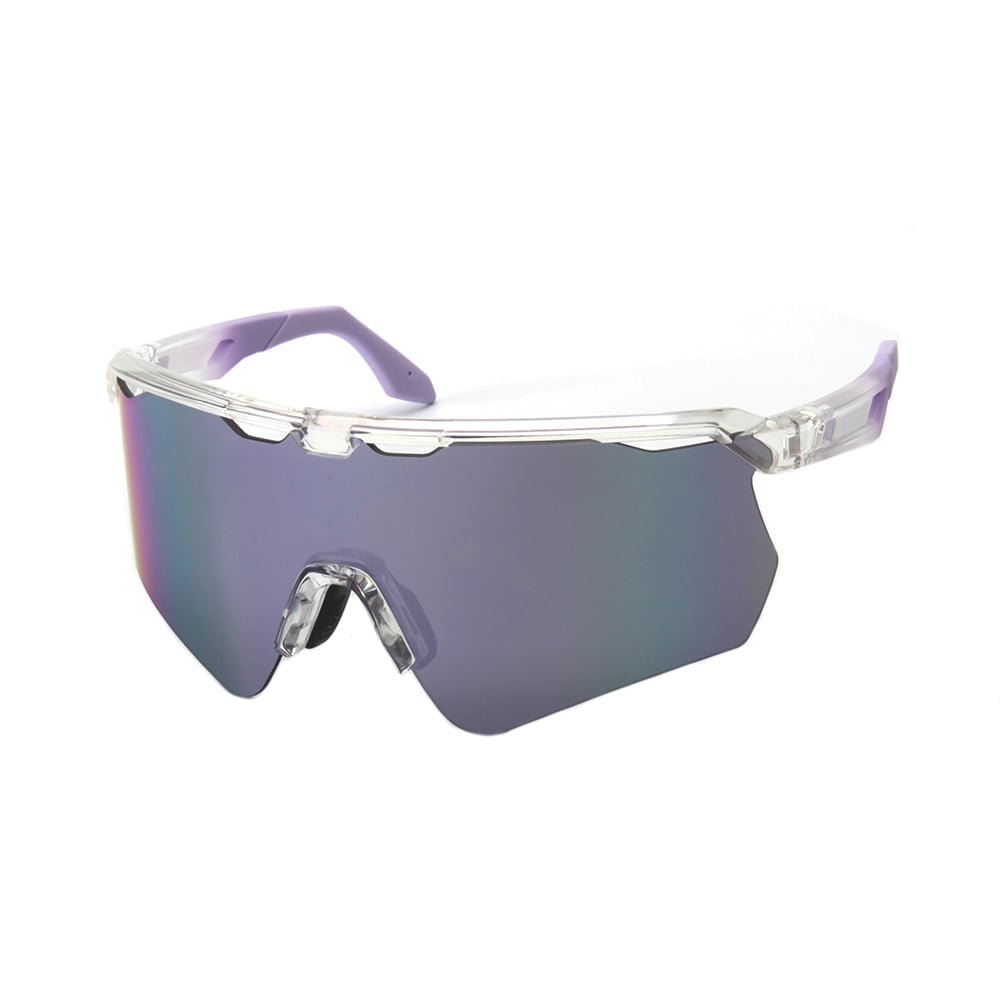
Athletic glasses have evolved significantly over the past two decades, reflecting advances in materials science, optical engineering, and athlete feedback. Modern performance eyewear incorporates advanced coatings, frame geometries, and lens technologies that address the specific demands of high-impact sports. Understanding whether your ideal athletic glasses feature a single fixed lens or a modular interchangeable system requires knowledge of how each approach balances optical stability, environmental versatility, and practical usability in real competition settings.
Fixed Lens Sports Eyewear Systems
Design and Optical Stability
Fixed lens sports eyewear features a single, permanently attached lens mounted within a rigid frame structure. This monolithic design creates inherent optical consistency because the lens maintains exact positioning relative to your eye throughout all activity levels. Athletic glasses with fixed lenses eliminate variables introduced by lens swapping, ensuring your optical prescription, base curve alignment, and visual field remain constant whether you're sprinting, turning sharply, or making split-second directional changes. Performance eyewear constructed with fixed lenses typically uses wraparound geometries that maximize peripheral vision coverage and shield the eyes from environmental elements.
Durability and Maintenance
Sports eyewear with fixed lens construction offers simplified maintenance and enhanced durability in high-stress environments. Without interchangeable components, athletes eliminate connection points where mechanical wear or misalignment commonly occurs. The single lens design reduces the risk of losing replacement lenses during travel, competition preparation, or equipment transitions between venues. Fixed lens athletic glasses require only standard cleaning protocols and periodic protective coating maintenance, making them ideal for athletes who prioritize equipment reliability over environmental versatility.
Interchangeable Lens Performance Eyewear
Environmental Adaptability
Interchangeable lens sports eyewear systems deliver environmental flexibility by allowing athletes to swap optical configurations without purchasing multiple complete frames. Performance eyewear with lens interchangeability lets you deploy specialized lenses for bright sunlight, overcast conditions, or indoor training environments using a single frame investment. Athletic glasses featuring quick-release mechanisms enable rapid lens changes between warm-up sessions and competition, or between outdoor and indoor training blocks. This modular approach particularly benefits multi-sport athletes and those competing across diverse seasonal conditions where environmental lighting changes dramatically throughout the competitive calendar.
Cost Structure and Long-Term Value
Sports eyewear with interchangeable lens systems often present higher initial frame costs but lower per-lens replacement expenses compared to purchasing complete fixed lens glasses for each environmental scenario. Performance eyewear buyers can select premium frame quality once, then acquire specialized lens packages as needed. Athletic glasses using interchangeable systems allow incremental equipment investment, spreading costs across seasons rather than requiring simultaneous purchases of multiple complete units. For budget-conscious programs or athletes supporting extended careers, interchangeable lens sports eyewear provides flexible financial planning aligned with competitive schedule demands and evolving optical needs.
Comparing Performance Eyewear Across Sport Applications
High-Impact Sport Demands
Contact sports and high-collision athletics typically favor fixed lens sports eyewear because the monolithic construction withstands impact forces more effectively than modular interchangeable systems. Performance eyewear designed for rugby, American football, or martial arts prioritizes impact resistance and optical stability under extreme physical stress. Athletic glasses with fixed lens geometry distribute impact energy more uniformly across the frame structure, reducing the risk of lens separation or frame misalignment during tackles, falls, or intentional contact. Sports eyewear engineered for collision sports emphasizes safety ratings, shatter-resistant materials, and secure optical alignment that interchangeable lens mechanisms cannot reliably guarantee.
Variable-Condition Sports
Endurance sports spanning multiple environments—cycling, running events, outdoor training sessions—often benefit from interchangeable lens performance eyewear that adapts to morning darkness, midday brightness, and evening transitions. Athletic glasses with quick-swap lens technology let triathletes optimize vision across swimming, cycling, and running segments without carrying multiple frame sets. Sports eyewear with interchangeable components suits mountain sports, mountaineering, and expedition activities where lighting conditions shift unpredictably throughout extended outdoor sessions. Performance eyewear flexibility addresses the practical reality that serious athletes compete and train across dynamic environmental ranges that no single fixed lens can optimally serve.
Technical Factors Influencing Your Choice
Optical Prescription Integration
Athletes requiring vision correction must consider how prescription integration differs between fixed and interchangeable lens sports eyewear. Performance eyewear with fixed lenses accommodates prescription lenses through direct molding or premium replacement options, though limited lens selection may restrict specialty coatings. Athletic glasses with interchangeable systems allow prescription implementation across multiple lens options, though costs increase significantly when custom prescription variants are manufactured for each lens type. Sports eyewear buyers with moderate to high prescriptions should verify that their preferred fixed or interchangeable system supports their specific refractive requirements without compromising lens quality or performance coatings.
Frame Material and Fit Consistency
Sports eyewear frames must maintain rigid geometry to support consistent optical performance, particularly during high-movement activities. Performance eyewear with fixed lenses benefits from frame materials like TR-90 nylon and carbon fiber that provide structural stability without requiring lens-retention mechanisms. Athletic glasses using interchangeable lenses need frame materials with precise mechanical tolerances to ensure lens seating consistency across multiple swap cycles. Sports eyewear frame materials determine whether fixed or interchangeable configurations deliver the optical stability and durability your competitive level demands.
FAQ
Which sports eyewear type works best for professional athletes competing year-round?
Professional athletes benefit from both configurations depending on sport specifics. Performance eyewear for collision-heavy sports typically favors fixed lens construction for maximum safety and optical consistency during high-impact events. Athletic glasses for endurance sports often employ interchangeable systems to address seasonal lighting changes without buying multiple complete frames. Elite sports eyewear programs frequently deploy fixed lenses for competition and interchangeable performance eyewear systems for training, maximizing both event-day confidence and operational flexibility across training environments.
Can performance eyewear frames designed for fixed lenses accept interchangeable lens modules?
Most athletic glasses frames are engineered specifically for either fixed or interchangeable configurations and are not cross-compatible. Sports eyewear manufacturers design frame geometry, retention mechanisms, and optical alignment around their chosen system. Performance eyewear conversion between systems would compromise structural integrity and optical accuracy. You must commit to either fixed or interchangeable architecture at the time of frame selection rather than attempting retroactive conversion of sports eyewear between these fundamentally different designs.
How do environmental conditions influence whether fixed or interchangeable lens sports eyewear performs better?
Sports eyewear performance in specific environments depends on consistency versus flexibility requirements. Performance eyewear with fixed lenses excels in stable, predictable conditions where single optical configuration adequately serves your needs throughout training and competition. Athletic glasses with interchangeable systems outperform in variable environments spanning bright outdoor sessions, shaded training facilities, and indoor competitions occurring within single training weeks. Your sports eyewear choice should align with your typical environmental exposure, competitive calendar structure, and whether you train consistently in controlled conditions or navigate dynamic lighting ranges regularly.



