
 EN
Lens Curvature and Field of View in Performance Sports Eyewear: Key Differences and Selection Factors
How lens base curve (6–10) and wrap angle impact peripheral vision, distortion, and sport-specific performance.
Selecting the right sports eyewear requires understanding how lens curvature and field of view work together to enhance athletic performance and safety. Athletes across all disciplines depend on eyewear that provides both optical clarity and protective coverage, making lens geometry a critical factor in equipment selection. The relationship between lens curve, viewing angle, and peripheral vision directly impacts reaction time, spatial awareness, and overall competitive advantage during high-intensity activity.
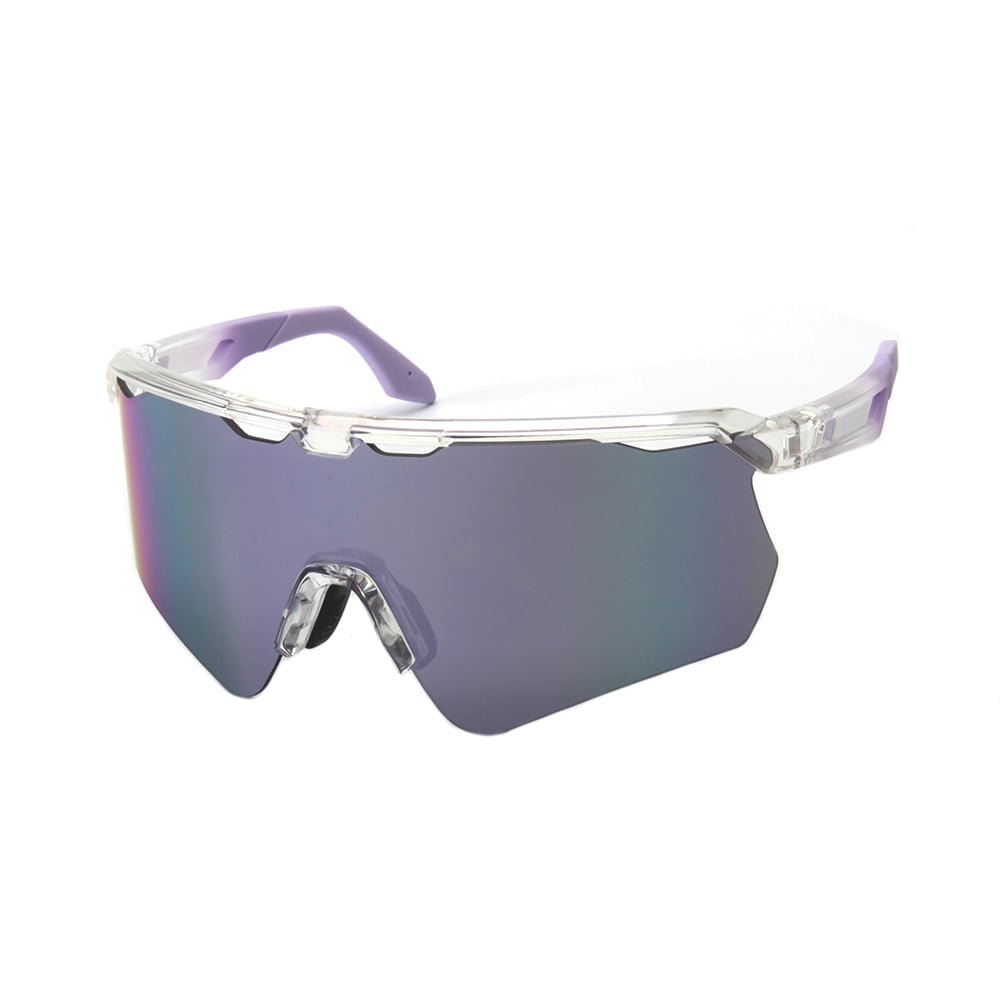
Performance eyewear must balance multiple optical and physical demands that standard eyeglasses cannot meet. Athletic glasses face constant movement, impact potential, sweat exposure, and variable lighting conditions. Understanding the fundamental differences between lens curvature profiles and how they affect field of view ensures athletes choose eyewear that supports their specific sport and playing conditions, whether on the court, track, water, or mountain terrain.
Understanding Lens Curvature in Athletic Glasses
Base Curve and Optical Power Distribution
Lens curvature refers to the spherical or aspheric shape of the lens surface, expressed as base curve in diopters. Athletic glasses typically use higher base curves than everyday eyewear, ranging from 6 to 10 base curve, which wraps the lens more closely around the face. A steeper curve increases wraparound coverage, protects the eye area from wind, debris, and UV radiation, and reduces light reflection at the lens edges. Performance eyewear designers select specific base curves based on the sport's environmental exposure and the athlete's field requirements.
Aspheric Lens Design for Sports Performance
Modern athletic glasses often employ aspheric lens technology, which uses variable curvature across the lens surface rather than a uniform spherical curve. This design reduces visual distortion at the periphery, improves optical clarity across the entire lens, and maintains more stable vision during rapid head and eye movements. Aspheric lenses in performance eyewear help athletes maintain focus on targets while remaining aware of peripheral motion, a critical advantage in sports requiring quick positional changes and threat detection from multiple angles.
Field of View and Peripheral Vision Coverage
Wrap Angle and Visible Coverage Area
Field of view in sports glasses is determined by lens size, lens curvature, and frame geometry. A larger wrap angle creates extended peripheral vision, allowing athletes to track moving objects, opponents, or teammates without shifting their gaze. Sports glasses with aggressive wraparound geometry can achieve horizontal field angles exceeding 140 degrees, compared to 120 degrees or less in standard eyeglasses. This expanded viewing field is particularly valuable in team sports, cycling, motorsports, and outdoor activities where awareness of the surrounding environment is essential for safety and competitive success.
Visual Stability and Distortion Control
Extended field of view in athletic glasses must not compromise optical quality at lens edges. High-quality performance eyewear uses progressive curvature transitions and advanced coating technologies to minimize distortion, color fringing, and visual aberrations. Lens distortion reduces the usability of peripheral vision by making edge-zone images appear warped or misaligned, defeating the purpose of expanded coverage. Top-tier sports glasses employ multi-coated optics and precision manufacturing to ensure that the entire visible area provides accurate, undistorted visual information.
Key Selection Factors for Performance Eyewear
Sport-Specific Optical Requirements
Different athletic disciplines demand different lens curvature and field of view characteristics. Cyclists and runners benefit from aggressive wraparound geometry to shield eyes from wind and maintain situational awareness on the road or trail. Water sports athletes require lens curvature that minimizes water glare while maintaining peripheral vision for hazard detection. Baseball and tennis players need moderate wrap angles combined with high optical clarity for precise ball tracking. Selecting sports glasses requires matching the eyewear geometry to the specific visual demands, threat environment, and performance metrics of your chosen sport.
Comfort and Extended Wear Performance
High base curve athletic glasses must balance protective coverage with comfort during extended wear. Frames manufactured from flexible materials like polycarbonate or TR90 accommodate higher lens curves without creating pressure points or facial discomfort. Proper fit is essential because poorly fitted sports eyewear shifts during activity, creating gaps that allow debris entry and reducing the optical benefits of the wraparound design. Performance eyewear should distribute weight evenly, use non-slip nose pads, and feature adjustable temples to maintain position during dynamic movement and perspiration.
Lens Material and Impact Resistance
Athletic glasses require impact-resistant lens materials to withstand the demands of sports environments. Polycarbonate is the industry standard for performance eyewear because it absorbs impact energy, resists shattering, and provides inherent UV protection. The higher curvature of sports glasses increases the effective impact area, making material selection even more critical. Sports glasses lenses should meet ANSI Z87.1 impact standards or higher, ensuring reliable protection in collision scenarios, flying debris situations, or falls common in athletic activities.
FAQ
How does lens curvature affect comfort in sports glasses?
Higher base curves in athletic glasses create a more aggressive wraparound fit that extends beyond the face profile. This increased curvature can cause discomfort if the frame design doesn't account for proper bridge fit, temple length, and weight distribution. Quality sports eyewear balances high base curves with lightweight materials, padded contact points, and ergonomic frame geometry to ensure comfort during extended wear. Athletes should select performance eyewear with adjustable components and try them during activity simulation before committing to regular use.
Why is field of view important in athletic glasses?
Extended field of view in sports glasses enhances situational awareness, allowing athletes to detect movement, obstacles, and changing conditions without shifting focus. In competitive sports, this peripheral awareness directly impacts reaction time and decision-making speed. Team sport athletes gain strategic advantage by monitoring teammate and opponent positions while maintaining focus on the ball or primary target. Performance eyewear with optimized field of view reduces the visual blindspots common in standard eyeglasses, improving both safety and competitive performance across various athletic disciplines.
What is the difference between base curve and lens prescription in sports eyewear?
Base curve refers to the physical curvature shape of the lens that determines wraparound coverage and field characteristics, while prescription addresses refractive error correction for individual vision needs. Athletic glasses can incorporate both elements simultaneously through custom manufacturing. A high base curve athletic frame can hold prescription lenses if the wearer requires vision correction, though this requires precision optical manufacturing to maintain edge clarity and minimize distortion. Athletes with vision correction needs should consult eyewear specialists about custom performance eyewear options that provide both prescription accuracy and sport-specific optical geometry.



