
 EN
Ventilation Design and Its Role in Sports Eyewear Performance: Manufacturing Considerations for OEM/ODM Projects
Discover how precision ventilation design boosts clarity, durability & performance in OEM/ODM sports eyewear.
Ventilation design stands as one of the most critical yet often overlooked factors in manufacturing high-performance sports eyewear. When athletes wear performance eyewear during intense physical activity, moisture accumulation and heat buildup can severely compromise visibility, comfort, and safety. OEM and ODM manufacturers must carefully engineer ventilation systems that balance airflow management with structural integrity and optical clarity. Understanding these ventilation principles directly influences whether athletic glasses deliver the durability and functionality that end users demand.
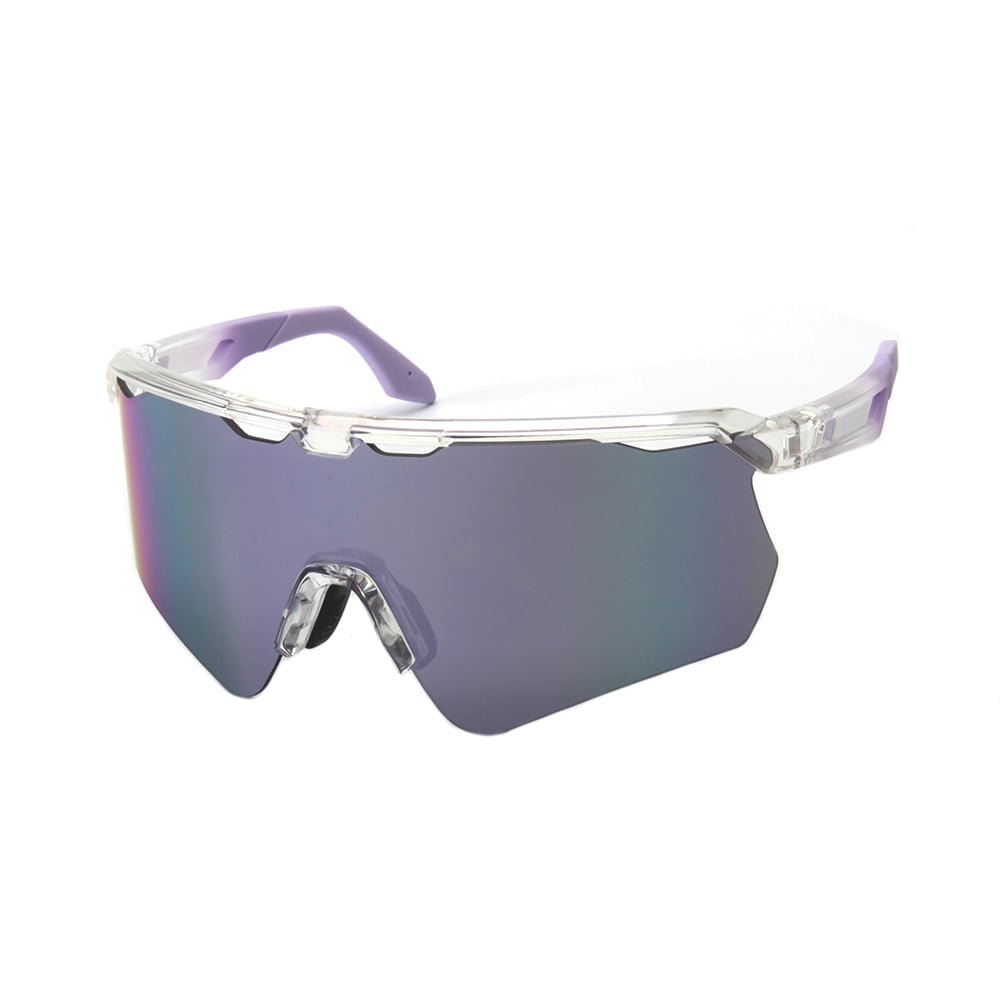
For manufacturers entering the athletic glasses market, ventilation design decisions affect everything from material selection and frame geometry to lens technology and manufacturing tolerances. A well-designed ventilation system reduces fogging, minimizes sweat intrusion, and maintains lens clarity under challenging conditions. This article examines the core ventilation design considerations that OEM and ODM partners must evaluate when developing sports glasses for competitive, recreational, and professional athletes.
Understanding Ventilation Requirements in Athletic Glasses
The Physics of Moisture and Heat in Performance Eyewear
Athletic glasses operate in demanding thermal environments. During high-intensity sports, body heat and perspiration create conditions where moisture naturally condenses on lens surfaces. Performance eyewear must manage both external moisture from sweat and internal moisture from breath and ambient humidity. The challenge intensifies when sports glasses are used in varying climates, from humid tropical conditions to cold alpine environments where temperature differentials accelerate fogging.
Ventilation design addresses this by creating controlled airflow pathways around and between the lens and the face. Effective airflow disperses warm, moisture-laden air away from lens surfaces while allowing cooler ambient air to circulate. This continuous exchange prevents the stagnant, saturated air pockets that cause persistent fogging in poorly designed sports eyewear. Manufacturers must calculate air velocity requirements based on typical activity intensities and expected temperature gradients.
Impact on Athlete Comfort and Performance
Comfort directly translates to performance in athletic glasses. When fogging occurs, athletes lose confidence and sight lines, forcing them to stop, remove the eyewear, or adjust fit during critical moments. Sports glasses with superior ventilation design reduce these interruptions. Athletes can maintain continuous use without performance degradation, which is especially critical in time-sensitive sports like cycling, running, or competitive shooting where uninterrupted vision determines outcomes.
Beyond fogging prevention, ventilation design influences weight distribution and pressure points on the face. Strategic vent placement reduces the sealed-surface area pressing against the skin, decreasing localized sweating and discomfort. This aerodynamic approach to performance eyewear enhances wearability during extended use, encouraging athletes to keep sports glasses on throughout entire sessions rather than removing them intermittently.
Key Manufacturing Considerations for Ventilation Design
Frame Geometry and Vent Placement Strategy
The physical layout of vents in athletic glasses requires precision engineering. OEM and ODM manufacturers typically position vents along the bridge, temple areas, and lateral lens edges where they can be integrated without compromising structural rigidity or lens mounting security. The size, shape, and quantity of vents must be calculated using computational fluid dynamics simulation to ensure adequate airflow under realistic usage conditions.
Different sports glasses designs demand different ventilation approaches. Wraparound designs for cycling or running benefit from multiple small vents distributed across the frame perimeter. Sports eyewear designed for water sports may require sealed vents with drainage channels to prevent water ingress while maintaining air circulation. Manufacturing tolerances become critical here; vents must be consistently produced to specification, as undersized vents reduce effectiveness while oversized vents compromise structural integrity and aesthetic appeal of the athletic glasses.
Material Selection and Durability Integration
The materials chosen for performance eyewear directly affect ventilation performance. Flexible frame materials like TR90 thermoplastic polyurethane allow manufacturers to create articulated vent designs that conform to facial contours while maintaining structural strength. These materials also enable dynamic ventilation features where vent effectiveness changes slightly with frame flex during use.
Durability considerations complicate ventilation design. Vents create stress concentration points in the frame structure, particularly where material transitions from solid sections to open vent areas. Manufacturers must reinforce these zones through material composition, internal ribbing, or strategic geometry modifications to prevent crack initiation at vent edges. Sports glasses must withstand repeated thermal cycling, mechanical impacts, and sweat-induced material degradation without vent-related failures compromising the eyewear's lifespan or safety during use.
Lens Technology and Anti-Fog Integration
Ventilation design works synergistically with anti-fog lens coatings in modern performance eyewear. While ventilation removes moisture sources, specialized hydrophilic coatings ensure that any moisture reaching the lens surface spreads into a transparent sheet rather than forming disruptive droplets. OEM and ODM partners must coordinate ventilation effectiveness with the anti-fog treatment specifications to guarantee optimal combined performance.
Polycarbonate and CR-39 lenses require different ventilation strategies because they have distinct thermal properties and condensation behaviors. Some sports glasses designs incorporate dual-lens systems where vents allow airflow between the outer and inner lens surfaces, creating a microclimate that reduces condensation on the primary viewing surface. This approach requires precise vent sizing to maintain adequate lens separation spacing and prevent lens collision during normal wear.
OEM and ODM Implementation Strategies
Prototyping and Testing Methodology
Successful sports eyewear development requires systematic validation of ventilation design. Manufacturers conduct fog chamber testing where athletic glasses are exposed to temperature and humidity cycles that simulate real-world conditions. Time-to-fog metrics and fog persistence duration provide quantitative data to compare ventilation effectiveness across design iterations. Performance eyewear prototypes are also worn during controlled physical activities where athletes provide qualitative feedback on comfort and visibility maintenance.
OEM and ODM teams use computational modeling to predict airflow patterns before physical prototyping begins, reducing development cycles and material waste. Thermal imaging during testing reveals hotspots where moisture accumulates despite ventilation efforts, guiding refinements to vent placement and sizing. This iterative process balances ventilation performance against manufacturing feasibility and cost considerations inherent in athletic glasses production.
Production Scaling and Quality Control
Transitioning ventilation designs from prototypes to production requires quality control frameworks that maintain vent geometry consistency across high-volume manufacturing runs. Injection molding tools must be precisely engineered to produce vent edges with minimal variation; even slight deviations can accumulate to measurably reduce sports glasses performance. Manufacturers implement visual inspection stations and dimensional sampling protocols to verify that vents meet specifications before eyewear reaches final assembly.
OEM and ODM partners often conduct post-production performance verification where samples from each production batch undergo fog chamber testing to ensure ventilation effectiveness remains consistent. This quality discipline prevents performance degradation that could compromise reputation and customer satisfaction. Sports eyewear must perform reliably across the entire product lifespan, making ventilation design validation an essential component of manufacturing excellence in performance eyewear production.
FAQ
How does ventilation design prevent fogging in athletic glasses?
Ventilation design creates controlled airflow pathways that continuously exchange warm, moisture-laden air from around the lens with cooler ambient air. This active circulation prevents the stagnant air pockets where condensation forms, maintaining lens clarity. Combined with anti-fog coatings, proper ventilation ensures that sports glasses remain fog-free even during high-intensity activities where perspiration and body heat would normally create fogging problems in traditional eyewear.
What manufacturing challenges arise from integrating ventilation into sports eyewear?
Vents create structural stress points in frames, requiring careful material reinforcement and geometry design to maintain durability without compromising performance eyewear functionality. Manufacturers must balance vent sizing to achieve adequate airflow while preventing the frame from becoming too fragile for athletic use. Maintaining dimensional consistency during mass production, coordinating with lens technology specifications, and validating ventilation effectiveness across diverse climate and activity conditions all present technical and operational challenges for OEM and ODM manufacturers.
Why is ventilation design critical for OEM and ODM sports eyewear projects?
Ventilation design directly determines whether athletic glasses deliver the visual clarity and comfort that athletes demand during actual use. Poor ventilation leads to fogging, reduced visibility, and interrupted performance—issues that undermine product credibility and customer satisfaction. For OEM and ODM manufacturers, superior ventilation design becomes a competitive differentiator that justifies premium positioning and ensures reliable product performance across diverse end-use scenarios, ultimately driving customer loyalty and repeat business in the performance eyewear market.



