
 EN
Peripheral Distortion in Wraparound Sports Eyewear Lenses: Quality Control in Production
Discover proven QC methods to detect & eliminate peripheral distortion in production. Improve yield, safety & performance.
Peripheral distortion in wraparound sports eyewear represents one of the most critical quality control challenges in lens manufacturing today. When athletes wear sports eyewear with compromised optical clarity at the lens edges, performance degrades and safety risks increase. Understanding how peripheral distortion develops during production and implementing rigorous quality control measures ensures that sports glasses deliver consistent visual performance across the entire viewing field.
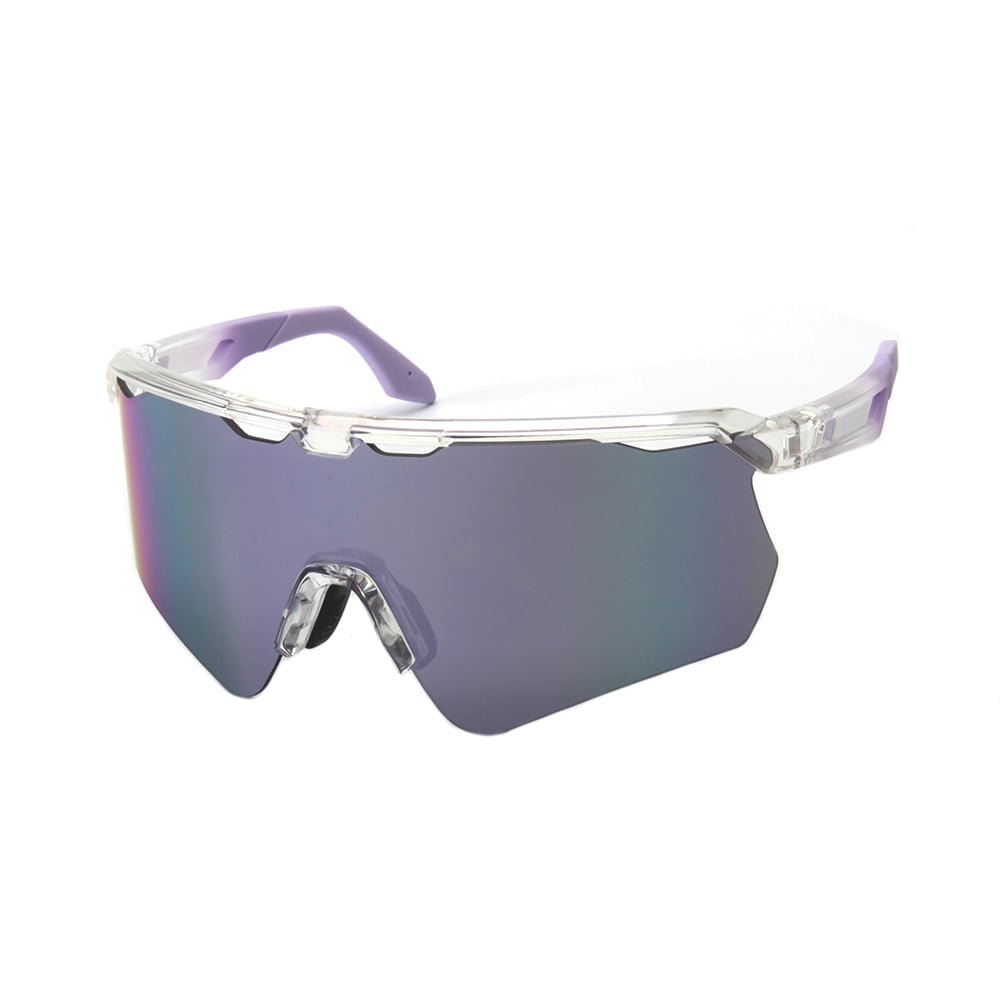
Wraparound sports glasses have become standard in competitive athletics because their curved geometry maximizes field of view and provides superior side protection. However, this curved design introduces manufacturing complexity that directly impacts lens quality. The peripheral regions of wrapped athletic glasses are particularly susceptible to optical aberrations that can impair peripheral vision and create visual discomfort during intense activity. Manufacturers must implement systematic quality control processes throughout production to minimize these defects and ensure every pair meets performance standards.
Understanding Peripheral Distortion in Sports Eyewear Manufacturing
The Physics of Wraparound Lens Geometry
Wraparound sports eyewear relies on curved surfaces to achieve wide visual coverage and optimal protection. Unlike traditional flat lenses, wrapped performance eyewear curves horizontally and vertically to hug the face and extend protection across the peripheral vision zones. This curvature creates unavoidable optical challenges during production because the lens material must be shaped to precise specifications while maintaining consistent refractive properties throughout the entire surface. When manufacturing tolerances drift or material inconsistencies occur, peripheral distortion emerges as aberrations in the outer lens regions where curvature is most pronounced.
The relationship between wrap angle and optical quality determines whether athletic glasses will deliver clear peripheral vision or introduce visual artifacts. Manufacturers must balance aggressive wrap angles that maximize protection with optical requirements that preserve edge clarity. Material selection profoundly influences this balance because different optical materials respond differently to curved molding and surface treatments. Sports glasses manufactured from premium optical materials with superior stability resist peripheral distortion better than lower-grade alternatives, making material quality a foundational control factor.
How Peripheral Distortion Develops During Production
Peripheral distortion in sports glasses typically originates from several interrelated manufacturing processes. During the molding phase, uneven cooling rates across the lens surface cause differential shrinkage that warps the optical geometry, particularly at the edges where performance eyewear curves most aggressively. Temperature fluctuations in the mold cavity directly translate to peripheral aberrations that degrade athletic glasses performance during use. Additionally, improper lens centering during coating application or surface treatment can introduce asymmetrical distortions that concentrate at lens peripheries.
Surface treatments applied to sports eyewear, including anti-reflective coatings, UV protection layers, and hydrophobic finishes, introduce additional complexity. When coating thickness varies across the wrapped lens surface, the refractive index changes unevenly, creating localized distortion zones. Quality control must verify that coating applications maintain uniform thickness across all peripheral regions of athletic glasses. Residual stress in the optical material after heat treatment also contributes to peripheral distortion, particularly in high-curvature sections where material stress concentrates.
Quality Control Methods for Detecting and Reducing Peripheral Distortion
Optical Testing Equipment and Protocols
Modern sports eyewear manufacturers employ sophisticated optical testing systems to identify peripheral distortion before products reach athletes. Automated lensometer technology measures refractive power across the entire lens surface, generating detailed optical maps that reveal distortion patterns in performance eyewear. These systems test athletic glasses across multiple zones including the central vision area, intermediate regions, and the critical peripheral edges where distortion most commonly occurs. By comparing measured optical properties to design specifications, manufacturers identify lenses with unacceptable distortion and remove them from the production line.
Visual inspection under polarized light represents an essential complementary technique for detecting peripheral distortion in sports glasses that automated systems might miss. Trained inspectors examine wrapped lenses for signs of stress patterns, coating irregularities, and optical artifacts that indicate compromised peripheral clarity. This manual inspection step ensures that athletic glasses with subtle optical defects do not reach consumers. Many manufacturers integrate both automated and visual testing into their quality control protocols to achieve comprehensive detection of peripheral distortion across all production batches.
Process Control and Preventive Measures
Controlling peripheral distortion in performance eyewear begins with optimizing the molding process through precise temperature management and mold design refinement. Manufacturers using advanced mold technology with temperature-controlled cavities achieve more uniform cooling rates across wrapped lens surfaces, significantly reducing peripheral aberrations in sports glasses. Implementing staged cooling cycles rather than rapid quenching prevents the differential shrinkage that causes distortion in athletic glasses peripheral zones.
Material selection directly impacts peripheral distortion resistance in sports eyewear manufacturing. Premium optical-grade materials engineered for curved lens applications exhibit superior stability during molding and coating processes compared to standard materials. Many high-performance athletic glasses manufacturers now specify materials with proven low-distortion characteristics, investing in quality raw materials to prevent peripheral issues downstream. This upstream investment reduces scrap rates and warranty claims while delivering superior visual performance to athletes wearing their sports glasses.
Coating application technology also influences peripheral distortion in wrapped sports eyewear. Vacuum deposition systems that maintain uniform coating thickness across curved lens surfaces represent an upgrade from traditional spray methods. These advanced systems ensure that UV protection, anti-reflective properties, and other optical coatings on athletic glasses do not introduce refractive index variations that cause peripheral distortion. Regular calibration and process validation confirm that coating equipment continues delivering the consistency required for distortion-free performance eyewear production.
Production Workflow Integration and Continuous Improvement
Quality Control Checkpoints in Sports Eyewear Manufacturing
Successful peripheral distortion control requires integrating quality checks throughout the entire sports eyewear manufacturing workflow rather than relying solely on final inspection. Early-stage optical testing of molded lenses identifies material or process problems before subsequent manufacturing steps add cost and complexity. This early detection approach allows manufacturers to adjust process parameters and prevent defective performance eyewear from progressing through coating, assembly, and packaging stages. Implementing quality gates at critical junctures—following molding, after coating application, and before final packaging—creates multiple opportunities to catch and eliminate lenses with peripheral distortion.
Statistical process control methods help athletic glasses manufacturers monitor production consistency and predict peripheral distortion trends before they impact product quality. By tracking optical measurements across multiple production runs, manufacturers identify subtle process drift that precedes significant quality problems in sports eyewear. This predictive approach enables proactive process adjustments that maintain peripheral clarity in performance eyewear without waiting for defects to appear in finished products.
Continuous Improvement and Industry Standards Alignment
Leading sports eyewear manufacturers establish continuous improvement programs that systematically reduce peripheral distortion rates across successive production cycles. Regularly analyzing defect data, failure modes, and root causes reveals opportunities to refine molding parameters, upgrade equipment, and improve material specifications in athletic glasses production. Benchmarking against industry standards and competitor performance drives manufacturers to invest in technology and process enhancements that deliver superior optical quality in wrapped sports glasses. This commitment to continuous improvement translates directly to better peripheral vision clarity and enhanced performance for athletes wearing sports eyewear.
FAQ
What causes peripheral distortion in wraparound sports glasses?
Peripheral distortion in wraparound sports eyewear primarily results from uneven cooling during the molding process, material inconsistencies, improper lens centering during coating application, and residual stress in high-curvature lens regions. The aggressive curve geometry of wrapped athletic glasses concentrates manufacturing challenges at the peripheral edges where optical quality is most difficult to control. Temperature fluctuations in the mold cavity and non-uniform coating thickness contribute significantly to peripheral distortion in performance eyewear.
How do manufacturers detect peripheral distortion in athletic glasses?
Manufacturers employ automated lensometer technology that measures refractive power across the entire lens surface, generating optical maps that reveal distortion patterns in sports eyewear. Visual inspection under polarized light complements automated testing by identifying subtle optical artifacts that machines might miss. These combined methods ensure that athletic glasses with unacceptable peripheral distortion do not reach consumers and that performance eyewear meets rigorous optical quality standards.
Can peripheral distortion in sports glasses affect athletic performance?
Yes, significant peripheral distortion in sports eyewear can degrade peripheral vision clarity, create visual discomfort during activity, and potentially compromise safety by reducing awareness of surrounding movement and obstacles. Athletes wearing performance eyewear with compromised optical clarity experience visual fatigue and may perform below optimal levels. This is why rigorous quality control focused on eliminating peripheral distortion is essential for sports glasses manufacturers committed to delivering products that support peak athletic performance.



