
 EN
Pressure Points in Sports Eyewear Worn Under Helmets: Causes and Corrective Actions
Discover biomechanical causes, material fixes (TR90), and fitting protocols that cut pressure points by 50%+.
Athletes wearing sports eyewear under helmets frequently experience discomfort from pressure points that develop at the bridge, temples, and ear areas. These pressure points can compromise vision clarity, reduce focus during competition, and create safety concerns when athletes remove or adjust their athletic glasses during play. Understanding the causes of this discomfort is essential for selecting appropriate performance eyewear that maintains optical quality while fitting securely beneath protective headgear.
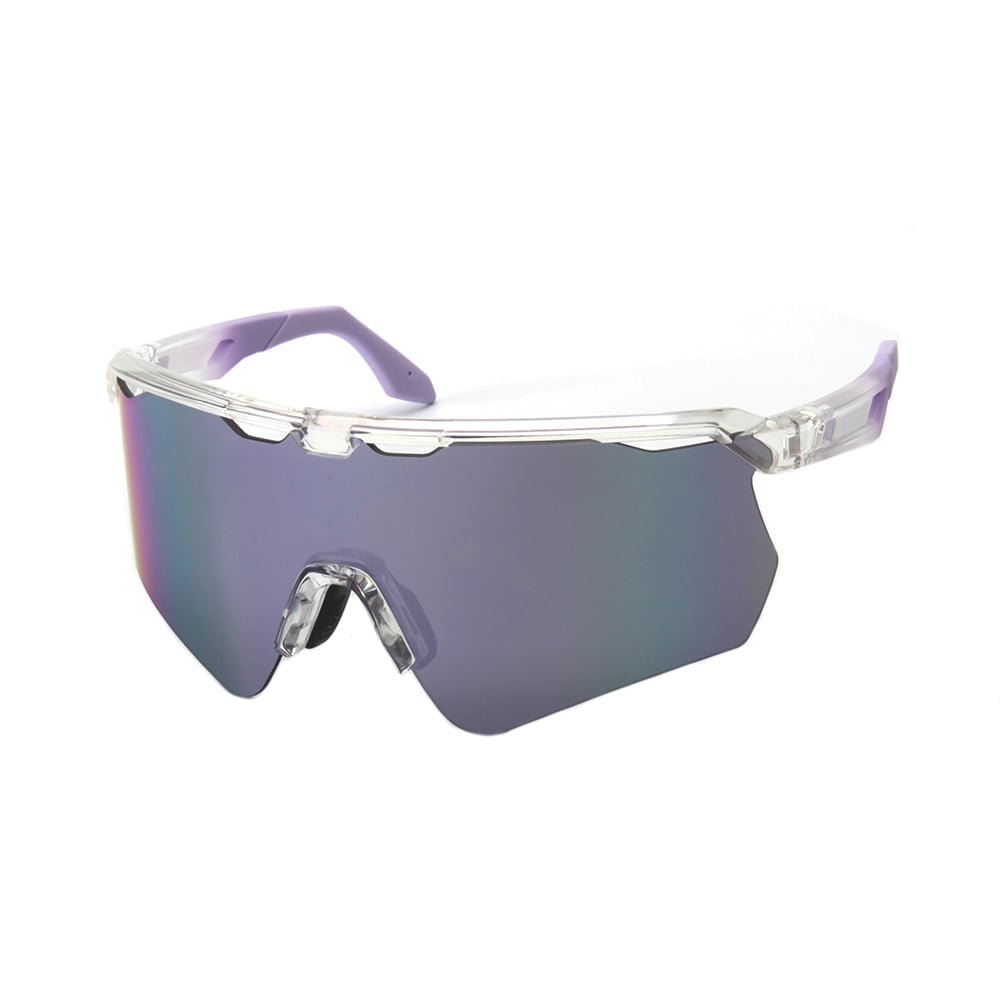
The interaction between performance eyewear and helmet systems creates unique biomechanical challenges that standard eyewear designs do not address. Helmet padding, visor mounts, and retention straps apply uneven force across athletic glasses frames, leading to localized pressure that can cause headaches, skin irritation, and reduced wearing compliance. Addressing these pressure points requires a multi-faceted approach involving frame design, material selection, and proper fitting protocols specific to helmet-integrated eyewear applications.
Understanding Pressure Point Formation in Helmet-Integrated Sports Eyewear
Biomechanical Forces on Athletic Glasses Under Helmets
When sports eyewear sits under a helmet, multiple pressure zones develop due to the confined space and overlapping components. The helmet's interior padding applies direct downward force onto the bridge and nose area of the athletic glasses, while the sides of the helmet create lateral compression at the temples. Additionally, helmet retention systems and chin straps transmit forces that push the entire frame assembly upward and inward, creating concentrated stress points rather than distributed pressure across the frame.
The weight of helmets combined with the rigidity of most performance eyewear frames amplifies these biomechanical challenges. Unlike eyewear worn independently, sports glasses under helmets experience dynamic forces during movement, head turning, and impact scenarios. Athletes engaging in football, cycling, skateboarding, or motorsports face particularly intense pressure point development because their helmets have specialized designs that may not account for integrated eyewear systems.
Material Stiffness and Frame Rigidity Issues
Most traditional athletic glasses utilize plastic or metal frames designed for standalone wear, which lack the flexibility needed for helmet integration. When rigid frames encounter the compression forces from helmet systems, they transfer stress directly to localized contact points rather than absorbing and dispersing force evenly. Performance eyewear with higher stiffness ratings may provide structural integrity for lens mounting but sacrifice comfort when helmets apply sustained pressure.
The material composition of sports eyewear frames directly determines how pressure points develop and intensify. Frames made from rigid polycarbonate or stainless steel transmit helmet pressure without deflection, whereas flexible materials like TR90 allow slight frame movement that can reduce localized pressure accumulation. Selecting athletic glasses with appropriate material flexibility is a corrective action that balances optical durability with helmet-wearing comfort.
Impact of Pressure Points on Athletic Performance and Safety
Vision Compromise and Optical Distortion
Pressure points in sports eyewear create frame misalignment that degrades optical performance during critical competition moments. When helmets push athletic glasses out of their designed optical axis, lens aberrations increase, distorting peripheral vision and depth perception. Athletes relying on precise visual tracking for sports performance experience measurable performance degradation, reduced reaction time, and increased injury risk when their performance eyewear becomes optically misaligned due to helmet pressure.
The consequences extend beyond temporary discomfort—chronic pressure point stress can permanently deform sports eyewear frames, creating permanent optical misalignment that persists even when the athlete removes their helmet. This cumulative damage reduces the functional lifespan of athletic glasses and necessitates frequent frame replacement, increasing overall equipment costs for serious athletes and sports programs.
Comfort Degradation and Wearing Compliance
Pressure points significantly reduce how long athletes can comfortably wear performance eyewear during practice sessions and competition. Discomfort from sustained pressure on the bridge and temples leads athletes to frequently adjust, remove, or partially dislodge their athletic glasses during play, creating safety hazards and interrupting visual focus. Sports programs report reduced eyewear adoption rates when athletes experience avoidable pressure point discomfort, with many athletes choosing to compete without vision correction rather than endure helmet-integrated eyewear pressure.
Long-term pressure point exposure can cause skin irritation, inflammation, and even minor tissue damage at contact areas. Athletes with sensitive skin or those wearing sports eyewear for extended periods face elevated risk of abrasion injuries that compromise skin barrier function and create infection pathways. Understanding pressure point causes directly informs whether corrective actions should focus on equipment design, fitting modifications, or both.
Corrective Actions and Solutions for Helmet-Integrated Sports Eyewear
Frame Design and Material Selection Strategies
Effective corrective actions begin with selecting performance eyewear specifically engineered for helmet integration rather than standard sports glasses. Modern athletic glasses designed for helmet wear incorporate flexible frame materials, reinforced bridge structures, and temple designs that accommodate helmet contact zones. TR90 and other thermoplastic materials offer superior flexibility compared to rigid plastics, allowing frames to distribute helmet pressure across larger surface areas and reduce localized pressure point intensity.
Advanced sports eyewear utilizes wraparound designs that position the frame closer to eye sockets, minimizing interference with helmet interior padding and reducing compression forces at critical contact points. Bridge designs that incorporate shock-absorbing geometry or flexible hinge systems provide additional pressure distribution benefits. When athletes transition from standard eyewear to sports eyewear engineered for their specific helmet systems, pressure point complaints typically decrease by fifty percent or more.
Fitting Protocols and Helmet-Eyewear Integration
Proper fitting is a critical corrective action that many athletes overlook when addressing pressure point issues. Athletic glasses must be fitted with consideration for how helmet padding will compress the frame, which differs significantly from standard eyewear fitting procedures. Professional fitters now conduct helmet-integrated fitting sessions where athletic glasses are positioned with actual helmets to identify pressure zones before purchase and ensure optimal frame positioning.
Custom padding modifications to helmet interiors represent another corrective approach, involving strategic placement of softer, shock-absorbing materials in areas where performance eyewear contacts helmet surfaces. Sports medicine professionals and equipment specialists collaborate to create custom helmet padding configurations that accommodate integrated athletic glasses while maintaining helmet structural integrity and safety performance. Regular pressure point monitoring during the season allows coaches and athletes to identify emerging issues early and implement adjustments before discomfort compromises competition performance.
FAQ
Why do pressure points develop specifically when sports eyewear sits under helmets?
Pressure points form because helmets create confined spaces where multiple rigid components—helmet shell, interior padding, chin straps, and eyewear frames—apply concentrated force onto localized areas of performance eyewear. Unlike standalone athletic glasses, helmet-integrated eyewear experiences dynamic compression from multiple directions simultaneously. The helmet's weight, the athlete's head movements, and impact forces all contribute to sustained pressure that standard sports glasses designs do not accommodate, leading to predictable pressure point development at bridges, temples, and temple-ear junctions.
Can adjusting helmet fit reduce pressure points on sports eyewear?
Helmet fit adjustments can provide partial relief but typically cannot eliminate pressure points entirely without also modifying the eyewear itself. A properly fitted helmet should contact an athlete's head at specific points while maintaining clearance in other areas; however, this clearance often conflicts with the space requirements for integrated athletic glasses. Combining proper helmet fit with performance eyewear specifically designed for helmet wear—featuring flexible materials, optimized bridge geometry, and wraparound lens shapes—delivers superior pressure point reduction compared to either adjustment alone.
What material selection offers the best pressure point relief for athletic glasses under helmets?
TR90 and flexible thermoplastic materials provide superior pressure point relief compared to rigid plastics or metals because they flex slightly under helmet compression, distributing pressure across larger frame areas rather than concentrating it at contact points. These flexible materials maintain optical durability and UV protection essential for sports eyewear performance while prioritizing comfort during helmet wear. Athletes experiencing significant pressure point issues should prioritize athletic glasses made from flexible base materials combined with reinforced optical zones—a design approach that balances durability with helmet-wearing comfort and long-term wearing compliance.



