
 EN
Verifying Filtering Claims on Blue Light Glasses Orders: Practical Quality Control Steps
Discover 5 practical, lab-validated QC steps to verify claims, prevent returns, and protect your brand. Start auditing today.
Verifying filtering claims on blue light glasses orders requires systematic quality control procedures that go beyond visual inspection. When purchasing computer glasses or anti blue light eyewear in bulk, confirming that products meet advertised blue light blocking specifications is essential for customer satisfaction and brand reputation. This article outlines practical, actionable quality control steps that help manufacturers, distributors, and retailers validate the performance claims of blue light blocking glasses before they reach end users.
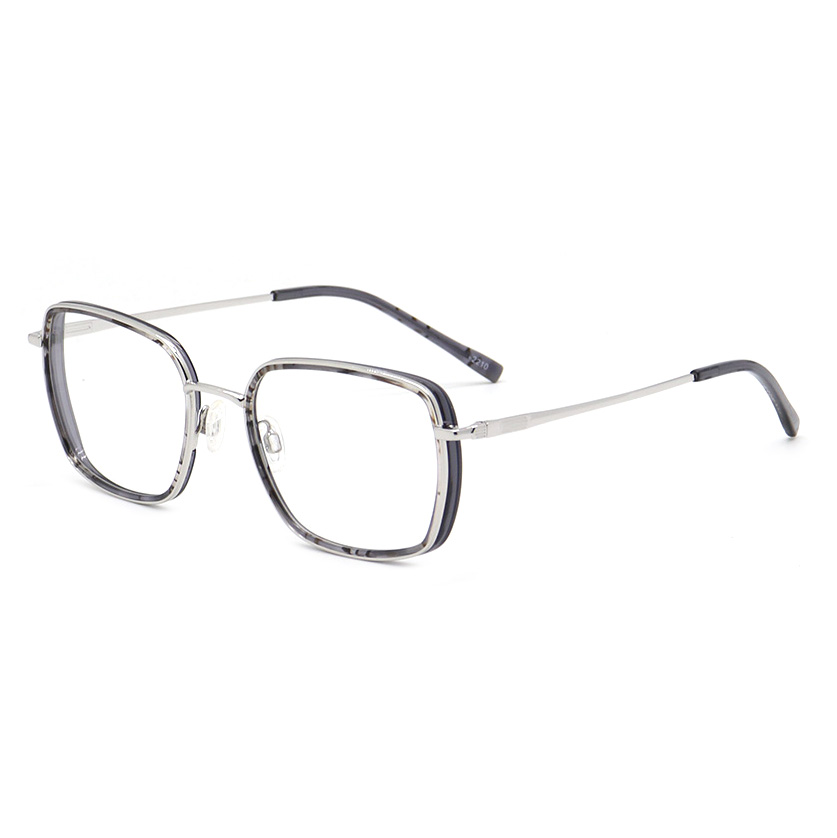
Implementing rigorous verification protocols ensures that anti blue light eyewear orders deliver measurable blue light filtering performance. Whether you manage a wholesale eyewear operation, retail network, or e-commerce platform, understanding how to test and document blue light blocking glasses claims protects your business from returns, complaints, and reputation damage. The steps outlined here are applicable across supply chain positions and help establish objective, repeatable quality benchmarks.
Understanding Blue Light Filtering Specifications
Defining Measurable Performance Standards
Every blue light glasses order should reference specific filtering percentages or wavelength ranges. Blue light blocking glasses typically claim to filter between 50% and 90% of blue light in the 380–500 nanometer range, though specifications vary by manufacturer and product line. Computer glasses designed for screen use often target 400–450 nanometers, where maximum blue light emission occurs. Before quality control begins, document the exact filtering claim from the order specification, purchase agreement, or product datasheet.
Anti blue light eyewear claims must distinguish between blue light blocking and blue light reduction. Blocking typically means filtration at specific wavelengths, while reduction refers to overall intensity decrease. Understanding this distinction prevents miscommunication and ensures that your quality control methods align with the advertised performance. Request technical documentation from the supplier that specifies which measurement standard applies to your blue light glasses order.
Comparing Claims Across Product Lines
Different computer glasses formulations deliver varying levels of blue light filtering. Some anti blue light eyewear uses amber-tinted lens coatings that absorb blue light, while others employ reflective coatings that redirect it. Each technology produces different filtering curves across the blue light spectrum. When verifying a large blue light glasses order, confirm whether all units share identical specifications or if the shipment includes multiple performance tiers that require separate quality assessment protocols.
Establishing Practical Testing Procedures
Optical Transmission Measurement
The most objective method for verifying blue light blocking glasses performance is spectrophotometry, which measures light transmission across specific wavelengths. This technique involves placing a sample of your blue light glasses into a spectrophotometer and comparing transmitted light percentages against the advertised claim. Computer glasses samples should be tested at 380–500 nanometers to capture the full blue light spectrum. For anti blue light eyewear orders, request that testing occurs at the exact wavelengths listed in product documentation.
Many quality control laboratories offer spectrophotometric analysis for blue light glasses at reasonable cost, particularly for bulk orders. The test produces a transmission curve showing exactly how much light passes through at each wavelength, providing objective proof that your blue light blocking glasses meet specifications. Document the results for each batch or production run to establish compliance records and identify quality consistency issues across the entire order.
Visual and Physical Inspection
Before sending blue light glasses samples to optical labs, perform visual inspection to ensure lens clarity, coating consistency, and absence of defects. Anti blue light eyewear with amber or brown tints should display uniform coloration across both lenses without streaks, bubbles, or discoloration. Computer glasses frames must be free of cracks, warping, or assembly misalignment. These visual checks quickly identify production defects that would compromise optical performance of the blue light blocking glasses regardless of filtering capability.
Check lens surfaces under bright light at multiple angles to detect coating inconsistencies. Anti blue light eyewear sometimes exhibits uneven coating thickness, which can reduce filtering effectiveness in affected areas. For significant blue light glasses orders, inspect samples from multiple boxes or shipment sections to confirm quality consistency across the entire batch. Document any defects photographically and compare them against acceptable quality standards established in your supplier agreement.
Comparative Testing Against Control Samples
Maintain reference samples of known-good anti blue light eyewear that previously met your quality standards. When new blue light glasses arrive, compare the candidate samples side-by-side against the control samples under identical lighting conditions. While visual comparison alone cannot replace spectrophotometry, it provides quick screening to identify gross performance differences. If new computer glasses appear substantially less amber-tinted or show different optical characteristics than established control samples, this signals potential specification variance worth investigating through laboratory testing.
Implementing Documentation and Supplier Communication
Creating Quality Control Checklists
Develop a standardized checklist for each blue light glasses order that documents visual inspection results, optical testing outcomes, and compliance status. The checklist should include fields for batch number, production date, sample count tested, filtering percentage verified, and any deviations detected. Computer glasses quality documentation should reference the specific anti blue light eyewear specification claimed and confirm whether the blue light blocking glasses met, exceeded, or fell short of that standard. Use these checklists to build quality history that informs purchasing decisions and supplier performance ratings.
Include in your documentation the names and contact information of laboratory services used for testing, test methodology employed, and the date testing occurred. For large blue light glasses shipments, photograph representative samples alongside test results to create a visual record. This documentation becomes invaluable if quality disputes arise or if you need to demonstrate due diligence in sourcing blue light blocking glasses that accurately represent advertised filtering claims.
Managing Supplier Relationships
Communicate your quality control procedures to suppliers when placing blue light glasses orders, making clear that verification testing will occur on arrival. Reputable anti blue light eyewear manufacturers welcome this scrutiny and may provide pre-shipment test reports demonstrating that their computer glasses meet specifications. If supplier-provided documentation differs from your independent testing results, request clarification about methodology differences or potential batch variations. Establishing transparent quality dialogue prevents misunderstandings and signals to the supplier that you maintain rigorous standards for blue light blocking glasses verification.
For ongoing relationships, negotiate supplier agreements that specify acceptable tolerance ranges for blue light glasses filtering performance and establish procedures for handling non-compliant shipments. Clear contractual language regarding anti blue light eyewear specifications, testing procedures, and remedies for underperforming computer glasses protects both parties and reduces quality disputes. Document supplier responses to quality issues to inform future sourcing decisions about blue light glasses suppliers.
FAQ
What filtering percentage should quality control target for blue light glasses?
This depends on the specific product claim and market positioning. Budget computer glasses might claim 50–60% filtering, while premium anti blue light eyewear often claims 80–90%. Your quality control process should verify that actual blue light glasses performance matches whatever percentage the supplier advertised. Request the exact specification from the product datasheet before testing begins, and reject any blue light blocking glasses that fall significantly short of the stated claim without documented explanation from the manufacturer.
Can visual inspection alone verify blue light glasses claims?
Visual inspection provides useful initial screening for defects but cannot reliably verify filtering performance of anti blue light eyewear. Color intensity does not always correlate precisely with blue light blocking capability. Computer glasses with identical amber appearance might filter different percentages of blue light depending on lens material and coating technology. For definitive verification, spectrophotometric testing by a qualified optical laboratory is the objective standard that confirms blue light glasses meet specifications and protects your quality reputation.
How often should blue light glasses orders be tested?
Test every shipment or production batch of blue light blocking glasses if possible, or establish a statistical sampling protocol for very large orders. Computer glasses from new suppliers should receive 100% sample testing until quality consistency is established. For established anti blue light eyewear suppliers with proven compliance history, testing every third or fourth shipment may be acceptable if previous results show consistent performance. Document your sampling strategy and adjust frequency based on observed quality patterns to balance cost against risk.



