
 EN
Blue Light Glasses Lens Specification Sheets: Planning Considerations for Buyers and Brands
Learn how wavelength filtering, VLT%, coatings & certifications separate premium lenses from marketing hype.
Understanding lens specifications for Blue Light Glasses is essential for brands and buyers making informed purchasing decisions. The market for blue light blocking glasses has expanded significantly as digital device usage continues to rise across industries and consumer segments. Whether you're sourcing eyewear for retail distribution, private label development, or personal use, knowing how to read and interpret lens specification sheets ensures you select products that meet actual performance requirements, not just marketing claims.
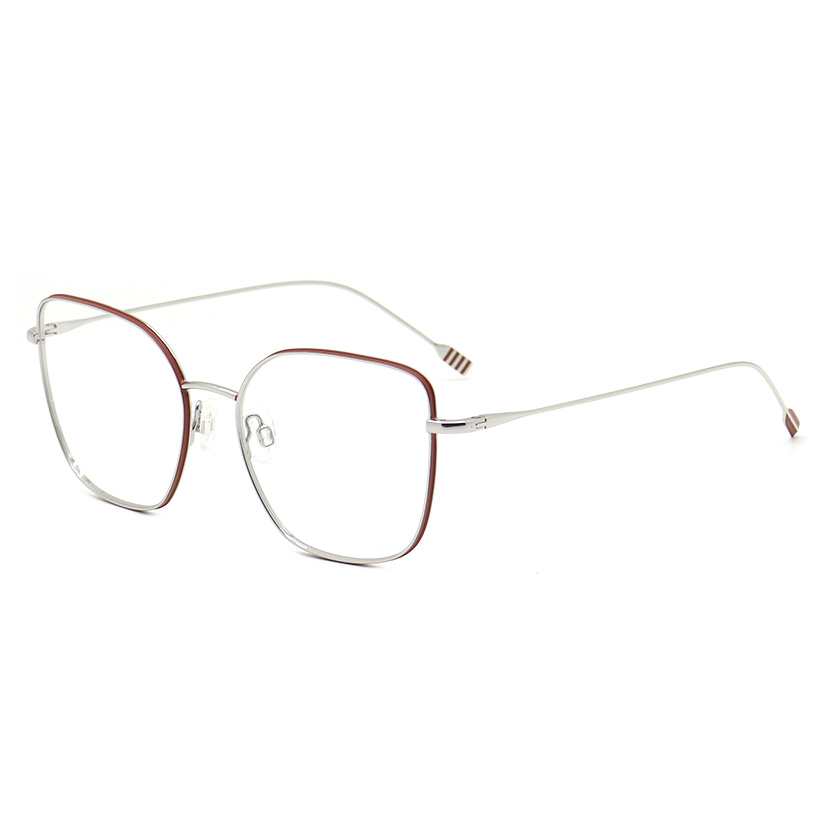
Specification sheets for blue light blocking glasses provide technical data that separates genuine optical products from unreliable alternatives. These documents detail filtering wavelengths, transmission rates, lens materials, coatings, and optical quality metrics that directly impact wearer comfort and digital eye strain reduction. For procurement teams and brand managers, learning to navigate computer glasses specifications prevents costly quality issues, ensures regulatory compliance, and builds customer confidence in your product offerings.
Key Lens Specification Components
Light Filtering Technology and Wavelength Range
The foundation of any blue light blocking glasses specification is the wavelength range targeted by the lens. Most blue light eyewear filters light in the 380–500 nanometer range, though the most problematic blue wavelengths for sleep disruption occur between 460–480 nanometers. Specification sheets should clearly indicate the specific range your blue light glasses address, not just a vague claim about filtering blue light. Premium anti blue light eyewear identifies whether filtering technology targets all visible blue wavelengths or focuses on the high-energy blue range that affects circadian rhythm.
Reputable computer glasses specifications will include transmission curves showing light passage at different wavelengths. This data matters because aggressive filtering that removes too much blue light can create unnatural color distortion, while minimal filtering may not provide meaningful digital eye strain relief. Understanding transmission percentage—the amount of light passing through the lens at specific wavelengths—helps you assess whether the blue light blocking glasses balance optical clarity with adequate protection.
Lens Material and Optical Quality Metrics
Material selection significantly impacts both performance and cost for blue light glasses production and sourcing. Specification sheets detail whether lenses use polycarbonate, trivex, glass, or specialized optical-grade plastic. Each material offers different advantages for blue light blocking glasses: polycarbonate provides impact resistance at lower cost, trivex offers superior optics in lightweight form, and specialized materials may include integrated filtering at the molecular level. Anti blue light eyewear specifications should also note the refractive index, abbe value, and thickness tolerances that determine optical clarity and chromatic aberration levels.
For computer glasses, astigmatism correction capability and prism adjustment capacity appear in detailed specifications. These metrics ensure that blue light blocking glasses deliver sharp vision across the entire lens, not just the center. When evaluating specification sheets for sourcing or brand development, examine tolerance ranges for optical power, as poorly controlled tolerances can result in eye strain even with excellent blue light filtering.
Coating Technologies and Durability Specifications
Anti-Reflective and Protective Coatings
Blue light glasses specifications always address coating layers applied to lenses, as coatings fundamentally affect filter performance and durability. Anti-reflective coatings for blue light blocking glasses reduce reflections that can cause the lens to appear dark or create glare, which ironically can worsen digital eye strain. Premium computer glasses feature multi-layer coatings that simultaneously reduce blue light transmission, minimize reflections, resist scratches, and repel smudges. Specification sheets typically break down coating composition, thickness, adhesion ratings, and performance under standard wear testing.
Durability specifications for anti blue light eyewear include scratch resistance ratings (typically ASTM F659), oleophobic coating performance measured by water and oil droplet contact angles, and UV protection levels. High-quality blue light glasses maintain coating integrity through repeated cleaning and daily use; specification sheets should detail testing protocols and failure thresholds. When sourcing computer glasses, distinguish between surface coatings applied post-production and coatings integrated during lens molding—integrated approaches typically offer superior durability and consistent blue light blocking across the lens lifespan.
Color Tint and Transmission Specifications
Visible color and tint intensity directly correlate with blue light blocking effectiveness in blue light glasses. Specification sheets quantify tint through VLT (Visible Light Transmission) percentage, indicating how much visible light passes through the lens. Blue light blocking glasses with 50% VLT appear noticeably amber or brown, while 85% VLT lenses look nearly clear. Computer glasses designed for daytime office use typically target 75–90% VLT to maintain color neutrality, while evening computer glasses may specify 40–60% VLT for stronger circadian protection.
Anti blue light eyewear specifications should include chromaticity data showing the exact color coordinates of the tinted lens. This ensures consistency across production batches and helps brands and buyers predict whether the blue light glasses will create unacceptable color shifts in digital design work, photography, or color-sensitive industries. Neutral-tint computer glasses that filter blue light without obvious yellow or brown appearance command premium pricing because the engineering complexity increases significantly.
Performance Standards and Certification Data
Optical Standards and Industry Compliance
Legitimate blue light blocking glasses specifications reference adherence to optical standards such as ISO 12312-1, ISO 8980 series, or regional equivalents that define refractive power tolerances, optical quality, and safety requirements. Reputable computer glasses manufacturers specify whether their products meet FDA optical device standards, European CE marking requirements, or other regulatory frameworks. Specification sheets for blue light glasses should clearly state any certifications achieved, testing laboratories involved, and validation dates. This information protects brands and buyers from products making unsupported claims or failing to meet legal obligations in their target markets.
Performance testing data in anti blue light eyewear specifications typically includes visual acuity metrics, contrast sensitivity results, and reduction in digital eye strain symptoms measured through clinical studies. Premium blue light blocking glasses cite peer-reviewed research or controlled trials supporting effectiveness claims. When evaluating computer glasses specifications, distinguish between manufacturer-funded studies and independent third-party testing—both have value, but independent verification adds credibility to product claims and supports your brand positioning with customers.
Manufacturing and Quality Control Tolerances
Detailed specifications for blue light glasses include manufacturing tolerances that directly impact product consistency and customer satisfaction. Refractive power tolerance, prism alignment, lens center thickness variation, and chromatic aberration limits all appear in comprehensive specification sheets. Anti blue light eyewear manufacturers specify acceptable ranges for blue light transmission consistency across different lens positions, ensuring that the blue light blocking performance remains effective regardless of where the wearer looks through the lens. Computer glasses specifications should detail quality control checkpoints, rejection criteria, and testing frequency that protect against defects reaching end users.
For sourcing teams and brands, understanding manufacturing specifications helps set realistic expectations for production costs, lead times, and minimum order quantities. Tighter tolerances and more rigorous quality testing increase production time and cost but deliver superior products that strengthen brand reputation and reduce return rates for your blue light glasses offerings.
FAQ
What specific blue light wavelengths do most blue light blocking glasses filter?
Most blue light glasses filter wavelengths between 380–500 nanometers, with emphasis on the 460–480 nanometer range where high-energy blue light most significantly disrupts sleep cycles. The exact filtering range varies by product design and manufacturer philosophy—some computer glasses target broader blue spectrum coverage, while others focus precision filtering on circadian-disrupting wavelengths. Reading the specification sheet reveals which approach your chosen anti blue light eyewear uses and helps determine whether filtering intensity matches your intended use case, whether for daytime office work or evening screen use.
How do I know if blue light blocking glasses specifications indicate quality manufacturing?
Quality specifications for blue light glasses include specific optical power tolerances, detailed coating layer descriptions, reference to industry standards like ISO 8980, and results from independent testing or clinical validation. Specification sheets for premium computer glasses list manufacturing checkpoints, rejection criteria, and testing protocols rather than vague quality assurances. Look for anti blue light eyewear specifications that cite peer-reviewed research, third-party lab testing, and clear documentation of refractive index, abbe value, and chromatic aberration limits. Manufacturer transparency about production tolerances and quality controls signals confidence in blue light blocking glasses performance and reliability.
Can specification sheets help me choose between different blue light glasses brands or suppliers?
Yes—comprehensive specification sheets enable objective comparison of blue light blocking glasses across suppliers by providing quantified data on filtering wavelength, VLT percentage, material composition, coating durability, and certification status. Rather than relying on marketing claims, you can compare actual specifications for computer glasses optical quality, blue light transmission curves, and performance testing results. For brands and buyers, requesting detailed specifications levels the playing field and reveals whether suppliers invest in genuine anti blue light eyewear engineering or simply apply cosmetic blue tints. Specification review helps identify suppliers whose blue light glasses align with your quality standards, regulatory requirements, and target market expectations.



