
 EN
Lens Coating vs Lens Substrate Filtering in Blue Light Glasses: Manufacturing Considerations for OEM/ODM Projects
Compare durability, cost, timelines & ROI for OEM/ODM projects. Download manufacturing decision framework.
The optical eyewear industry faces a critical manufacturing decision when developing blue light glasses for modern consumers. Choosing between lens coating and lens substrate filtering represents one of the most significant technical and economic considerations in blue light blocking glasses production. This distinction directly impacts product performance, durability, cost structure, and ultimately market competitiveness for OEM and ODM projects. Understanding these two fundamental approaches allows manufacturers to align product specifications with customer expectations and project budgets.
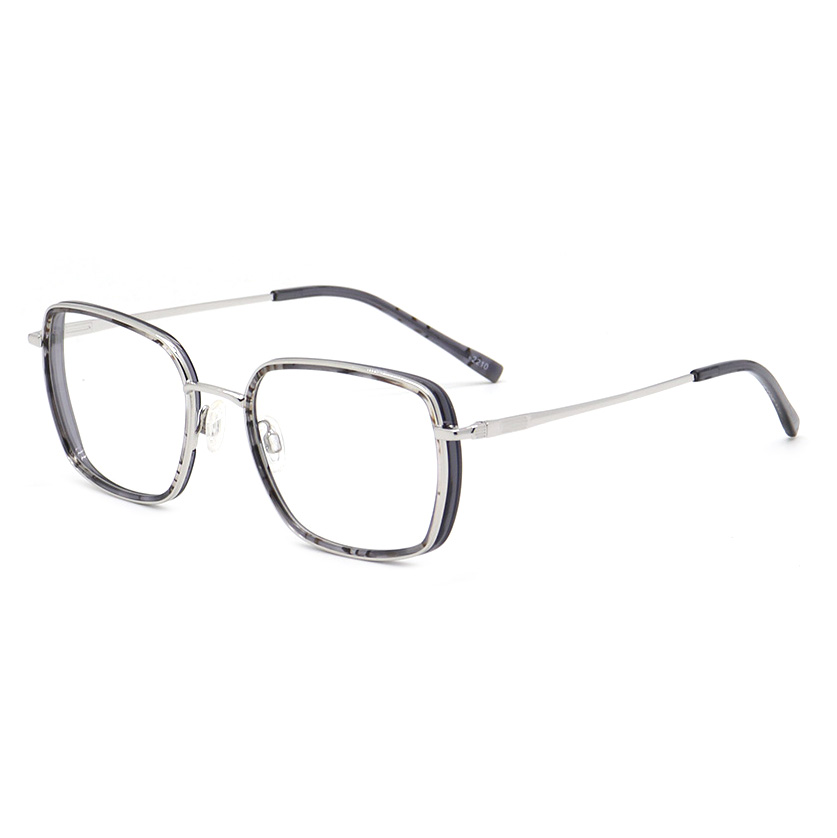
Both lens coating and substrate filtering serve the same fundamental purpose: reducing blue light transmission to the eye. However, the engineering pathways, manufacturing workflows, quality control protocols, and long-term durability profiles differ substantially. For OEM and ODM manufacturers evaluating production feasibility, cost implications, and scalability, this comparison demands careful technical analysis and business alignment with brand partners.
Lens Coating Technology in Blue Light Blocking Glasses
Lens coating represents the traditional and most widely adopted approach in anti blue light eyewear manufacturing. This process applies a specialized optical coating layer directly onto the lens surface, typically during the lens finishing stage. The coating consists of multiple thin film layers engineered to reflect or absorb specific wavelengths in the blue spectrum, generally between 380 and 500 nanometers. Manufacturers apply coatings through vacuum deposition, chemical vapor deposition, or wet coating processes, depending on substrate material and production volume requirements.
Advantages of Lens Coating for Manufacturing
Lens coating offers substantial manufacturing flexibility and cost advantages for blue light blocking glasses production. Coating can be applied to finished lenses regardless of substrate material, enabling manufacturers to work with existing CR39, polycarbonate, or high-index materials without substrate reformulation. This compatibility accelerates time-to-market and reduces research and development investment. Additionally, coating thickness and optical properties can be adjusted without changing the underlying lens substrate, allowing rapid product iteration and customization for different customer specifications. The process integrates seamlessly into established OEM and ODM production lines, minimizing capital equipment expenditure and workforce retraining requirements. Computer glasses and other blue light blocking glasses variations can be produced using the same base lens materials with different coating specifications, maximizing manufacturing agility.
Durability and Maintenance Challenges
Despite manufacturing advantages, lens coatings face inherent durability limitations that affect long-term product satisfaction and warranty claims. Coatings gradually degrade through lens cleaning, exposure to environmental moisture, temperature fluctuations, and chemical contact with skin oils and cleaning solutions. Scratches, abrasions, and adhesion failures create visible surface damage that compromises both optical performance and product aesthetics. Warranty periods for coated blue light glasses typically range from one to two years, substantially shorter than uncoated substrate-based alternatives. Manufacturers must establish clear customer communication regarding proper lens care, as improper cleaning techniques accelerate coating degradation. This maintenance sensitivity increases customer support burden and potential return rates, particularly in consumer-facing channels.
Lens Substrate Filtering in Anti Blue Light Eyewear
Substrate filtering integrates blue light blocking capabilities directly into the lens material itself during manufacturing. This approach involves modifying the base lens composition by introducing pigments, dyes, or specialized materials that inherently absorb or filter blue light wavelengths. The filtering capability becomes a permanent property of the lens substrate rather than a surface treatment, fundamentally altering the manufacturing approach and long-term performance characteristics of computer glasses and other anti blue light eyewear products.
Integration During Lens Production
Substrate-based filtering requires intervention earlier in the manufacturing pipeline, during lens material formulation or casting stages. Manufacturers add blue light filtering agents directly to raw lens materials before lens molding or casting occurs. This integration approach ensures uniform distribution of filtering properties throughout the entire lens volume, eliminating surface-level vulnerabilities associated with coatings. The filtering capability cannot be scratched away or degraded through external contact, providing superior long-term durability compared to coated solutions. However, substrate modification demands careful material chemistry management, rigorous quality control during formulation, and potential recertification of lens materials for optical performance and safety standards. OEM and ODM partners must invest in material development and validation before achieving production-scale implementation.
Cost and Scalability Considerations
Substrate filtering typically involves higher initial material and development costs compared to coating approaches. Modifying lens base formulations requires chemist expertise, extensive testing protocols, and regulatory compliance verification across multiple markets. For blue light blocking glasses manufacturers committed to long-term market presence, these upfront investments create competitive advantages through superior product durability and reduced warranty claims. Once substrate formulations are validated and production processes established, manufacturing costs per unit can achieve parity with coated alternatives at high volumes. Substrate filtering scales efficiently in large-scale ODM production scenarios where baseline material volumes justify formulation customization and process optimization. Computer glasses and specialized anti blue light eyewear produced using substrate filtering command premium pricing relative to coated alternatives, directly reflecting extended durability and reduced maintenance requirements.
OEM and ODM Decision Framework for Manufacturing
Selecting between coating and substrate filtering requires comprehensive evaluation of project parameters, business constraints, and market positioning objectives. Manufacturers must assess production volume commitments, timeline requirements, budget allocation, quality standards, and long-term brand partnership expectations. Higher-volume projects with extended timelines and premium positioning typically justify substrate filtering investment and engineering complexity. Lower-volume, time-sensitive projects may benefit from rapid coating implementation using existing manufacturing infrastructure. The choice fundamentally shapes product development roadmap, competitive differentiation, and customer satisfaction profiles.
Performance and Quality Alignment
Blue light glasses performance validation requires standardized testing protocols regardless of filtering methodology. Manufacturers must measure blue light transmission rates, verify optical clarity, confirm color fidelity, and validate eye comfort characteristics. Coated solutions typically achieve blue light reduction between 50 and 90 percent, depending on coating specification and application precision. Substrate filtering often delivers more consistent performance profiles, ranging from 60 to 95 percent reduction, with minimal variance between individual units. These performance differences directly influence customer perception of anti blue light eyewear effectiveness and brand reputation. OEM partners demanding consistent performance across production batches may prefer substrate filtering, despite higher engineering complexity. Computer glasses manufacturers targeting professional and gaming segments often pursue substrate filtering to differentiate products and justify premium positioning.
Production Timeline and Market Entry Strategy
Coating-based production enables rapid market entry within 6 to 12 weeks, making this approach ideal for time-sensitive brand launches and emerging market opportunities. Substrate filtering requires 4 to 9 months for material development, validation, and production optimization, demanding longer commitment horizons. Manufacturers evaluating quick-launch scenarios with established suppliers should prioritize coating technology. Partners committed to market leadership and sustainable competitive advantage invest in substrate filtering development, even accepting extended timelines. The manufacturing decision ultimately reflects strategic positioning, capital availability, and risk tolerance across OEM and ODM partnerships.
FAQ
What is the primary difference between coating and substrate filtering in blue light blocking glasses?
Lens coating applies a treatment layer to the finished lens surface, while substrate filtering integrates blue light blocking properties directly into the lens material during manufacturing. Coatings offer rapid implementation but face durability challenges, whereas substrate filtering provides permanent blue light reduction but requires longer development timelines and higher initial investment.
Which blue light glasses technology offers better long-term durability for OEM projects?
Substrate filtering delivers superior long-term durability since blue light blocking properties are embedded within the lens material itself and cannot be scratched or degraded through cleaning or environmental exposure. Coating-based computer glasses typically require warranty periods of one to two years, while substrate-filtered blue light glasses can maintain performance for five or more years with minimal degradation.
How do manufacturing timelines and costs differ between these anti blue light eyewear approaches?
Lens coating enables faster production with lower upfront development costs, supporting quick market entry within weeks. Substrate filtering requires 4 to 9 months for development and higher initial material investment, but achieves cost parity at high volumes and reduces long-term warranty expenses. The optimal choice depends on project timelines, production volume commitments, and brand positioning strategy.



