
 EN
How Transmittance Data Is Measured for Blue Light Glasses: A Technical Guide for Eyewear Buyers
Learn how spectrophotometry & ISO 8980 standards objectively measure lens transmittance—so you can verify real performance.
Understanding how transmittance data is measured for Blue Light Glasses is critical for eyewear buyers seeking genuine optical quality and protection claims. Transmittance data reveals exactly how much light—particularly blue light—passes through a lens, making it the most objective measure of lens performance. Without understanding these measurements, buyers often fall victim to marketing claims unsupported by actual optical science. This technical guide walks you through the measurement standards, testing procedures, and practical interpretation of transmittance data so you can evaluate blue light blocking glasses with confidence.
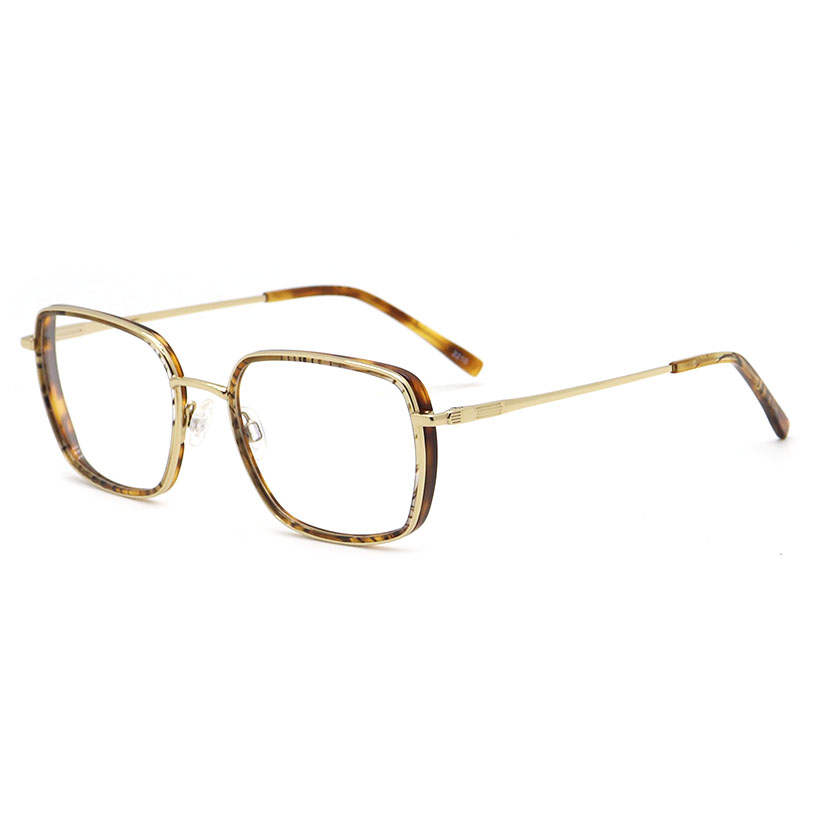
Transmittance is a fundamental optical property that quantifies the fraction of incident light that passes through a material. For computer glasses and anti blue light eyewear, transmittance specifically measures how much visible light—and critically, how much blue light in the 380–500 nanometer wavelength range—travels through the lens without being blocked or reflected. The measurement is expressed as a percentage: a 50% transmittance value means half the light passes through, while the other half is absorbed or reflected. This distinction matters enormously because blue light blocking glasses marketed with vague 'UV protection' claims often hide weak actual performance metrics.
Understanding Transmittance Standards and Measurement Units
Transmittance for blue light glasses is measured using spectrophotometry, a laboratory technique that shines light across the entire visible spectrum through a lens sample and records exactly how much emerges on the other side. The standard measurement wavelength for blue light spans 380–500 nanometers, with particular focus on the peak blue-turquoise range around 460 nanometers where maximum eye strain occurs. Reputable manufacturers of computer glasses and anti blue light eyewear publish spectrophotometric curves—detailed graphs showing transmittance at each wavelength—rather than single percentage claims.
Key Measurement Parameters
Blue light blocking glasses are evaluated across several transmittance dimensions. Luminous transmittance measures the total visible light passing through, typically expressed at 380–780 nanometers. Blue light transmittance isolates the 380–500 nanometer range to show specific blue-blocking effectiveness. Some manufacturers also report transmittance at 460 nanometers specifically, the wavelength most associated with circadian disruption and eye fatigue. High-quality anti blue light eyewear typically shows 20–40% transmittance in the blue range—meaning 60–80% of blue light is blocked—while maintaining 70–90% luminous transmittance to preserve natural color perception.
International Testing Standards
Legitimate computer glasses are tested according to ISO 8980 standards, which establish protocols for measuring optical properties of eyewear. These standardized methods ensure that transmittance data from different manufacturers can be compared meaningfully. The ISO framework specifies the exact light source geometry, angle of incidence, and wavelength measurement intervals to eliminate variation caused by different testing equipment or procedures. When evaluating blue light blocking glasses, checking whether the manufacturer cites ISO compliance provides confidence that transmittance numbers are not arbitrarily chosen.
The Testing Process and Data Interpretation
The measurement of transmittance in anti blue light eyewear begins with lens sample preparation and calibration of the spectrophotometer against known reference standards. A calibrated spectrophotometer generates light across the full visible spectrum and measures how much light emerges after passing through the lens sample at multiple angle conditions to account for real-world wearing positions. The resulting data produces a transmittance curve—a graph showing percentage transmission at each wavelength from 380 to 780 nanometers.
What Spectrophotometric Curves Reveal
When examining transmittance data for blue light glasses, the spectrophotometric curve tells a detailed story about actual performance. A well-designed blue light blocking glasses curve shows a pronounced dip in the 380–500 nanometer region—indicating strong blue light blocking—while maintaining relatively flat, high transmittance in the 550–780 nanometer range, which preserves reds and yellows for natural color perception. Poorly designed computer glasses exhibit either erratic curves suggesting inconsistent filtering, or flat curves across all wavelengths indicating minimal selective blue blocking. Reading these curves requires understanding that the goal is selective wavelength blocking, not uniform darkening.
From Raw Data to Practical Metrics
Manufacturers convert raw spectrophotometric data into practical metrics that communicate performance to buyers of anti blue light eyewear. The most useful metrics include weighted transmittance in defined ranges—such as 'blue light transmittance of 25% in the 380–500 nm range'—and color rendering index values showing how accurately colors appear through the lens. Some computer glasses manufacturers also report melatonin suppression potential, an index estimating how much the lens reduces circadian-disrupting effects based on transmittance at critical wavelengths. Understanding these conversions helps buyers distinguish between meaningfully blocked blue light glasses and marketing fiction.
Practical Guidance for Evaluating Blue Light Glasses
As an eyewear buyer, demanding transmittance data before purchase separates quality blue light blocking glasses from ineffective products. Request the complete spectrophotometric curve or at minimum the specific transmittance percentages in the blue range, luminous range, and ideally at the critical 460-nanometer wavelength. Reputable manufacturers of computer glasses and anti blue light eyewear provide this data openly because their products perform; evasive manufacturers relying on vague claims typically have data they wish to hide.
Comparing Products Using Transmittance Specifications
When comparing blue light glasses from different suppliers, transmittance data provides an objective basis for decision-making rather than relying on brand promises or design aesthetics. A product claiming '80% blue light blocking' should show transmittance around 20% in the 380–500 nanometer range when tested to ISO standards. Compare anti blue light eyewear by examining whether blue range transmittance is significantly lower than luminous transmittance—the differential indicates selective blue blocking rather than simple darkening. Also verify that the manufacturer specifies the exact wavelength range tested; claims about 'full spectrum blue light blocking' lack scientific meaning since blue light is defined by specific nanometer boundaries.
Red Flags in Transmittance Claims
Several warning signs indicate unreliable transmittance data in computer glasses marketing. Claims of 'over 95% blue light blocking' without supporting spectrophotometric curves should trigger skepticism—such extreme blocking typically sacrifices visible light transmission to impractical levels. Marketing language like 'advanced blue light technology' or 'proprietary filtering' without accessible technical specifications suggests the manufacturer has something to hide. Similarly, retailers selling blue light blocking glasses without offering to share independent test reports likely represent products without verified transmittance performance. Legitimate anti blue light eyewear manufacturers publish technical documentation because transparency builds trust among informed buyers.
FAQ
What transmittance percentage indicates effective blue light blocking in computer glasses?
Effective blue light blocking glasses typically show 15–40% transmittance in the 380–500 nanometer range, meaning 60–85% of blue light is blocked. This range balances meaningful protection with acceptable luminous transmittance, usually 70–90%, to maintain natural vision and color perception. Transmittance below 15% in the blue range often indicates excessive filtering that may cause color distortion or eye strain from inadequate visible light. The optimal transmittance for anti blue light eyewear depends on individual use cases, with higher blocking recommended for late-evening screen use and lower blocking for daytime wear.
How does transmittance data for blue light glasses differ from UV protection ratings?
Transmittance data specifically measures how much light passes through a lens at defined wavelengths, providing precise optical performance information about blue light blocking glasses. UV protection ratings, by contrast, measure blocking of ultraviolet light (280–380 nanometers), which is completely different from visible blue light (380–500 nanometers). Many computer glasses marketed with '100% UV protection' offer minimal actual blue light blocking, creating misleading impressions about their benefits for digital eye strain. True anti blue light eyewear requires independent transmittance specifications for the visible blue range, not just UV certifications.
Why should eyewear buyers request spectrophotometric curves for blue light glasses?
Spectrophotometric curves provide the complete technical picture of how blue light blocking glasses actually perform across the entire visible spectrum, revealing whether filtering is selective or indiscriminate. A curve shows exactly which wavelengths are blocked and which remain transparent, enabling informed comparison between computer glasses products and verification that marketing claims match optical reality. Without curves, buyers rely solely on manufacturer assertions, which often prioritize sales language over accuracy. Demanding transmittance data shifts purchasing power toward honest anti blue light eyewear makers and away from those relying on exaggeration.



