
 EN
Why Some Blue Light Glasses Fail Filtering Tests: Causes and Prevention in Manufacturing
Discover the 6 manufacturing flaws causing blue light glasses to fail filtering tests—and how to prevent costly quality failures. Strengthen QC now.
Blue light glasses have become increasingly popular in modern workplaces, yet many manufacturers encounter unexpected failures during filtering tests that should validate their anti blue light eyewear performance. These failures represent a critical challenge in the eyewear industry, often resulting in costly production delays, quality assurance complications, and damaged reputation. Understanding why blue light glasses fail filtering tests is essential for manufacturers committed to delivering reliable computer glasses that actually protect users from harmful blue light exposure during extended screen time.
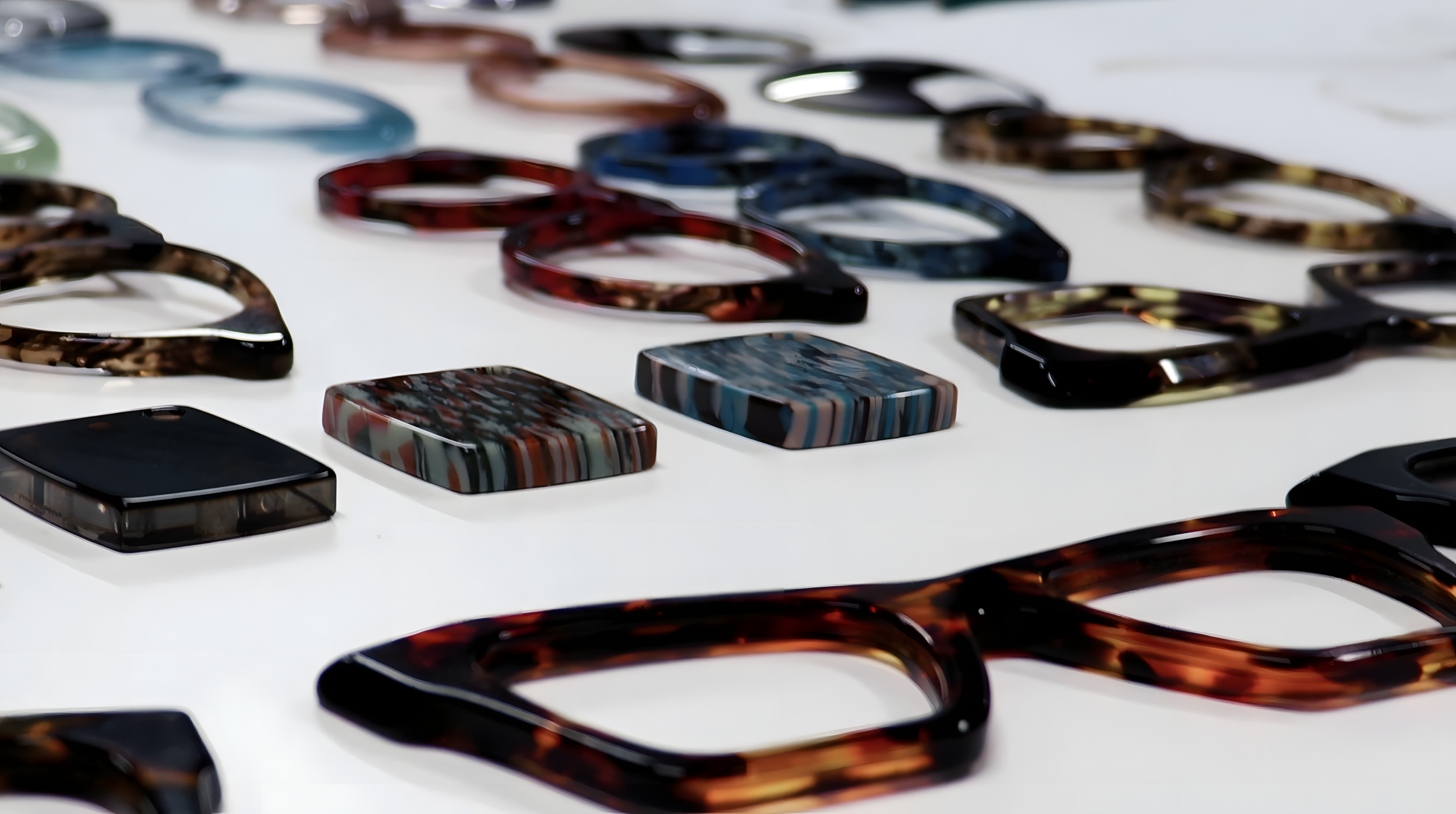
The manufacturing process for blue light blocking glasses involves multiple precision steps, from lens material selection through coating application and final quality verification. When tests reveal that computer glasses fail to meet specified blue light filtering thresholds, manufacturers must trace root causes across their entire production chain. This article examines the primary reasons why blue light glasses fail filtering tests, explores prevention strategies, and provides actionable guidance for manufacturers seeking to strengthen their quality control systems.
Material and Coating Defects in Anti Blue Light Eyewear Production
Inadequate Lens Material Selection
The foundation of effective anti blue light eyewear starts with selecting appropriate lens material that naturally blocks or absorbs blue light wavelengths. Many manufacturers choose low-cost polycarbonate or standard plastic materials that lack sufficient blue light blocking properties without additional treatment. When these materials are used as the primary component in blue light blocking glasses without proper anti-reflective or absorptive coatings, the resulting computer glasses consistently fail filtering tests. The lens material must possess either inherent chromatic properties or be designed to accept specialized coatings that target the 380–500 nanometer blue light spectrum.
Coating Application Inconsistencies
Even when high-quality lens materials are selected, defective coating application represents a leading cause of blue light glasses failing filtering tests. Uneven coating thickness, incomplete coverage, or improper curing of anti-reflective or absorptive coatings dramatically reduces filtering effectiveness. Manufacturers often rush production timelines or use outdated equipment that cannot maintain precise coating specifications across entire lens batches. Blue light blocking glasses require uniform coating layers typically measured in micrometers, and any deviation allows excess blue light to pass through, causing the eyewear to fail standard filtering tests. Temperature control during coating and curing phases also influences coating quality, and manufacturing facilities without climate-controlled application areas frequently produce defective anti blue light eyewear.
Quality Control and Testing Methodology Failures
Inadequate Pre-Production Testing Protocols
Many manufacturers of computer glasses establish testing procedures that are either too lenient or fundamentally misaligned with actual filtering performance requirements. Blue light glasses should be tested using spectrophotometric equipment capable of measuring light transmission across the full visible spectrum, particularly the critical 380–500 nanometer blue light range. Manufacturers using simplified testing methods or relying on outdated equipment often fail to detect subtle coating defects that only become apparent during rigorous third-party certification testing. Anti blue light eyewear intended for high-protection applications should undergo testing at multiple checkpoints throughout production, not just at final assembly. This staggered testing approach helps manufacturers identify and correct issues before entire batches of defective blue light blocking glasses reach customers.
Batch Variance and Statistical Control Gaps
Blue light glasses produced in large manufacturing batches frequently exhibit performance variance that goes undetected without robust statistical quality control methods. Manufacturers who test only random samples from each batch risk missing systematic defects that affect entire production runs. When anti blue light eyewear fails filtering tests, the root cause often traces to insufficient statistical monitoring that would have revealed trending performance degradation. Computer glasses manufacturers must implement control charts, trend analysis, and defined acceptable quality levels that trigger corrective action before entire batches of defective product reach market. Without these statistical frameworks, blue light blocking glasses can fail filtering tests even when individual production steps appear to function correctly in isolation.
Environmental and Equipment Calibration Issues
Environmental Contamination and Storage Problems
Manufacturing environments that lack proper contamination control frequently produce blue light glasses prone to filtering test failures. Dust, moisture, chemical residue, and fingerprints on lens surfaces can interfere with coating performance and alter blue light filtering properties. Anti blue light eyewear stored in humid or temperature-unstable environments may experience coating degradation before reaching customers, causing the computer glasses to fail post-delivery filtering tests. Manufacturers must maintain controlled storage conditions with consistent temperature and humidity levels to preserve the optical properties of blue light blocking glasses after production. Even minor environmental deviations can compromise the integrity of thin-film coatings that are essential for effective blue light filtering.
Testing Equipment Calibration and Maintenance
The accuracy of filtering tests depends critically on proper calibration and maintenance of testing equipment used to verify blue light glasses performance. Spectrophotometers, photometers, and other optical testing instruments drift out of calibration over time, leading to false positives or negatives in filtering test results. Manufacturers who fail to calibrate their testing equipment regularly may incorrectly pass defective anti blue light eyewear or reject conforming computer glasses batches. This calibration gap creates confusion throughout quality assurance, as blue light blocking glasses that failed internal testing may actually perform acceptably, or vice versa. Regular calibration against known standards and documented maintenance schedules are critical for ensuring reliable test results that accurately reflect the true filtering capabilities of blue light glasses.
Process and Supply Chain Integration Failures
Supplier Material Inconsistency
The anti blue light eyewear supply chain depends on consistent material quality from lens suppliers, coating manufacturers, and component providers. When suppliers deliver lens materials or coatings that deviate from specifications without adequate notification, blue light glasses produced downstream will fail filtering tests. Computer glasses manufacturers often lack visibility into supplier quality systems and may unknowingly incorporate substandard materials into production batches. Implementing supplier qualification programs, conducting incoming material inspection, and establishing clear specification agreements helps prevent defective blue light blocking glasses from entering production. Documentation of supplier batches and traceability systems enable manufacturers to quickly identify the source of filtering test failures when they occur.
Process Documentation and Knowledge Transfer
Manufacturing facilities with incomplete process documentation or poor knowledge transfer between shifts and team members frequently produce blue light glasses with inconsistent filtering performance. Operators unfamiliar with critical parameters for coating application, curing time, or equipment settings may deviate from established procedures, resulting in anti blue light eyewear that fails filtering tests. Computer glasses production requires precise adherence to documented specifications, and manufacturers must invest in training, visual work instructions, and auditing systems to ensure consistent execution. When blue light blocking glasses begin failing tests, investigation often reveals that process steps were skipped, modified without authorization, or performed incorrectly due to gaps in operator knowledge or communication.
FAQ
What specific blue light wavelengths should blue light glasses block?
Blue light glasses should effectively block or filter the 380–500 nanometer wavelength range, with particular emphasis on the 415–455 nanometer range where harmful blue light primarily concentrates. High-quality anti blue light eyewear typically achieves 50–90% blocking efficiency across this spectrum, depending on intended use. Computer glasses designed for all-day screen exposure should demonstrate consistent blocking performance throughout the entire blue light range rather than selectively blocking narrow portions of the spectrum.
How often should manufacturers calibrate filtering test equipment?
Manufacturers should calibrate spectrophotometers and optical testing equipment at least quarterly, or more frequently if equipment is used continuously in high-volume production environments. Monthly recalibration checks against known standards help identify drift before significant measurement errors accumulate. Blue light glasses and anti blue light eyewear testing equipment must maintain calibration certificates documented by accredited calibration facilities to ensure test result validity and regulatory compliance.
Can blue light blocking glasses be salvaged if they fail initial filtering tests?
Some defective blue light glasses may be correctable through recoating or additional treatment processes, but salvage viability depends on the specific failure cause and the extent of defects. Computer glasses with coating thickness issues may sometimes be recoated successfully, while anti blue light eyewear with material defects typically cannot be repaired economically. Most manufacturers implement scrap or rework protocols that define which types of filtering test failures permit remediation versus require complete batch rejection.



