
 EN
Improving Packaging Protection for Reading Glasses Shipments: Practical Quality Control Steps
Discover 7 practical quality control steps for presbyopic glasses packaging—material selection, shock absorption, inspection & more.
Protecting reading glasses during shipment requires a systematic approach to quality control and careful handling. When customers order readers or presbyopic glasses online, they expect the product to arrive in perfect condition, free from scratches, cracks, or misalignment. Poor packaging can result in damaged inventory, negative customer reviews, increased return rates, and significant financial losses. Understanding and implementing practical quality control steps ensures that your readers reach their destination intact and maintains your brand reputation.
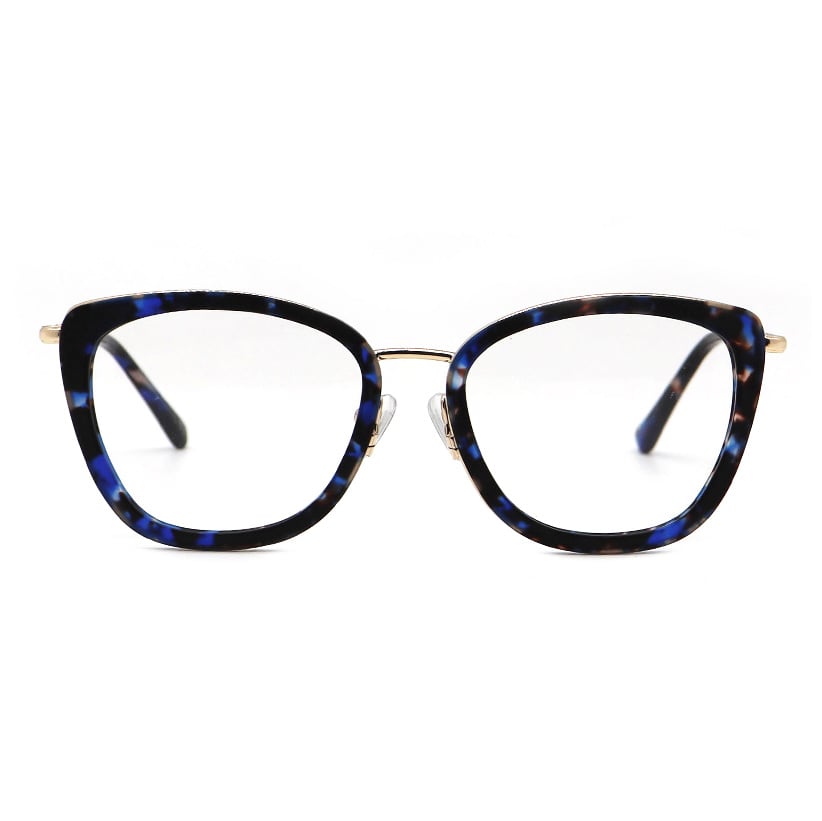
The packaging strategy for presbyopic glasses and magnifying glasses differs from standard eyewear because readers often include stronger prescriptions and delicate lens coatings. A comprehensive quality control framework covers material selection, protective layering, shock absorption, moisture management, and final inspection protocols. This guide walks through each critical step to ensure your reading glasses shipments meet industry standards and customer expectations.
Material Selection and Protective Layering
Choosing the Right Inner Packaging Materials
The first line of defense for readers and presbyopic glasses begins with inner packaging materials. Soft microfiber cloths protect the lenses from scratches and should be included with every pair. Tissue paper or foam inserts cushion the frames and prevent movement inside the case. For magnifying glasses with larger lenses, consider specialized lens protectors that fit individual lens dimensions. Hard plastic shells or cardboard sleeves provide structural support without adding excessive weight, keeping shipping costs reasonable while maintaining protection standards.
Selecting Appropriate Outer Packaging
Outer packaging for reading glasses must balance durability with cost efficiency. Corrugated cardboard boxes rated for the product's weight category provide reliable protection during transit. For premium or high-value presbyopic glasses, consider double-wall corrugated boxes that absorb impact better. The box dimensions should accommodate inner packaging without leaving excessive empty space, which can cause the reading glasses to shift during handling. Rigid boxes with protective padding compartments work well for bulk shipments of readers and magnifying glasses, ensuring each pair remains isolated and protected throughout the supply chain.
Shock Absorption and Structural Integrity
Implementing Cushioning Strategies
Shock absorption is critical because presbyopic glasses and magnifying glasses experience multiple impact events during shipping, including drops, rough handling, and vehicle vibrations. Foam padding around the inner case containing reading glasses should be at least one inch thick on all sides. Air pillows, crinkled paper, or specialized cushioning materials fill empty spaces and prevent movement. The case itself containing the readers should sit on a cushioned base inside the outer box, not directly against the cardboard. Testing your packaging setup by dropping sealed boxes from waist height reveals whether your protection measures work effectively.
Reinforcing Critical Points
Specific areas of reading glasses need extra attention during shipping. The bridge of the frame and the hinge areas are stress points where presbyopic glasses and readers often crack under pressure. Apply additional padding around these vulnerable zones within the inner case. For magnifying glasses with heavier lenses, ensure the frame support is reinforced inside the protective case. Sealed compartments that isolate the reading glasses from direct contact with box walls prevent corner impacts from reaching the product. Edge protection using foam guards or corner protectors on the outer box itself provides an additional layer of defense.
Quality Control Inspection and Testing
Pre-Shipment Inspection Procedures
Every shipment of reading glasses, readers, and presbyopic glasses requires a standardized inspection protocol before leaving your facility. Verify that the inner case is properly secured with protective padding on all sides. Check that the lenses on the magnifying glasses and readers are clean and free from defects before packaging. Ensure that all components, including case documentation and cleaning cloths, are included. A quality control checklist covering material integrity, seal strength, and compartment security prevents common mistakes that damage products during transit.
Testing and Documentation
Implement drop tests on sample shipments to validate your packaging design for reading glasses and presbyopic glasses. Document results including whether the readers remained secure, if lenses sustained damage, and whether any frame misalignment occurred. Environmental testing for moisture and temperature sensitivity is important if your shipments travel through variable climates. Maintain detailed records of any damaged inventory to identify patterns and adjust your quality control process. Random audits of completed shipments catching magnifying glasses or readers still in transit verify that your team consistently follows the established packaging standards.
FAQ
What is the best way to protect reading glasses lenses during shipment?
The most effective method combines microfiber cloth wrapping, foam inserts around the case, and sealed compartments within protective boxes. Each pair of readers should be individually wrapped in soft cloth before being placed in a protective case. The case containing your presbyopic glasses should then be surrounded by at least one inch of shock-absorbing material inside the outer shipping box. This layered approach prevents direct contact between magnifying glasses lenses and hard surfaces while absorbing impact from drops and rough handling.
How can I reduce packaging costs while maintaining reading glasses protection?
Optimize outer box dimensions to fit your readers and presbyopic glasses without excessive empty space, reducing material costs. Use single-wall corrugated boxes for lighter glasses while reserving double-wall boxes for premium or bulk shipments. Bulk purchasing of foam padding and cushioning materials lowers per-unit costs for packaging magnifying glasses and reading glasses. Standardizing your packaging design across product variants simplifies production and reduces waste. Strategic placement of protection materials in high-impact zones rather than uniform padding everywhere maintains quality while minimizing expense.
How often should I test my reading glasses packaging quality control process?
Conduct drop tests monthly on sample shipments of readers and presbyopic glasses to verify packaging integrity. Perform full audits of your packaging procedure quarterly or whenever you introduce new suppliers or materials. After any significant damage incidents, immediately test your current setup for magnifying glasses and reading glasses to identify the failure point. Regular documentation of damage rates helps track whether your quality control steps are effectively protecting products. Seasonal changes in shipping routes or carrier handling may also warrant additional testing of your readers and presbyopic glasses protection methods.



