
 EN
Foldable vs Standard Reading Glasses: Key Differences for Buyers
Confused between foldable and standard reading glasses? Compare portability, durability, lens stability & cost to choose the right presbyopic solution. Get expert buying tips now.
Choosing between foldable and standard reading glasses requires understanding how each design serves different needs and lifestyles. Readers come in many forms, and the distinction between foldable and fixed frames has significant implications for convenience, durability, and long-term value. Whether you spend your day at a desk or constantly move between locations, the type of reading glasses you select will impact how often you actually use them and how well they protect your vision.
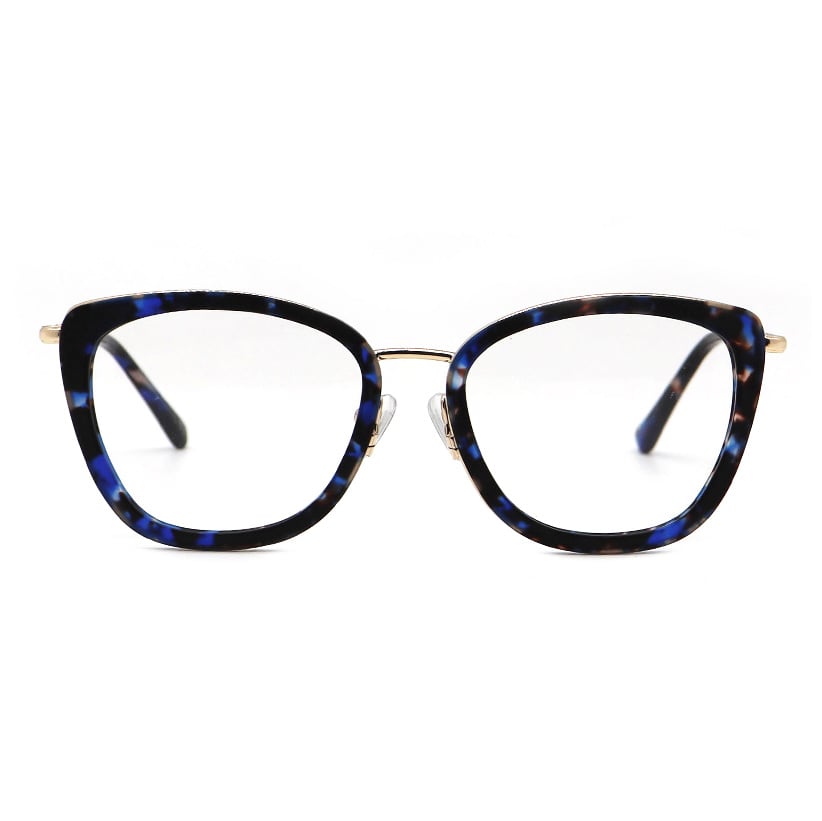
For presbyopic glasses users, the choice between these two formats is not merely aesthetic. Portability, storage, maintenance, and lens performance all vary based on design structure. Understanding these differences empowers you to make an informed decision that aligns with your daily routine, workplace environment, and personal preferences.
Design and Structural Differences
Foldable Reading Glasses Construction
Foldable Reading Glasses feature hinged temples that collapse inward, compressing the overall frame footprint by approximately fifty percent. This design includes reinforced joints and specialized spring mechanisms that allow repeated folding without compromising structural integrity. The bridge area is typically reinforced with stainless steel or titanium to withstand the stress of constant opening and closing. Lens coatings on foldable readers must be particularly durable since the folding action places additional pressure on the glass or plastic surfaces.
Standard Reading Glasses Structure
Standard presbyopic glasses maintain fixed temple angles and a conventional frame shape that never collapses. These readers typically offer simpler construction with fewer moving parts, translating to lower manufacturing complexity and reduced maintenance requirements. The bridge connection remains static, and temple hinges operate only at standard angles. This simplicity often results in stronger overall frame integrity and easier adjustment when needed, since there are no folding mechanisms to preserve.
Portability and Convenience Features
Carrying and Storage Solutions
Foldable readers excel in portability, fitting easily into coat pockets, desk drawers, or travel bags without requiring a protective case. Professionals who rotate between office and home environments often prefer foldable magnifying glasses because they eliminate the bulk of standard frames. Users can slip readers into small spaces or store multiple pairs without occupying significant shelf or drawer real estate. Many workplaces benefit from having foldable readers available because they consume minimal storage space in shared work areas.
Accessibility During Daily Activities
Standard reading glasses remain the preferred choice for stationary activities because they sit consistently on your face without adjustment. Once positioned properly, fixed presbyopic glasses stay stable during reading, computing, or detailed work. Users do not need to manage folding or unfolding, reducing the chance of accidental damage during repeated opening and closing. For individuals who wear readers for extended periods at a single location, the lack of moving parts provides psychological comfort and reliability.
Performance and Durability Considerations
Lens Stability and Optical Precision
Standard magnifying glasses offer superior optical consistency because the lens position never changes relative to the frame structure. Prescription lenses remain perfectly aligned, and multi-focal designs maintain precise distance zones without shifting. Foldable readers introduce microscopically small variations each time the frame closes and reopens, though modern manufacturing tolerances make this difference imperceptible for most users. High-end readers from reputable manufacturers maintain excellent optical quality regardless of whether they fold or remain fixed.
Long-Term Wear and Frame Longevity
Standard readers typically exhibit longer operational lifespans because fixed designs eliminate repetitive stress on hinges and joints. The absence of folding mechanisms means fewer components can fail or wear out over time. Foldable presbyopic glasses require periodic inspection of hinge mechanisms to ensure springs remain functional and joints stay secure. Users who handle their readers carelessly may prematurely damage folding frames, whereas standard glasses rarely suffer damage unless dropped or sat upon with force. Investment-minded buyers often choose fixed frames for better long-term value despite higher initial cost.
Decision Framework for Buyers
Lifestyle and Work Environment Factors
Your primary use case determines which reading glasses format makes sense. Professionals who work exclusively at desks benefit from standard frames because they remain comfortable throughout eight-hour workdays without needing to open or close them repeatedly. Sales representatives, consultants, and individuals who travel frequently find foldable readers indispensable because portability directly improves accessibility. Hybrid workers might consider keeping both formats available, using standard readers at home and foldable magnifying glasses when commuting or traveling.
Budget and Investment Considerations
Foldable presbyopic glasses typically cost fifteen to twenty-five percent more than comparable standard readers due to enhanced hinge engineering and reinforced frame construction. Standard readers offer excellent value for stationary users because fewer moving parts reduce manufacturing complexity and ongoing maintenance costs. Total cost of ownership for foldable frames includes occasional adjustment and potential spring replacement, whereas standard readers require only basic lens cleaning and occasional temple adjustment. Budget-conscious buyers should calculate expected usage frequency before choosing premium foldable options.
Practical Testing and Selection Tips
Trying On and Fit Assessment
Visit optical retailers to try both foldable and standard reading glasses formats before purchasing. Standard readers should sit comfortably on your bridge without sliding down during normal head movement. Foldable magnifying glasses must close smoothly without resistance and reopen to the same position consistently. Examine hinge quality by gently opening and closing the frames several times, listening for smooth operation and feeling for excessive play or looseness. Check that lens positioning remains centered after folding and reopening, confirming optical alignment remains true.
Testing Real-World Scenarios
Simulate your typical usage patterns during the trial period. If you primarily read at home, wear standard presbyopic glasses for several hours to confirm comfort and stability. If you move frequently between locations, test foldable readers in your actual work environment, including placing them in pockets and bags. Notice whether you naturally reach for and use your readers throughout the day, since accessibility directly influences actual wear time and vision benefit. Many users discover their preference by experiencing both formats in authentic situations rather than relying solely on specification comparisons.
FAQ
Are foldable reading glasses suitable for everyday all-day wear?
Foldable readers work well for everyday wear if you actively move between locations throughout your day. However, if you remain stationary for extended periods, standard frames offer superior comfort and stability. The folding mechanism requires occasional opening and closing, which some users find slightly inconvenient during continuous reading sessions. Many people discover that having multiple pairs—foldable readers in a bag and standard presbyopic glasses at home—delivers optimal convenience across all scenarios.
How often do foldable magnifying glasses require maintenance?
Foldable readers need basic maintenance every few months, including gentle cleaning of hinge areas to remove dust and debris. Spring mechanisms should remain smooth and responsive, and any resistance during opening or closing indicates potential wear requiring professional servicing. Standard reading glasses need only periodic lens cleaning and occasional temple tightening, making them significantly lower maintenance overall. Most foldable frames remain functional for five to seven years with proper care, while standard readers often last a decade or longer.
Can presbyopic glasses prescription strength change the choice between foldable and standard?
Prescription strength does not significantly impact whether you should choose foldable or standard readers, though higher powers may require thicker lenses that feel slightly heavier in foldable frames. Both formats accommodate full prescription ranges for presbyopia correction and magnifying glasses applications. Optical quality remains equivalent for both designs when manufactured by reputable producers, regardless of lens thickness. Your decision should focus primarily on lifestyle and portability needs rather than prescription strength considerations.



