
 EN
Plastic vs Metal Reading Glasses Frames: Key Differences for Buyers
Compare durability, comfort, style & long-term value—make the right choice for your lifestyle. Download our buyer's guide.
Choosing between plastic and metal frames for your reading glasses involves understanding the practical differences that affect comfort, durability, aesthetics, and overall value. Both materials have distinct advantages and limitations that matter when you spend hours wearing readers daily. Whether you need presbyopic glasses for professional use or casual reading at home, the frame material shapes your experience significantly. This guide breaks down the key differences to help you make an informed decision aligned with your lifestyle and preferences.
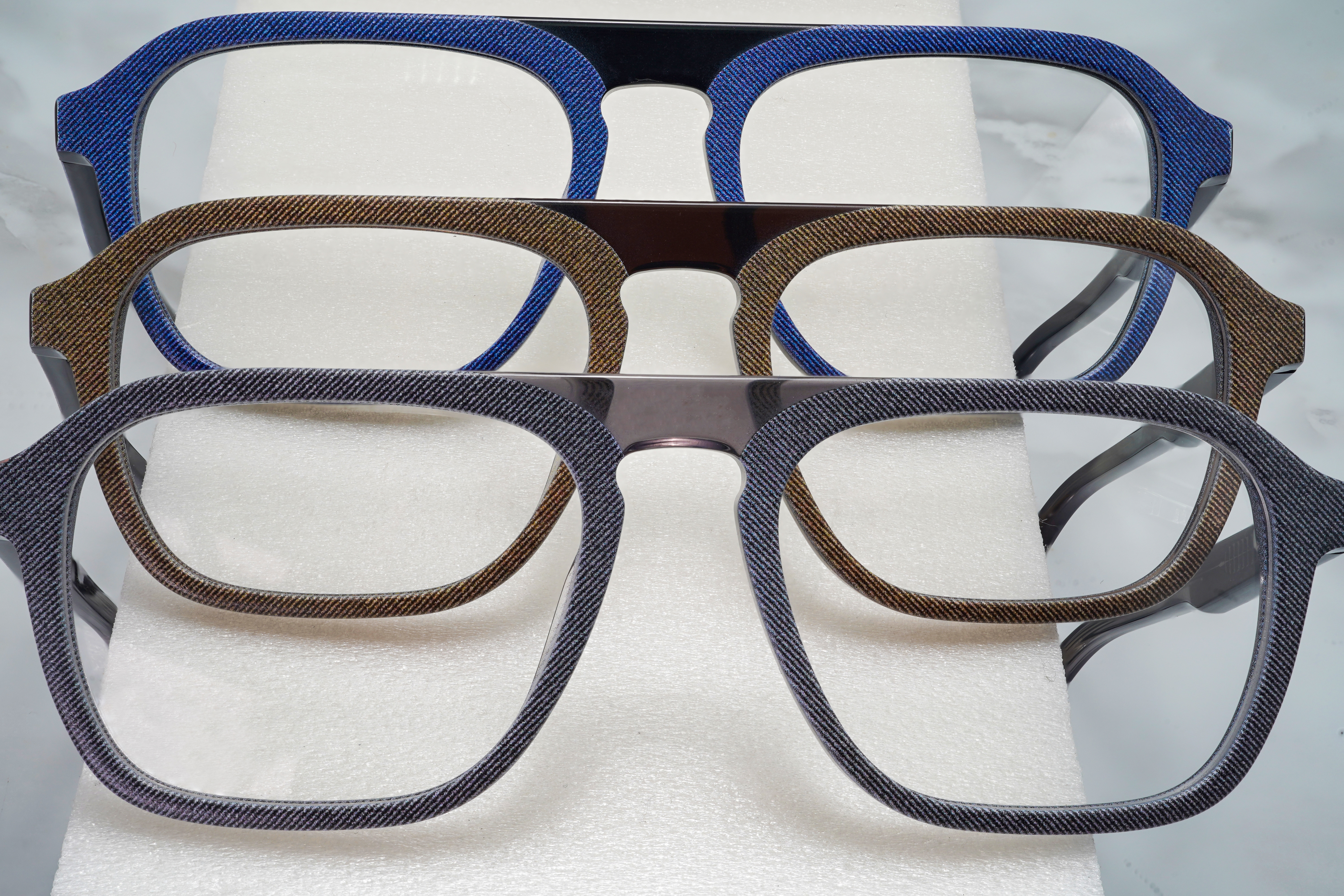
When comparing readers, material choice directly influences how your magnifying glasses feel, look, and perform over time. Metal frames and plastic frames each excel in different scenarios, and understanding these distinctions prevents buyer regret. The right material depends on your daily activities, aesthetic preferences, budget constraints, and sensitivity to weight and fit.
Durability and Longevity
Metal Frame Resilience
Metal reading glasses typically outlast plastic alternatives by years when properly maintained. Stainless steel and titanium frames resist cracking, warping, and UV degradation far better than acetate or plastic compounds. Metal doesn't become brittle over time, so your readers remain structurally sound through countless cleaning cycles and temperature changes. However, metal frames can scratch, dent, or develop corrosion if exposed to salt water or harsh chemicals regularly. The hinges on metal frames tend to last longer because the material doesn't weaken around screw holes the way plastic does.
Plastic Frame Vulnerability
Plastic presbyopic glasses are more prone to damage from impact, heat, and UV exposure. Acetate frames can crack if dropped or bent beyond their tolerance, and the material becomes brittle after several years of use. Plastic magnifying glasses exposed to direct sunlight or stored in hot cars may warp permanently. The nose pads on plastic readers often degrade faster than on metal alternatives, requiring replacement sooner. Despite these limitations, many people find plastic frames adequate for occasional use or temporary vision correction situations.
Comfort and Wearability
Weight and Fit Considerations
Metal reading glasses are significantly lighter than plastic frames of comparable size, reducing fatigue during extended reading sessions. Titanium and aluminum readers weigh so little that many wearers forget they're wearing them. This weight advantage matters most for presbyopic glasses worn throughout the workday or for leisure reading lasting hours. Metal frames also adjust more easily to facial contours because the material flexes precisely without losing shape. Plastic readers, while sometimes comfortable initially, can feel heavier and cause pressure points behind the ears after prolonged use, especially in larger frame styles.
Nose and Temple Comfort
Plastic magnifying glasses offer slightly more cushioning at contact points because acetate is inherently softer than metal. Some wearers prefer the gentle grip of plastic nose pads for extended comfort. However, metal readers allow for finer adjustments through the frame temples and nose bridges, enabling personalized fit that reduces pressure. Metal frames with adjustable components let you customize your reading glasses precisely to your face shape, while plastic options offer less flexibility after manufacturing. For people with sensitive skin or pronounced facial features, the adjustability of metal readers often provides superior long-term comfort.
Style, Aesthetics, and Cost
Visual Appeal and Design Versatility
Plastic presbyopic glasses excel in bold colors, patterns, and trendy designs because the material holds pigments and textures better than metal. If you want reading glasses that express personal style or match fashion preferences, plastic offers more variety in contemporary collections. Plastic magnifying glasses can mimic tortoiseshell patterns, bright hues, and artistic finishes that appeal to style-conscious wearers. Metal readers deliver classic, professional aesthetics that suit formal environments and traditional tastes. The shiny or brushed finish of metal frames creates an elegant appearance that many professionals prefer for office settings. Both materials offer distinct visual identities, so your choice depends on whether you prioritize fashion-forward style or timeless sophistication.
Price and Value Proposition
Plastic reading glasses typically cost less upfront because manufacturing acetate frames requires simpler processes than precision metal work. Budget-conscious buyers often find affordable plastic readers that meet basic needs. However, when factoring in replacement frequency due to damage or deterioration, total cost of ownership may actually favor metal reading glasses over several years. Mid-range metal frames offer excellent value, balancing durability with reasonable pricing. Premium materials like titanium command higher initial investment but deliver years of reliable service for regular presbyopic glasses wearers. Evaluating total cost means considering both purchase price and longevity rather than focusing solely on initial expense.
Maintenance and Care Requirements
Cleaning and Preservation
Metal readers require consistent maintenance to prevent oxidation and spotting, particularly stainless steel models exposed to humidity. Regular gentle cleaning with soft cloths and appropriate lens solutions keeps metal magnifying glasses clear and functioning. Plastic presbyopic glasses need less intensive maintenance but are more vulnerable to scratches during cleaning. Avoid abrasive materials with both types, though metal frames tolerate slightly more rigorous treatment. Storing your readers in protective cases and keeping them away from extreme heat extends lifespan regardless of material choice.
Repair and Adjustment Needs
Metal frames support numerous adjustments and repairs through professional opticians, including temple straightening, hinge replacement, and nose pad repositioning. Plastic reading glasses can often be repaired, but options diminish if the frame structure cracks. Metal magnifying glasses typically maintain their value longer because restoration services are widely available. Plastic readers, if damaged beyond simple repairs, often require full replacement rather than targeted fixes. When considering long-term practicality, metal's repairability provides significant advantage over plastic alternatives.
FAQ
Are metal reading glasses always more expensive than plastic options?
Not necessarily. While premium metal readers cost more upfront, entry-level metal presbyopic glasses can match mid-range plastic prices. When calculating total cost including replacements over five years, metal magnifying glasses often prove more economical because they last significantly longer than plastic frames.
Can I adjust plastic reading glasses if they don't fit perfectly?
Plastic readers have limited adjustability compared to metal alternatives. Small nose pad adjustments are possible, but permanent frame bending risks cracking or warping the acetate material. Metal frames allow opticians to make precise adjustments to temples and bridge without damaging the structure, offering better customization for presbyopic glasses.
Which material is better for active lifestyles or outdoor use?
Metal reading glasses perform better in active environments because they resist damage from bumps and environmental exposure better than plastic. If you need magnifying glasses for work involving physical activity, dust, or temperature fluctuations, metal frames provide greater durability and reliability than plastic alternatives.



