
 EN
Full Frame vs Half Eye Reading Glasses: Key Differences for Buyers
Compare coverage, comfort, style & use cases for presbyopia. Find your ideal readers now.
Choosing between full frame and half eye reading glasses is one of the most important decisions you'll make when addressing presbyopia or age-related vision changes. Both styles offer distinct advantages, but they serve different needs, preferences, and daily activities. Understanding the key differences between these two formats helps you select the right readers for your specific visual requirements and lifestyle. Whether you prioritize field of view, aesthetic appeal, or practical functionality, the choice between full frame and half eye designs directly impacts your comfort and satisfaction.
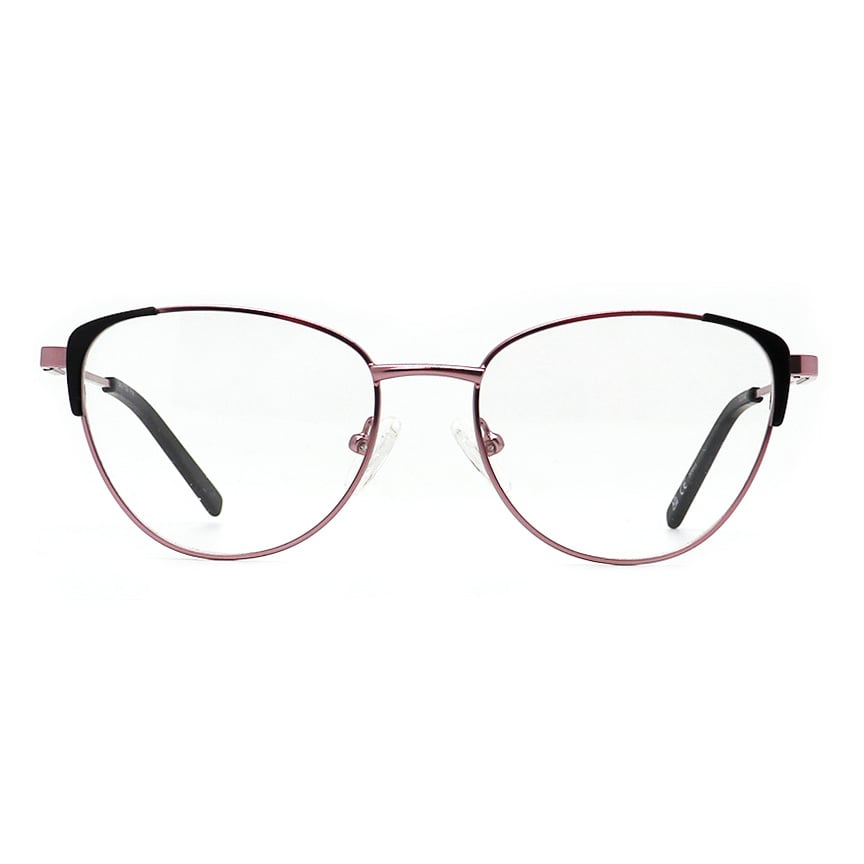
Presbyopic glasses have evolved significantly over the past decades, offering wearers unprecedented choice in frame design, lens technology, and aesthetic options. Full frame readers provide comprehensive lens coverage across the entire visual field, while half eye designs, also called half-frame or reading-only styles, feature lens material only in the lower portion of the frame. Each approach addresses presbyopia differently, and the optimal choice depends on your working patterns, visual demands, and personal preferences. This comprehensive guide explores the practical and technical distinctions between these two popular formats to help you make an informed decision.
Full Frame Readers: Comprehensive Coverage and Aesthetic Appeal
Understanding Full Frame Design and Visual Benefits
Full frame reading glasses encompass a complete lens area from the top of the frame to the bottom, offering uninterrupted visual clarity across your entire field of view. This design provides significant advantages for extended reading sessions, detailed work, and professional environments where you need consistent optical clarity without interruption. The comprehensive lens coverage means you can move your eyes naturally without losing focus or encountering visual dead zones. For presbyopic wearers who spend considerable time reading documents, reviewing digital screens, or performing intricate tasks, full frame readers deliver superior visual continuity and reduced eye strain. The magnifying effect distributes evenly across the entire lens surface, allowing smooth transitions when scanning between different focal distances within the reading zone.
Style Versatility and Fashionable Appearance
Full frame readers offer exceptional aesthetic flexibility and style options compared to half eye alternatives. Modern full frame presbyopic glasses come in countless designs, materials, colors, and shapes that allow you to express personal style while addressing vision needs. Whether you prefer classic metal frames, contemporary acetate designs, oversized silhouettes, or minimalist geometric styles, full frame options accommodate virtually any fashion preference. Many professionals and style-conscious wearers favor full frame readers because they integrate seamlessly into formal business attire and everyday wardrobes. The visual presence of full frame magnifying glasses makes them function as an accessory rather than a purely functional aid, which appeals to wearers who want their readers to complement their overall appearance.
Half Eye Readers: Practicality and Lightweight Convenience
Functional Design for Varied Activity Levels
Half eye or half-frame readers feature lens material only in the lower portion of the frame, leaving the upper area open or frameless. This distinctive design creates significant practical advantages for wearers who transition frequently between reading and distance viewing throughout their day. When you need to look up from your reading material to see across the room or communicate with colleagues, you simply glance over the top of your half eye readers without removing them entirely. This capability makes half frame presbyopic glasses ideal for professionals in customer-facing roles, teachers, healthcare workers, and anyone whose job requires constant switching between near and far vision tasks. The optical design specifically optimizes the lower lens area for magnification while keeping the upper visual field unobstructed for normal distance viewing.
Lightweight Construction and Physical Comfort
Half eye magnifying glasses typically feature less material and reduced weight compared to full frame designs, delivering superior comfort during extended wear. The reduced frame mass places minimal pressure on the nose bridge and ears, decreasing fatigue and irritation even after hours of continuous use. Many wearers with sensitive skin or allergies to frame materials find half eye readers more tolerable because they contact fewer facial areas. The streamlined construction also makes half eye readers easier to carry, less noticeable during storage, and simpler to incorporate into professional wardrobes where subtlety matters. For readers who wear their glasses throughout extended workdays or during physically demanding activities, the lightweight nature of half frame presbyopic glasses significantly enhances practical usability and wearer satisfaction.
Comparing Performance Across Key Practical Scenarios
Reading, Writing, and Detailed Desk Work
For sustained reading sessions, detailed paperwork, and precision tasks requiring consistent magnification, full frame reading glasses provide superior optical performance. The comprehensive lens coverage delivers uniform magnification across your entire visual field, eliminating the need to adjust head position or shift your gaze to find the optimal viewing zone. Professional editors, accountants, designers, and anyone performing meticulous work benefits significantly from the consistent clarity that full frame readers provide. However, half eye readers work reasonably well for shorter reading sessions or when you primarily focus on materials positioned directly in your lap or on a desk immediately below eye level.
Professional Environments and Social Situations
Half eye readers excel in professional settings where you need instant transitions between reading documents and engaging with colleagues face-to-face. The ability to look over your magnifying glasses without removing them maintains eye contact and facilitates natural conversation flow. Executives, consultants, and professionals who spend portions of their day reading correspondence and reviewing materials while maintaining frequent verbal interaction often prefer half frame presbyopic glasses for this versatility. Full frame readers require complete removal and replacement when transitioning between reading and distance viewing, which can feel awkward in dynamic professional environments but prove advantageous when you want to appear fully engaged without glasses during important meetings.
FAQ
Do full frame reading glasses provide better magnification than half eye readers?
Both full frame and half eye readers utilize identical magnifying lens technology and provide equivalent optical strength when manufactured to the same prescription specifications. The difference lies not in magnification power but in coverage area and practical application. Full frame readers apply magnification across a larger visual field, making them superior for extended sustained reading. Half eye magnifying glasses concentrate magnification in the lower lens area where you typically focus during reading while maintaining unobstructed distance vision above. The choice depends on your specific usage patterns rather than optical strength differences.
Can you wear half eye presbyopic glasses for driving or distance activities?
Half eye readers are not designed for driving or distance viewing activities because they provide magnification only in the lower lens portion. The upper portion offers no optical correction, so you cannot achieve clear distance vision for driving, sports, or activities requiring full visual field focus. Full frame readers serve primarily for near vision tasks and should not be worn during driving either. For activities requiring clear distance vision, you need appropriate distance prescription eyewear or progressive lenses designed for both near and distance viewing rather than dedicated readers.
Which reading glasses style works better for computer work?
Full frame readers generally provide better comfort for extended computer work because they accommodate the typical monitor viewing distance and support sustained focus without frequent head adjustments. Many professionals benefit from computer-specific progressive or bifocal lenses rather than simple magnifying readers. However, half eye presbyopic glasses can work for computer tasks if your monitor sits directly at or slightly below eye level, allowing you to utilize the lower magnified lens area. Consider your specific workspace setup, screen position, and whether you transition frequently between your monitor and other materials when selecting between full frame and half eye options.



