
 EN
Spring Hinge Performance in Everyday Reading Glasses Frames: Key Differences and Selection Factors
Discover material specs, tension testing, and OEM selection criteria. Download buyer's guide.
Spring hinges represent one of the most critical yet often overlooked components in modern reading glasses design. When you invest in quality readers, the hinge mechanism directly influences how well your presbyopic glasses perform throughout daily use. Understanding spring hinge performance helps you make informed decisions about which reading glasses frame will deliver both comfort and longevity in your everyday routine.
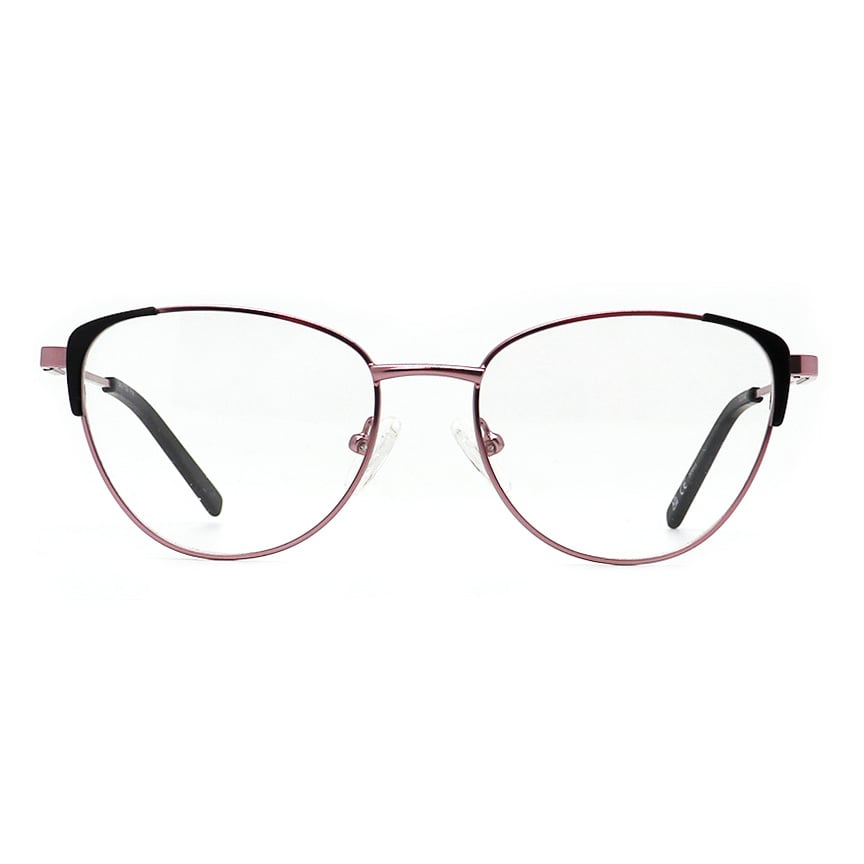
The spring hinge mechanism in readers operates through a mechanical tension system that allows frames to flex and adapt during wear. Unlike traditional barrel hinges, spring hinges incorporate a compression spring that enables the temples to move both outward and slightly inward, accommodating head shape variations and reducing stress on the frame joints. This engineering feature transforms how magnifying glasses and presbyopic glasses sit on your face, improving stability and reducing the fatigue associated with constant frame adjustment.
Spring Hinge Design and Mechanical Function
How Spring Hinges Work in Reading Glasses
Spring hinges operate through a precisely engineered compression mechanism housed within the frame's hinge barrel. When you put on your reading glasses, the temples flex outward slightly, then the spring tension pulls them back to a balanced position. This constant, gentle pressure distributes force evenly across your temples and ears, reducing concentrated stress points that cause discomfort during extended reading sessions. The spring mechanism also allows presbyopic glasses to accommodate natural head movements without creating stress fractures in the frame material.
The quality of the spring hinge directly affects how long your readers remain functional. Premium spring hinges use stainless steel components and precision-engineered springs that maintain their tensile strength over thousands of open-close cycles. Budget readers often feature weaker springs that lose tension after several months, resulting in loose frames that slip down your nose and require constant readjustment. Investing in magnifying glasses with robust spring hinges ensures consistent performance throughout the frame's lifespan.
Material Selection and Spring Tension Control
The material composition of spring hinge components determines durability and performance consistency in reading glasses. Stainless steel springs resist corrosion and maintain elastic properties even after years of use, while lower-quality spring materials may develop permanent deformation or rust. The spring tension itself must be calibrated precisely so that readers feel comfortable during initial wear without becoming too loose over time. Presbyopic glasses manufacturers invest significantly in spring tension testing to ensure that each reader model delivers the intended flexibility from day one of ownership.
Different frame materials require different spring hinge configurations. Metal reading glasses typically feature integral spring hinges built directly into the frame structure, while acetate frames often use screw-attached spring hinges that can be replaced if damaged. Understanding these material-specific differences helps you select magnifying glasses or readers that align with your lifestyle and durability expectations. Premium frames often include adjustable spring tension features, allowing users to customize comfort levels as their eyewear preferences evolve.
Performance Variations Across Reading Glasses Types
Comfort and Fit Differences in Everyday Wear
Spring hinges create measurable comfort differences compared to traditional fixed hinges in readers. The outward flex accommodates a wider range of head sizes, making reading glasses suitable for more individuals without requiring custom adjustments. Presbyopic glasses with high-quality spring hinges distribute pressure more evenly, reducing temple pinching and the headaches that result from concentrated stress on specific scalp areas. Users often report that readers with superior spring hinge performance feel lighter and less intrusive during extended reading, computer work, or document review sessions.
The adjustment phase for new reading glasses varies based on spring hinge quality. Well-designed hinges reach optimal comfort within the first few days of wear, while poorly engineered spring mechanisms may feel stiff initially or become uncomfortable as the spring weakens. Premium magnifying glasses or readers feature springs pre-tensioned to deliver immediate comfort, whereas budget options often require a lengthy break-in period. This performance difference justifies the price premium for quality readers, especially if you wear them several hours daily.
Durability and Long-Term Frame Integrity
Spring hinge durability directly correlates with the total cost of ownership for reading glasses. High-quality readers engineered with robust spring hinges withstand hundreds of thousands of open-close cycles without losing tension or developing play in the joint. Presbyopic glasses with weak springs deteriorate rapidly, forcing users to replace frames within one to two years despite minimal actual use damage. Magnifying glasses featuring premium spring hinges often last five to ten years with proper care, dramatically reducing the per-year cost compared to frequently replaced budget frames.
The connection between spring hinge quality and overall frame longevity extends beyond simple hinge performance. When spring hinges maintain proper tension, they protect the entire frame structure by distributing stress evenly and preventing the frame flexing that causes nose bridge cracks and temple damage. Reading glasses with substandard spring hinges experience cascading damage as loose temples create additional stress on adjacent frame components. Investing in readers with superior spring hinge engineering essentially protects your entire eyewear investment.
Selection Factors and Decision-Making Framework
Identifying Quality Spring Hinges When Selecting Readers
When evaluating reading glasses options, examine the spring hinge mechanism directly by gently flexing the temples. Quality hinges should move smoothly with consistent resistance throughout the motion, returning to a neutral position without lag or slack. Presbyopic glasses with inferior spring hinges feel loose or develop dead zones where the hinge suddenly binds or releases. Testing the hinge motion yourself provides immediate feedback about quality that specification sheets cannot convey. Professional eyewear retailers can demonstrate this feature, allowing you to compare spring hinge performance across different magnifying glasses and readers before making a purchase decision.
Manufacturer reputation serves as a reliable proxy for spring hinge quality in reading glasses. Established brands invest heavily in precision manufacturing and quality control, ensuring consistent spring hinge performance across production batches. Budget-oriented readers sometimes cut costs by simplifying spring mechanisms or using inferior materials, resulting in frames that feel loose or perform inconsistently from one pair to another. Researching brand reviews and examining product warranties provides insight into spring hinge reliability. Many premium readers come with multi-year warranties specifically covering spring hinge durability, reflecting manufacturer confidence in their engineering.
Matching Spring Hinge Performance to Your Lifestyle
Your specific usage patterns should influence spring hinge selection for reading glasses. Heavy users who wear presbyopic glasses eight or more hours daily benefit significantly from premium spring hinge engineering that maintains performance under extended stress. Occasional readers who wear magnifying glasses primarily for specific tasks can sometimes accept shorter frame lifespans in exchange for lower prices. Active individuals who frequently adjust or remove their glasses should prioritize spring hinges designed for frequent movement, while sedentary users might prioritize spring tension that prevents slippage over frames designed for maximum flexibility.
Environmental factors also affect spring hinge selection in reading glasses. If you work in humid environments or outdoors, stainless steel spring hinges provide superior corrosion resistance compared to alternatives. Readers exposed to temperature fluctuations should feature springs that maintain tension across varying conditions. Presbyopic glasses used in dusty or sandy environments benefit from sealed spring hinge designs that prevent debris infiltration. Understanding your specific use environment ensures you select readers whose spring hinges will perform reliably under your particular conditions.
FAQ
What is the main advantage of spring hinges in reading glasses frames?
Spring hinges provide superior comfort and durability by distributing pressure evenly across your temples and ears. Unlike fixed hinges, spring hinges flex and adapt to your head shape, reducing stress concentration and enabling readers to fit a wider range of individuals comfortably. This design also protects the entire frame structure by preventing the excessive stress that causes damage to nose bridges and temples. Quality spring hinges in presbyopic glasses maintain their performance for years, making them a worthwhile investment compared to budget readers that require frequent replacement.
How can you tell if reading glasses have quality spring hinges?
Test the hinge performance by gently flexing the temples of your readers. Quality spring hinges move smoothly with consistent resistance and return to neutral position without lag or slack. If the hinge feels loose, stiff, or develops dead zones where movement suddenly binds, the spring hinge quality is likely compromised. Magnifying glasses and presbyopic glasses from established manufacturers typically feature superior spring hinges with smooth operation. Check product warranties and manufacturer reputation as additional indicators of spring hinge reliability.
How often do spring hinges need replacement in reading glasses?
High-quality spring hinges in well-maintained readers typically last five to ten years without requiring replacement. Budget options or readers subjected to heavy use or poor care may need new spring hinges within one to two years. Regular cleaning and gentle handling extend spring hinge lifespan significantly. Many eyewear retailers can replace deteriorated spring hinges while preserving the rest of your presbyopic glasses frame, making repair more economical than full frame replacement. Storing readers in protective cases and avoiding unnecessary flexing helps maintain spring tension throughout the frame's life.



