
 EN
Common Fit Problems in Reading Glasses for Smaller Faces: Practical Quality Control Steps
Discover proven quality control steps to fix reading glasses fit issues for smaller faces. Optimize bridge width, PD alignment & temple length—get actionable QC protocols now.
Finding properly fitting reading glasses for smaller faces presents a unique challenge in eyewear quality control. Many wearers with petite facial structures struggle with reading glasses that slip, pinch, or fail to deliver optimal vision correction. This comprehensive guide explores the most common fit problems and outlines practical quality control steps to ensure your reading glasses deliver comfort and clarity without compromise.
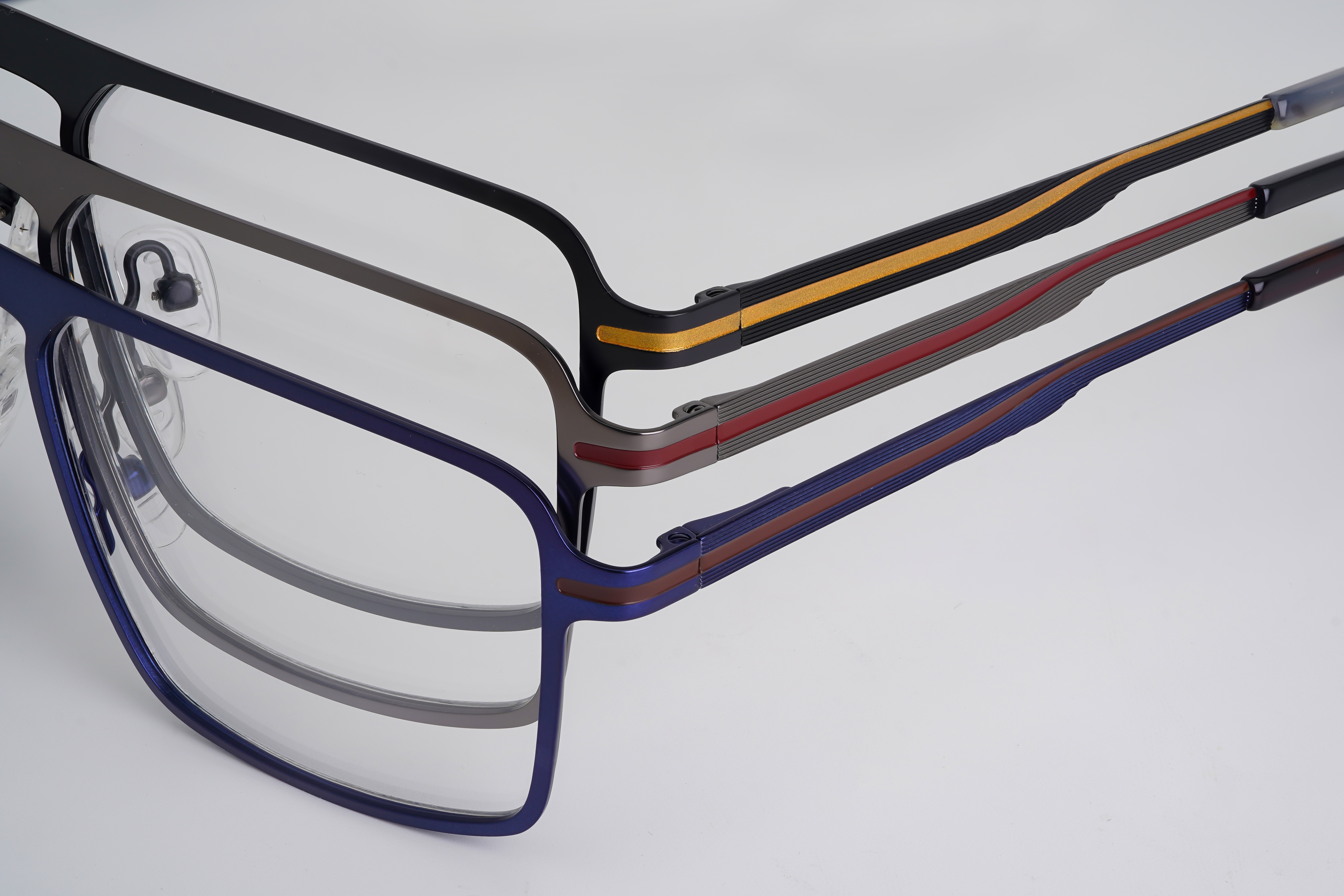
The eyewear industry has long focused on standard sizing, leaving smaller-faced individuals to navigate misalignment issues that affect visual performance and long-term wearability. Presbyopic glasses and readers designed for average face dimensions often create pressure points, poor optical center alignment, and bridge fit problems. Understanding these specific issues and implementing targeted quality control procedures can dramatically improve your reading glasses experience and help manufacturers deliver better products for this underserved segment.
Common Fit Problems in Reading Glasses for Smaller Faces
Bridge and Nose Pad Misalignment
The bridge represents the critical connection point between the two lens assemblies, and improper bridge sizing remains the leading cause of reading glasses discomfort on smaller faces. When a bridge is too wide, the glasses sit too low, shifting the optical centers below the pupil line and degrading near vision clarity. Quality control teams must verify that bridge width measurements match face proportions, ensuring presbyopic glasses maintain proper optical alignment regardless of face size. Nose pads that rest at incorrect angles further compound bridge misalignment, creating asymmetrical pressure that triggers headaches and eye strain during extended reading sessions.
Magnifying glasses and readers with adjustable nose pads offer flexibility, but only if those pads are positioned correctly during manufacturing. Quality inspectors should measure nose pad height, angle, and material density using calibrated tools. Each reader unit must be tested to confirm that the optical centers remain centered on the wearer's pupils when the frame sits naturally on the bridge. This fundamental quality control step prevents the cascade of vision problems that stem from initial misalignment.
Temple Length and Ear Positioning
Temple length becomes critical for smaller faces because standard reading glasses temples often extend beyond comfortable ear positioning, causing frames to slide forward during use. When presbyopic glasses slip, wearers unconsciously tilt their heads or push frames higher, creating unnatural posture and visual strain. Quality control procedures must include template-based checks to confirm temple length matches documented face size categories. Temples that are too long also create uneven pressure on one ear, leading to prolonged discomfort that discourages regular use of reading glasses and magnifying glasses alike.
Manufacturers producing readers for smaller faces should establish size-specific temple length ranges and verify each frame against these standards before packaging. The temple should rest naturally on the ear, allowing the frame to stay centered without tension or slack. Quality inspectors can simulate proper fit by using adjustable head forms that represent different face dimensions, ensuring that every reader manufactured maintains stable positioning across its intended size category.
Optical Center and Lens Alignment Issues
Pupillary Distance Mismatch
Pupillary distance (PD) represents the measurement between a wearer's pupils, and this dimension is often overlooked in reading glasses quality control despite its profound impact on vision performance. Smaller faces typically have narrower interpupillary distances, requiring corresponding lens placement to ensure that each lens aligns with its respective pupil. When presbyopic glasses are made with standard PD values, the optical centers miss the pupil line by several millimeters, forcing the wearer's eyes to work through off-center lens regions where optical quality deteriorates. Quality control teams must implement PD verification checks during frame assembly, confirming that lens spacing aligns with the intended wearer category.
Magnifying glasses used for close-focus tasks become particularly problematic when PD mismatch occurs, as readers demand precise optical alignment to deliver the promised magnification benefit. Each reading glasses unit produced should include documented PD measurements, and quality audits should spot-check finished frames to confirm lens spacing accuracy. This systematic approach prevents the widespread fit failure that arises when optical centers miss pupil positions.
Vertical Lens Height and Optical Zone Positioning
Lens height profoundly affects how presbyopic glasses deliver near-vision correction, yet this dimension is frequently standardized regardless of face size. Smaller faces often require proportionally smaller lens heights to maintain proper optical zone alignment with the wearer's natural gaze line. Readers with oversized lenses create viewing zones that sit too high or too low, forcing wearers to adopt uncomfortable head positions to access the primary correction area. Quality control procedures should measure lens height against documented frame width ratios, ensuring proportional balance across all size categories.
The optical zone—the precise area within each lens where magnifying properties and correction strength are optimized—must align vertically with the wearer's line of sight during typical reading postures. For reading glasses and magnifying glasses, this alignment determines whether wearers experience sharp clarity or edge blur during extended use.
Quality Control Implementation and Testing Procedures
Frame Measurement and Documentation Standards
Effective quality control begins with comprehensive measurement protocols that capture all critical dimensions for reading glasses destined for smaller faces. Bridge width, temple length, lens width, and overall frame dimensions must be recorded for every unit produced, creating a quality database that tracks consistency and identifies drift in manufacturing processes. Presbyopic glasses and readers should be organized into documented size categories, with clearly defined acceptable ranges for each critical measurement. Quality control teams must use calibrated measuring instruments and establish written procedures that all inspectors follow consistently.
Documentation extends beyond measurements to include photographic records and optical testing results for sample frames from each production batch. When quality issues arise, comprehensive documentation enables rapid root-cause analysis and corrective action. Magnifying glasses produced alongside standard readers require parallel documentation systems to ensure that both product types maintain their intended specifications.
Optical Performance Testing Methods
Beyond dimensional accuracy, reading glasses must undergo optical performance verification to confirm that lens magnification, optical center positioning, and visual clarity meet specifications. Quality control procedures should include lensometer testing to verify that each lens delivers the promised optical power correction in both eyes. Presbyopic glasses samples should be tested using human subjects representing the smaller face demographic, allowing inspectors to identify vision problems that dimensional checks alone might miss.
Fit testing represents another critical component of quality control for smaller-faced wearers. Sample frames should be fitted on representative individuals to assess actual comfort, stability, and optical performance during realistic use scenarios. This hands-on testing reveals fit issues that laboratory measurements might not capture, such as pressure points, frame slippage, or optical misalignment during natural head movement. Magnifying glasses in particular benefit from extended wear testing, as comfort during sustained close-work tasks directly impacts user satisfaction and product durability.
Batch Testing and Process Audits
Systematic batch testing ensures that quality control catches manufacturing drift before defective reading glasses reach customers. Every production batch should include statistical sampling of units for full measurement and optical verification. Presbyopic glasses batches produced for smaller-face size categories deserve heightened scrutiny, with larger sample sizes and more rigorous testing criteria reflecting the specialized nature of this application.
Process audits complement product testing by examining manufacturing procedures, equipment calibration, and worker training that directly influence reading glasses quality. Auditors should verify that frame assembly equipment maintains proper alignment tolerances, that lens positioning machinery operates within specification, and that workers understand the importance of precision for smaller-face applications. When quality issues arise with readers or magnifying glasses, process audits often reveal the root cause more effectively than product inspection alone.
FAQ
Why do reading glasses fit poorly on smaller faces?
Standard reading glasses and presbyopic glasses are typically designed around average face dimensions, which means bridge width, temple length, and lens height often exceed what smaller-faced wearers require. Oversized bridges cause optical misalignment, temples extend too far, and lens heights position the optical zones incorrectly relative to the wearer's natural gaze line. This dimensional mismatch forces readers to either wear frames that slip continuously or endure uncomfortable pressure from frames that are too large.
What quality control steps prevent fit problems in readers?
Comprehensive quality control for reading glasses includes dimensional measurement of all critical frame parameters, verification of optical center positioning for presbyopic glasses, and fit testing on representative users. Manufacturers must document all measurements, implement statistical batch testing, and conduct regular process audits to catch manufacturing drift early. Magnifying glasses and readers benefit from both laboratory testing and real-world fit validation before release to customers.
How can wearers ensure they receive properly fitting reading glasses?
When ordering readers or presbyopic glasses for smaller faces, specify your frame size category and request documentation of key measurements including bridge width, temple length, and lens width. Ask manufacturers for optical center data and pupillary distance specifications relevant to your magnifying glasses or reading glasses order. Try frames before purchase when possible, and verify that bridges sit comfortably on your nose, temples rest naturally on your ears, and optical zones align with your natural gaze during typical reading distances.



