
 EN
Eye Strain Complaints Linked to Poorly Centered Reading Glasses: Prevention Strategies for Eyewear Brands
Poor lens centering causes prism errors, headaches & low compliance. Discover proven manufacturing, fitting & QA strategies to boost satisfaction.
Eye strain complaints represent a significant challenge for eyewear brands, and one of the most overlooked causes is improper centering in reading glasses. When reading glasses are not correctly aligned with the wearer's visual axis, the optical power becomes misaligned, forcing the eyes to work harder than necessary. This misalignment creates unnecessary accommodation stress, leading to discomfort, headaches, and reduced wearing compliance. Understanding how poor centering affects vision quality is essential for eyewear manufacturers and retailers aiming to reduce customer dissatisfaction and build a reputation for precision craftsmanship.
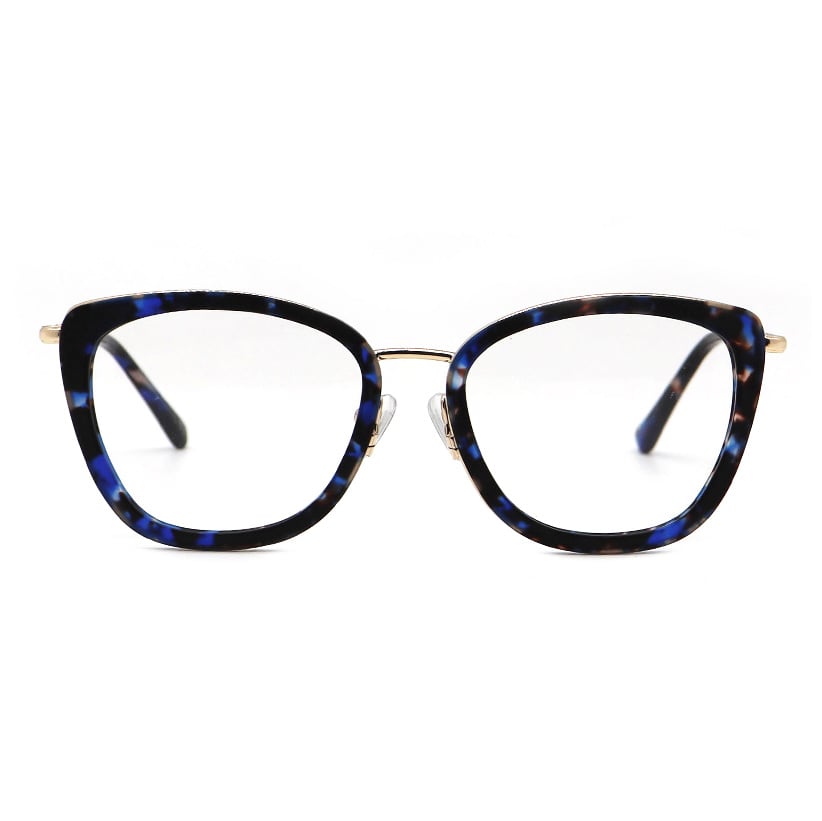
The relationship between lens centering and eye comfort cannot be overstated in the presbyopic population. Readers and presbyopic glasses must meet strict optical standards to ensure that the optical center of each lens aligns precisely with the wearer's pupil position. When this alignment fails, even by a few millimeters, it introduces prism errors that cause visual distortion and strain. For eyewear brands committed to quality, implementing robust centering protocols throughout manufacturing, fitting, and quality assurance is non-negotiable for customer retention and brand credibility.
Understanding Centering Problems in Optical Lenses
What Causes Poor Centering in Reading Glasses
Poor centering in reading glasses typically originates during the manufacturing process or fitting stage. During production, if lens grinding equipment is not precisely calibrated, the optical center may drift from the intended position. Similarly, when frames are fitted to lenses incorrectly, or if frame geometry is inconsistent, the resulting readers will not center properly. Environmental factors during manufacturing, such as temperature fluctuations or material inconsistencies in acetate frames, can also contribute to misalignment. Additionally, improper frame bridge geometry or asymmetrical frame design can make it difficult to center presbyopic glasses accurately. For brands relying on manual fitting processes, human error becomes a significant risk factor. Quality control systems that verify centering accuracy before products leave the factory are therefore critical to preventing these issues from reaching customers.
How Centering Errors Create Visual Prism Effects
When the optical center of a reading glasses lens deviates from the wearer's pupil center, unwanted prismatic effects occur. These prism errors force the extraocular muscles to work harder, creating the eye strain that customers report. The magnitude of strain correlates with the degree of decentration and the lens power. For presbyopic glasses and magnifying glasses with higher powers, even small centering errors become more noticeable and uncomfortable. The brain attempts to compensate for these prism errors, which drains cognitive resources and causes headaches, fatigue, and visual discomfort within minutes of wearing. This is why readers with power errors feel immediately uncomfortable, whereas minor centering issues in lower-power magnifying glasses may go unnoticed initially but accumulate strain over time. Understanding this optical mechanics is essential for eyewear brands designing quality assurance workflows.
Prevention Strategies for Eyewear Manufacturers
Implementing Precision Manufacturing Controls
Eyewear brands must establish manufacturing protocols that prioritize centering accuracy from the lens grinding stage onward. Investing in modern lens grinding equipment with laser-guided centering systems ensures that optical centers are positioned within tolerance limits. Automated measurement systems should verify centering accuracy for every pair of reading glasses before packaging. Regular calibration of grinding equipment, at least weekly or after high production runs, prevents systematic drift. Personnel training on proper equipment operation and frame handling is equally important, as human factors significantly influence final product quality. Implementing digital tracking systems that record centering measurements for each product creates accountability and identifies patterns of error. For brands using subcontractors, establishing clear centering specifications and conducting regular audits ensures consistency across supply chains. These manufacturing safeguards directly reduce eye strain complaints and improve customer satisfaction with presbyopic glasses and readers.
Frame Design and Fitting Optimization
The frame itself plays a crucial role in enabling proper centering of reading glasses. Frames with precise bridge measurements, consistent temple angles, and accurate nose pad positioning make centering easier during the fitting process. Design standards should specify acceptable tolerances for frame geometry to ensure that lenses can be centered reliably. During the fitting phase, trained opticians must measure the wearer's pupillary distance and bridge fit accurately, then center lenses according to these measurements. Using pupil distance meters or automated measurement systems reduces fitting errors compared to manual measurement alone. For brands selling readers online, providing clear fitting instructions and offering adjustments or returns for centering issues builds customer trust. Additionally, presbyopic glasses designed with larger lens apertures give more margin for centering accuracy, as small deviations have less impact on visual comfort. Brands that prioritize frame design precision and fitting protocols see measurably lower rates of eye strain complaints related to centering.
Quality Assurance and Customer Communication
Centering Verification Standards and Testing
Establishing a rigorous quality assurance program that measures centering accuracy is fundamental to preventing eye strain issues. Every pair of reading glasses should be tested using automated lensometers or manual measurement techniques that verify optical center position relative to frame geometry. Acceptance criteria should specify maximum allowable decentration, typically within 2 to 3 millimeters for most readers and magnifying glasses. Documentation of centering measurements for each product creates a quality record and helps identify production issues early. Periodic audits of finished products should also assess centering consistency across production batches. For presbyopic glasses, stricter tolerances may be warranted because higher powers amplify centering errors. Brands that publicly communicate their centering standards and testing procedures differentiate themselves as quality-focused manufacturers. This transparency builds confidence among eyewear retailers and end consumers who prioritize optical precision.
Managing Customer Expectations and Complaints
Clear communication about centering specifications helps set realistic expectations for reading glasses performance. Eyewear brands should provide educational materials explaining the importance of proper fit and centering, helping customers understand why centering accuracy matters. When customers report eye strain, a structured troubleshooting process should distinguish between centering issues and other causes such as incorrect power, frame fit, or underlying vision problems. Offering free re-centering or replacement of readers that fail centering specifications demonstrates commitment to customer satisfaction. Training retail staff to recognize centering-related complaints and escalate them appropriately ensures problems are resolved quickly. Brands that stand behind their presbyopic glasses with centering guarantees build long-term customer loyalty and reduce negative reviews. For magnifying glasses intended for reading or detailed work, similar communication strategies help customers appreciate the precision engineering involved and understand why quality comes at a premium price point.
FAQ
How does lens centering affect comfort when wearing reading glasses?
Poor centering in reading glasses forces the eyes to work against prism errors, causing the extraocular muscles to fatigue quickly. This optical misalignment creates visual discomfort, headaches, and eye strain within minutes of wear. Properly centered readers allow the eyes to focus naturally without compensating for prism effects, resulting in sustained comfort throughout the day. Presbyopic glasses and magnifying glasses with correct centering feel immediately more comfortable and require no visual adaptation time.
What is the acceptable centering tolerance for reading glasses?
Most optical standards recommend that the optical center of reading glasses align with the wearer's pupil within 2 to 3 millimeters. For readers with higher powers or presbyopic glasses intended for extended wear, tighter tolerances of 1.5 to 2 millimeters may be more appropriate. Magnifying glasses used for detailed tasks should also meet these strict tolerance standards to prevent eye strain. Eyewear brands should specify their centering tolerance in quality assurance protocols and communicate these standards to customers and retail partners.
Can customers request re-centering if their reading glasses cause eye strain?
Yes, professional opticians can re-center readers if centering errors are identified as the cause of eye strain. Customers should return their presbyopic glasses to the retailer or manufacturer for diagnosis and adjustment. Many eyewear brands offer re-centering services at no charge if centering was outside acceptable tolerances at the time of purchase. This service demonstrates quality commitment and often resolves eye strain complaints related to poor centering in reading glasses and magnifying glasses.



