
 EN
Frame Material Choices in Private Label Sunglasses: Key Differences and Selection Factors
Choosing the right frame material impacts cost, durability, branding, and margins. Compare acetate & metal for private label sunglasses. Download selection guide.
The frame material you select for your private label sunglasses directly shapes product performance, aesthetic appeal, manufacturing cost, and customer satisfaction. For brands entering the eyewear market or expanding existing product lines, understanding the distinctions between frame material options represents a critical business decision. Unlike selecting a finished product, developing custom brand sunglasses requires deliberate choices about raw materials that will define your brand identity and market position for years to come.
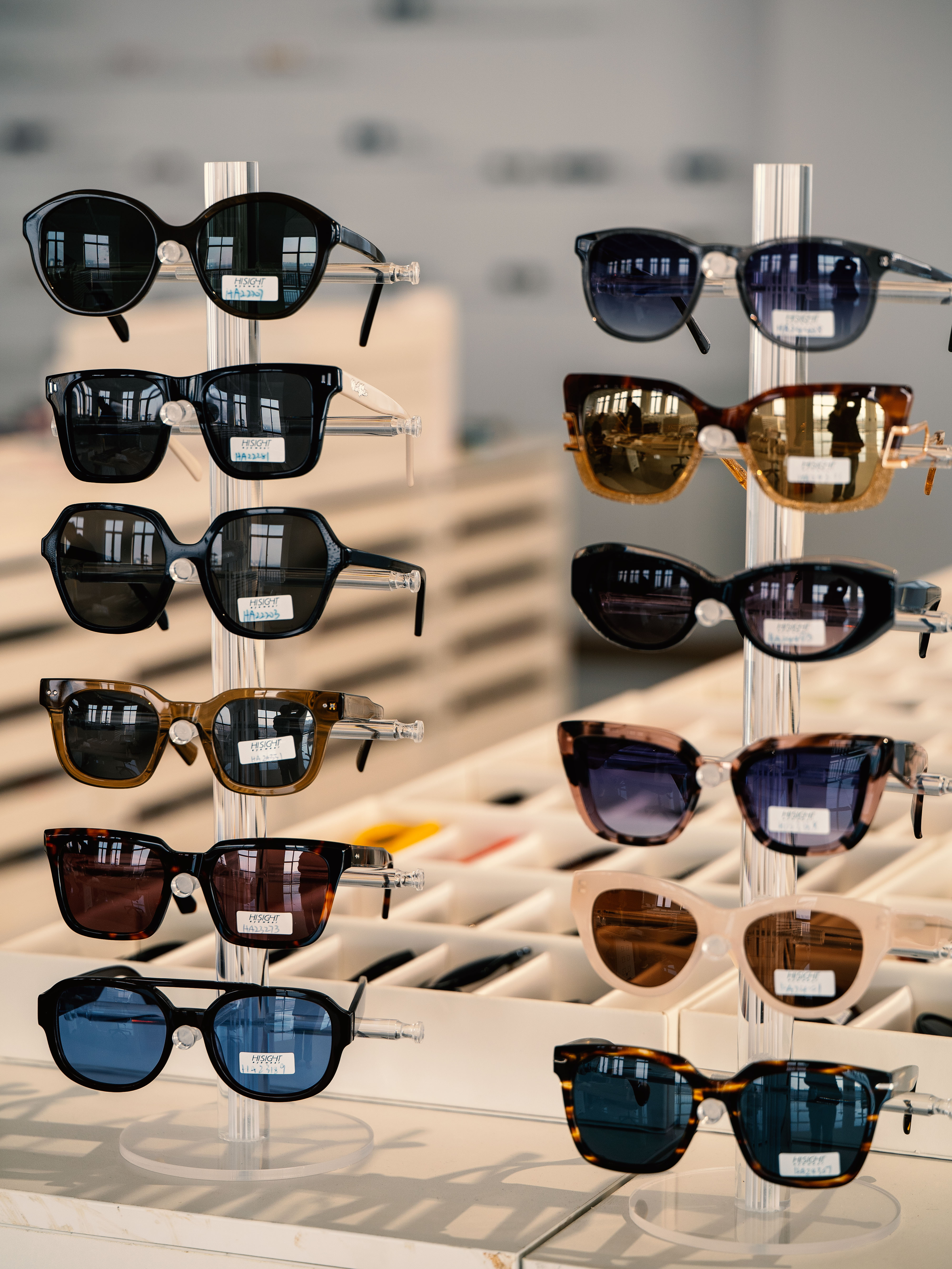
OEM sunglasses manufacturing leverages established material categories, each with distinct mechanical properties, aesthetic possibilities, and cost profiles. The frame material you choose impacts not only the initial production budget but also durability claims, warranty considerations, regulatory compliance, and the overall perceived value of your brand. This guide explores the principal frame materials available in OEM sunglasses manufacturing and provides practical selection criteria tailored to your brand positioning and target market.
Understanding Core Frame Material Categories
Acetate: Premium Aesthetics and Design Flexibility
Acetate represents one of the most popular materials in custom brand sunglasses production due to its versatility and visual appeal. This cellulose-based plastic material allows manufacturers to produce frames in virtually any color, pattern, or finish imaginable, from transparent and translucent effects to bold solid tones and marble-inspired designs. For brands seeking distinctive, fashion-forward aesthetics, acetate delivers creative possibilities that other materials cannot match at comparable cost levels.
The mechanical characteristics of acetate frames provide adequate durability for typical consumer use, though they require careful handling compared to metal alternatives. Acetate naturally resists corrosion and salt water exposure, making it well-suited for casual and lifestyle applications. In OEM sunglasses manufacturing, acetate production processes have become highly refined, allowing manufacturers to control thickness, weight distribution, and hinge quality precisely. This material choice works well for brands targeting fashion-conscious consumers, seasonal collections, or promotional eyewear where uniqueness matters more than extreme durability.
Metal Alloys: Strength and Minimalist Design
Metal frames, typically produced from stainless steel, titanium, or proprietary aluminum alloys, dominate the premium segment of private label sunglasses. Metal construction provides superior strength-to-weight performance, enabling thinner, lighter frames that convey sophistication and durability. Titanium frames offer exceptional corrosion resistance and lightweight characteristics, though they command higher manufacturing costs. Stainless steel delivers reliable durability and cost-effectiveness for brands seeking professional, classic aesthetics.
Metal-based OEM sunglasses manufacturing requires precision tooling and sophisticated assembly processes, yet the resulting frames withstand intense daily use and harsh environmental conditions. Metal frames appeal to consumers valuing technical performance, outdoor activity, and investment-grade eyewear. The minimalist aesthetic associated with metal construction supports premium positioning and higher retail price points. For brands building reputation around quality and longevity, metal frame options provide tangible differentiation and customer confidence in product durability.
Practical Selection Criteria for Brand Development
Cost Considerations and Margin Strategy
Frame material selection directly influences production cost per unit, which shapes your wholesale pricing, retail margin targets, and competitive positioning. Acetate frames typically offer lower per-unit manufacturing costs, enabling brands to achieve healthy margins at mid-range retail price points. Metal frame production requires higher tooling investment and material costs, justifying premium pricing strategies. In custom brand sunglasses development, understanding your target retail price point before selecting materials ensures profitability across your distribution channel.
Brands often develop multi-material product lines to serve different market segments simultaneously. A brand might offer acetate collections for seasonal, trend-driven styles priced competitively, while maintaining metal frame offerings for premium, year-round core styles. This strategy within OEM sunglasses manufacturing allows brands to maximize market penetration while protecting margin integrity. Volume commitments also affect pricing negotiation power, so selecting materials that accommodate your projected sales volumes strengthens supplier relationships and cost efficiency.
Durability and Warranty Positioning
The durability characteristics of your chosen frame material must align with warranty commitments and brand promises. Acetate frames suit shorter-term ownership cycles and style-focused positioning, often supported by limited warranties covering manufacturing defects. Metal frames support extended warranty claims, lifetime guarantees in some cases, and durability-focused marketing messages. Misalignment between material durability and warranty promises creates customer service liability and damages brand reputation.
In private label sunglasses positioning, material selection communicates implicit performance expectations to consumers. Premium pricing justifies metal frame investment; budget-conscious markets accept acetate options when quality standards remain consistent. OEM sunglasses manufacturing partners should provide detailed durability data, including hinge longevity, lens-to-frame adhesion performance, and environmental stress testing results. This information directly supports warranty strategy and customer expectation management throughout product lifecycle.
Market Positioning and Brand Differentiation
Aesthetic Brand Identity and Consumer Perception
Frame material choices communicate brand personality and value proposition before consumers ever try on your custom brand sunglasses. Acetate construction suggests creativity, fashion consciousness, and trend awareness. Metal construction implies technical precision, durability, and timeless sophistication. These material-driven associations influence consumer purchasing decisions and brand loyalty across all market segments. Successful custom brand sunglasses brands leverage material selection as part of comprehensive brand storytelling, not merely as an engineering specification.
Emerging material innovations in OEM sunglasses manufacturing, such as eco-friendly bioplastics and recycled content frames, now support sustainability-focused brand positioning. Brands targeting environmentally conscious consumers can differentiate through material selection that aligns with values, enabling premium pricing and customer loyalty. However, sustainable material performance must match traditional options, or sustainability claims undermine brand credibility. Transparent communication about material sourcing, manufacturing processes, and end-of-life considerations increasingly influences brand perception among sophisticated consumers.
Production Capabilities and Supply Chain Management
Different frame materials require distinct manufacturing capabilities, equipment, and skilled labor from OEM partners. Acetate production relies on injection molding and detailed hand-assembly for higher-end finishes. Metal frame manufacturing demands precision machining, welding expertise, and sophisticated quality control. Your OEM sunglasses manufacturing partner's capabilities must match your material selection strategy. Brands expanding into new materials should audit manufacturing capabilities, quality systems, and production timeline implications before committing to product line extensions.
Supply chain resilience also varies by material category. Acetate relies primarily on petrochemical sourcing, while metal frames depend on metal alloy availability and global commodity pricing. Private label sunglasses brands managing multiple material lines diversify supply chain risk and insulate positioning from single-material commodity shocks. Strategic material diversification strengthens business resilience while enabling simultaneous market presence across price segments and consumer preference categories.
FAQ
What frame material should new brands choose for private label sunglasses launch?
New brands typically benefit from starting with acetate frames for custom brand sunglasses because acetate offers lower production minimums, faster sampling timelines, greater design flexibility, and reduced tooling costs. This approach enables brands to test market demand, refine aesthetics, and establish brand identity with manageable financial risk. As volume increases and brand positioning solidifies, brands can introduce metal frame offerings to serve premium market segments and build customer loyalty through multi-material product evolution.
How do material choices affect OEM sunglasses manufacturing timelines?
Acetate frame production typically requires 6–10 weeks from order to delivery, including injection molding, assembly, lens installation, and quality control. Metal frame manufacturing often extends timelines to 10–14 weeks because precision machining and assembly processes demand greater detail and care. Planning OEM sunglasses manufacturing schedules requires advance material selection to align production timelines with seasonal market demands. Rush options exist for both materials but incur significant cost premiums, so strategic lead time management protects profitability.
Can private label sunglasses combine multiple frame materials in one collection?
Yes, successful brands frequently develop collections incorporating both acetate and metal frames, using material selection to differentiate style tiers within custom brand sunglasses portfolios. Acetate styles might target fashion-forward, seasonal offerings, while metal frames serve classic, premium, year-round core styles. This hybrid approach within OEM sunglasses manufacturing maximizes market reach, customer segmentation, and brand positioning while managing production complexity through focused material-specific production runs with experienced manufacturers.



