
 EN
Branding Methods Used in Private Label Sunglasses Frames: A Technical Guide for Eyewear Buyers
Discover proven branding methods for private label sunglasses—engraving, embossing, color matching & packaging. Maximize brand identity & durability.
Private label sunglasses represent a strategic opportunity for eyewear retailers and brands seeking to build distinctive market presence without managing full manufacturing operations. Understanding the branding methods available in this space is essential for buyers navigating OEM sunglasses manufacturing partnerships. The technical approach to branding these frames determines product identity, customer perception, and market differentiation. This guide explores the core branding techniques, implementation considerations, and decision factors that influence successful private label sunglasses programs.
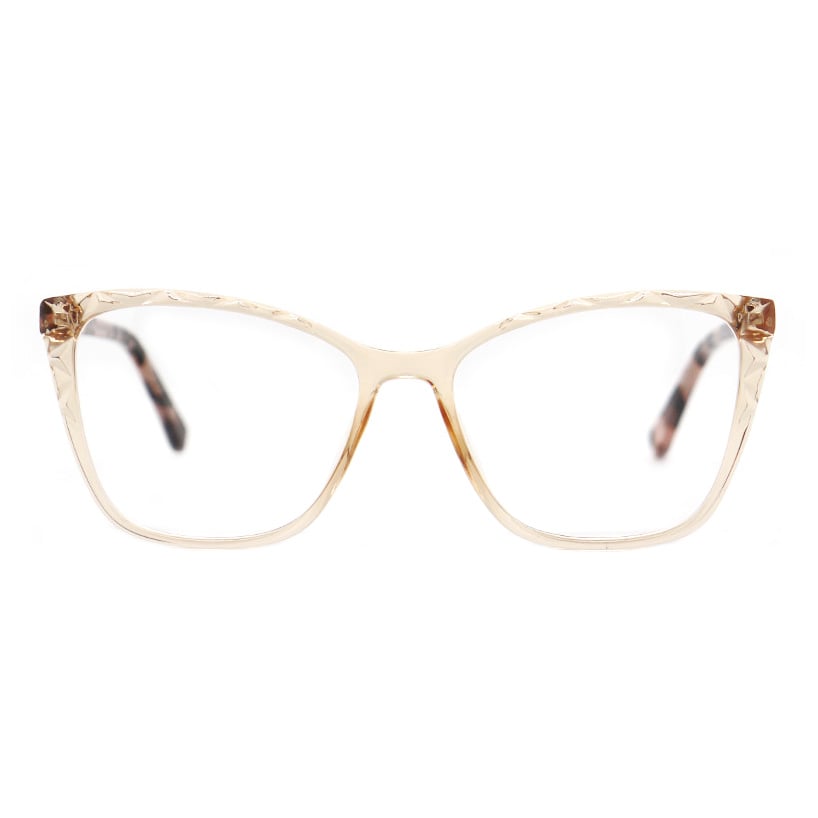
The manufacturing of Private Label Sunglasses involves multiple branding touchpoints that work together to establish brand ownership and market recognition. These methods span physical marking techniques, packaging integration, and design customization strategies that transform generic frames into branded products. For eyewear buyers evaluating OEM sunglasses manufacturing partners, comprehending these technical options ensures alignment with brand vision and production capabilities.
Physical Branding Techniques for Frame Identification
Temple Arm Engraving and Logo Placement
Temple arm engraving represents the most visible branding method in custom brand sunglasses production. This technique involves etching brand logos, text, or patterns directly into the acetate or metal components of the frame. The process uses laser engraving technology to create permanent, high-contrast markings that remain visible throughout the product lifetime. Eyewear buyers must specify exact logo placement, depth, and character sizing during the design phase, as these parameters affect manufacturing precision and frame structural integrity. Temple engravings typically occupy the outer surface of temple arms, ensuring visibility when frames rest on the wearer's head.
Bridge and Nose Pad Branding
The bridge area and nose pads offer secondary branding opportunities in private label sunglasses manufacturing. Custom brand sunglasses frequently feature embossed logos on the bridge, creating tactile brand recognition during wear. Nose pads can incorporate brand marks through material selection, specialized pad design, or printed overlays. This dual-location approach reinforces brand identity without relying solely on temple branding. OEM sunglasses manufacturing facilities assess these locations during mold design to ensure structural compliance and comfort standards remain uncompromised by branding elements.
Advanced Customization and Design Integration
Color Matching and Frame Material Selection
Color customization forms a foundational branding element for private label sunglasses programs. Eyewear buyers can specify exclusive acetate colors, gradient finishes, translucent effects, or metallic accents that distinguish their brand from competitors. The selection of frame material—whether acetate, metal alloys, or hybrid compositions—directly influences the visual identity and perceived quality of custom brand sunglasses. OEM sunglasses manufacturing partners maintain color libraries and material certifications that support brand-specific requests. Material choices also affect branding technique compatibility, as certain engraving or printing methods work optimally on specific materials.
Lens and Hardware Specification
Lens treatments and hardware components contribute significantly to overall brand aesthetics in private label sunglasses. Custom coating options, mirror finishes, photochromic properties, and gradient patterns convey brand positioning and functional benefits. Hardware elements including hinges, nose pads, and decorative accents can incorporate custom finishes, custom brand sunglasses logos, or material choices that align with brand standards. These specifications transform basic frame designs into distinctive products that reflect brand values and appeal to target market segments. OEM sunglasses manufacturing documentation must clearly establish lens specifications, UV protection levels, and hardware material standards to ensure consistency across production batches.
Packaging, Labels, and Brand Communication
Branded Packaging Solutions
Packaging serves as a critical branding platform for private label sunglasses, creating first impression impact and shelf presence. Custom boxes, tissue inserts, branded pouches, and branded documentation reinforce brand identity at the customer touchpoint. The packaging design communicates product quality, brand heritage, and value proposition before customers handle the frames. Eyewear buyers work with OEM sunglasses manufacturing facilities to source or produce packaging components that reflect brand specifications and regulatory requirements. Packaging materials must protect frames during shipping while presenting a cohesive brand experience that supports retail positioning and customer loyalty.
Product Labels and Regulatory Marking
Internal and external labels on private label sunglasses balance branding objectives with regulatory compliance requirements. Branded hang tags display product information, brand messaging, and imagery that influence purchase decisions at retail environments. Care instruction labels, UV protection certifications, and origin markings must appear on custom brand sunglasses according to jurisdiction-specific regulations. OEM sunglasses manufacturing partners integrate these elements into production workflows, ensuring labels remain securely attached and legible throughout distribution. Label placement, material quality, and text hierarchy directly affect perceived product professionalism and brand credibility.
FAQ
What branding methods offer the best durability for private label sunglasses?
Temple arm laser engraving provides superior durability for private label sunglasses branding, as the permanent etching resists wear, fading, and damage from cleaning or daily use. Embossed logos created through frame mold design are equally durable, becoming integral to the frame structure itself. These permanent marking techniques outperform adhesive-based labels or printed surfaces that may deteriorate over product lifespans. When selecting branding methods, eyewear buyers should prioritize techniques that withstand environmental conditions, customer handling, and extended wearing periods to maintain brand visibility throughout the customer lifecycle.
How does OEM sunglasses manufacturing affect custom brand sunglasses production timelines?
OEM sunglasses manufacturing timelines depend on branding complexity, customization scope, and production volume requirements. Simple color selections and standard engravings may require 60–90 days from order to delivery, while extensive custom brand sunglasses requiring new molds, specialized coatings, or unique packaging solutions extend timelines to 120–180 days. Design approval phases, mold creation, quality testing, and packaging production all contribute to overall lead time. Eyewear buyers should establish realistic timelines aligned with private label sunglasses launch strategies and communicate clearly with manufacturing partners about delivery deadlines and inventory requirements.
Can private label sunglasses incorporate multiple branding techniques simultaneously?
Yes, combining multiple branding techniques strengthens brand identity and creates memorable custom brand sunglasses products. Manufacturers commonly apply temple engravings plus bridge embossing plus custom packaging plus branded hang tags to establish comprehensive brand presence. Layering branding methods across frame surfaces, hardware, lenses, and packaging creates consistent visual identity that reinforces brand recognition. OEM sunglasses manufacturing partners assess cumulative branding complexity to ensure production feasibility and cost efficiency. Strategic combination of permanent frame branding with packaging branding delivers professional results that support premium positioning and customer brand recall.



