
 EN
Acetate vs TR90 Private Label Sunglasses: Key Differences for Buyers
Compare durability, cost, aesthetics & brand positioning—make the right material decision. Get expert insights now.
Choosing between acetate and TR90 materials is one of the most critical decisions when developing private label sunglasses for your brand. Both materials offer distinct advantages and limitations that directly impact product quality, manufacturing costs, aesthetic appeal, and customer satisfaction. Understanding these differences enables buyers and brand developers to make informed decisions aligned with their market positioning, target demographics, and production capabilities.
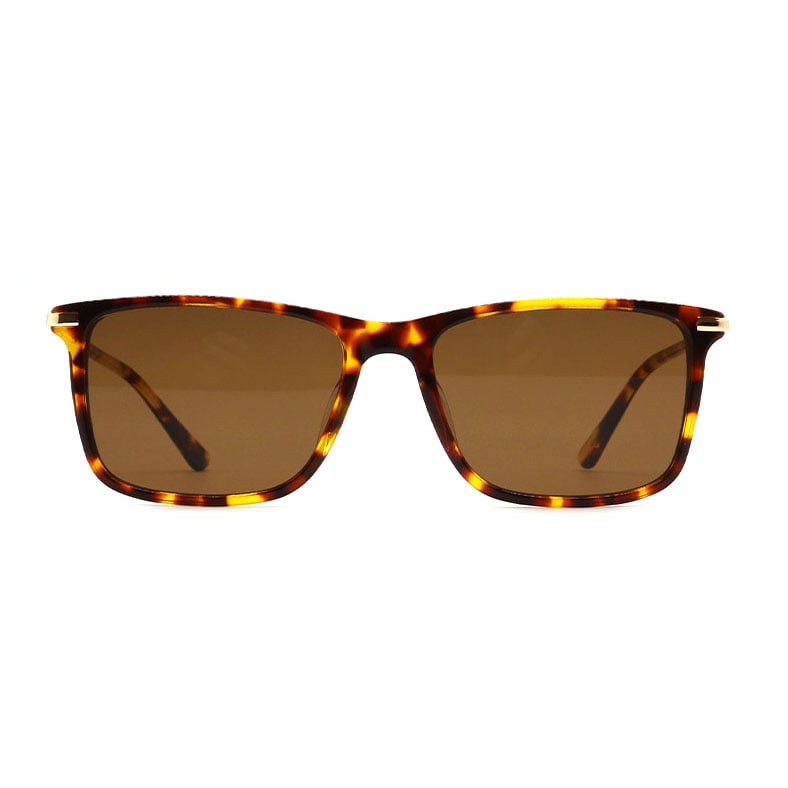
The eyewear industry increasingly emphasizes material selection as a foundational element of brand differentiation. Custom brand sunglasses require materials that balance durability, comfort, manufacturing flexibility, and visual appeal. While acetate has dominated the premium segment for decades, TR90 and other thermoplastic materials have disrupted traditional manufacturing paradigms by offering lightweight, flexible, and hypoallergenic alternatives. For OEM sunglasses manufacturing operations, selecting the right material affects production timelines, quality control protocols, pricing strategies, and long-term brand reputation.
Material Composition and Physical Properties
Acetate Frame Characteristics
Acetate is a cellulose-based thermoplastic derived from wood pulp and cotton fibers. The material undergoes a careful lamination process that creates distinct visual patterns, colors, and translucency effects. Acetate private label sunglasses exhibit superior optical clarity and aesthetic versatility, allowing designers to create visually distinctive frames that command premium positioning in the market. The material's inherent rigidity provides structural stability while maintaining enough flexibility to absorb impact without permanent deformation.
The manufacturing process for acetate involves precision injection molding or cutting from large sheets, followed by hand-finishing. This labor-intensive approach contributes to higher production costs but enables exceptional design customization. Acetate frames develop a natural patina over time, often enhancing their appearance rather than degrading it. For custom brand sunglasses seeking luxury positioning, acetate communicates craftsmanship and heritage authenticity that resonates with discerning consumers.
TR90 Frame Advantages
TR90 is a proprietary nylon-based thermoplastic material engineered for superior flexibility and durability. Unlike traditional acetate, TR90 demonstrates exceptional resistance to fracturing, even when subjected to extreme bending or impact stress. This material becomes the preferred choice for active lifestyle brands, sports-focused segments, and OEM sunglasses manufacturing operations targeting high-volume markets where durability requirements are non-negotiable.
TR90 frames offer inherent hypoallergenic properties, making them suitable for consumers with sensitive skin or nickel allergies. The material's lightweight nature reduces overall eyewear weight, enhancing comfort during extended wear sessions. TR90 accepts dyes and surface treatments differently than acetate, creating distinct aesthetic possibilities while maintaining technical performance advantages. For private label sunglasses targeting active consumers, TR90 provides both functional superiority and modern material perception.
Manufacturing, Cost, and Production Implications
Production Complexity and Timeline
Acetate production involves multiple discrete manufacturing stages: sheet extrusion, color lamination, injection molding, assembly, and hand-finishing. Each stage requires skilled technicians and quality oversight, extending production timelines and increasing per-unit manufacturing costs. Custom brand sunglasses made from acetate typically require longer lead times, typically four to eight weeks for new designs, particularly when incorporating custom color patterns or finishing treatments.
TR90 manufacturing streamlines the production workflow through automated injection molding processes that require less hand-finishing. OEM sunglasses manufacturing with TR90 enables faster turnaround times, typically two to four weeks for bulk orders. The material's consistency and predictability reduce quality control variables, allowing manufacturers to maintain tighter tolerances and accelerate scaling. For brands seeking rapid market entry or shorter product development cycles, TR90 provides significant operational advantages.
Cost Structure and Pricing Strategy
Acetate private label sunglasses carry higher per-unit manufacturing costs, typically 20-30% above TR90 alternatives, due to material expenses, labor intensity, and waste management. However, acetate's premium perception justifies higher retail pricing, supporting healthy profit margins even with elevated production costs. Luxury brands strategically leverage acetate material positioning to differentiate from mass-market competitors and establish exclusive brand identity.
TR90 manufacturing reduces per-unit costs substantially, enabling competitive pricing in the mid-market and value segments. For custom brand sunglasses developers targeting price-sensitive demographics or high-volume distribution channels, TR90 delivers cost efficiency without sacrificing technical performance. OEM sunglasses manufacturing operations frequently recommend TR90 to brands seeking sustainable profit margins across large order quantities.
Durability, Maintenance, and Long-Term Performance
Wear Resistance and Structural Longevity
Acetate frames age gracefully when properly maintained, with minor surface scratches often blending naturally into the material's patina. However, acetate exhibits vulnerability to prolonged sun exposure, heat, and environmental stress, potentially causing brittleness over extended periods. Acetate private label sunglasses require consistent cleaning with appropriate materials to prevent degradation of anti-reflective coatings and lens bonds.
TR90 demonstrates superior structural endurance across temperature fluctuations, moisture exposure, and mechanical stress. The material resists yellowing, warping, and material brittleness that occasionally affects acetate frames. Custom brand sunglasses engineered with TR90 maintain consistent appearance and functionality over multi-year ownership periods, supporting strong customer satisfaction and reduced replacement rates. For consumers prioritizing durability and minimal maintenance requirements, TR90 provides measurable technical advantages.
Repairability and Modification Potential
Acetate frames can be professionally refinished, re-sized, and repaired through specialized eyewear service channels. This repairability extends product lifespan and supports sustainability narratives that increasingly influence luxury consumer purchasing decisions. Custom brand sunglasses positioned as heirloom investments benefit from acetate's repairability heritage and craft restoration possibilities.
TR90 frames, while highly durable, present limited repairability options. Once structural damage occurs, replacement becomes the standard solution. OEM sunglasses manufacturing specifications typically reflect this reality in warranty terms and customer service protocols. However, TR90's inherent durability often eliminates the need for repairs, particularly in active-use scenarios where impact resistance matters most.
Aesthetic Flexibility and Design Capabilities
Color, Pattern, and Visual Differentiation
Acetate private label sunglasses showcase unmatched visual versatility through laminated color patterns, marble effects, tortoiseshell simulations, and translucent variations. The material accepts hand-applied finishes, gradient effects, and custom artistic treatments that establish distinctive brand identity. Luxury eyewear brands leverage acetate's aesthetic flexibility to create signature design languages that become immediately recognizable in competitive markets.
TR90 accepts solid colors and surface dyes effectively, offering significant design possibilities while remaining more visually predictable than acetate. Custom brand sunglasses manufacturers can incorporate gradient finishes and metallic accents on TR90, but the material's consistency limits the dramatic visual variations available through acetate. For brands emphasizing functional design and contemporary aesthetics, TR90 provides appropriate visual language without requiring acetate's premium complexity.
Brand Positioning and Consumer Perception
Material selection communicates brand positioning directly to consumers. Acetate frames signal heritage, craftsmanship, and premium quality to audiences familiar with eyewear tradition. Custom brand sunglasses made from acetate resonate strongly with affluent demographics valuing heritage narratives and timeless design aesthetics. OEM sunglasses manufacturing partners frequently recommend acetate specifically for brands seeking to establish luxury market positioning and command premium retail prices.
TR90 communicates innovation, performance, and modern functionality. For active lifestyle brands, sports-focused companies, and contemporary fashion labels, TR90 material positioning aligns with target audience values around durability, comfort, and technological advancement. Private label sunglasses leveraging TR90 effectively compete in mid-to-premium segments by emphasizing performance advantages rather than heritage narratives.
FAQ
Which material provides better value for custom brand sunglasses targeting price-conscious consumers?
TR90 offers superior value for price-sensitive markets due to lower manufacturing costs, faster production timelines, and exceptional durability. OEM sunglasses manufacturing with TR90 enables brands to achieve competitive pricing while maintaining strong technical performance and customer satisfaction. Acetate better serves brands where premium positioning justifies higher price points and attracts consumers valuing heritage and aesthetic sophistication rather than cost efficiency.
How do climate and usage environments affect material selection for private label sunglasses?
TR90 excels in diverse climate conditions, resisting temperature fluctuations, humidity, and UV exposure without material degradation. For consumers in hot climates or individuals engaging in sports and outdoor activities, TR90 provides reliable performance across demanding environmental conditions. Acetate private label sunglasses perform adequately in stable climates but may experience slight brittleness in extreme heat or extensive UV exposure, requiring occasional professional maintenance to preserve appearance and structural integrity.
What sustainability considerations should influence material decisions for custom brand sunglasses?
Acetate sourced from responsibly managed cellulose materials offers biodegradable properties and repairability advantages supporting circular consumption narratives. Custom brand sunglasses marketed with sustainability positioning benefit from acetate's heritage as a plant-derived material. TR90, while not biodegradable, supports sustainability through extreme durability, extending product lifespan and reducing replacement frequency. For OEM sunglasses manufacturing partners, both materials offer sustainability arguments; acetate emphasizes material origin while TR90 emphasizes extended functional life and waste reduction through durability.



