
 EN
Private Label Sunglasses vs Branded Licensing Programs: Key Differences for Buyers
Compare control, costs, margins & scalability—make the strategic choice. Download our decision framework.
When building a eyewear brand, buyers face a critical decision between developing private label sunglasses and pursuing branded licensing programs. These two pathways offer fundamentally different approaches to market entry, brand control, and long-term profitability. Understanding the distinctions between them is essential for making a strategic choice that aligns with your business objectives, capital requirements, and market positioning goals.
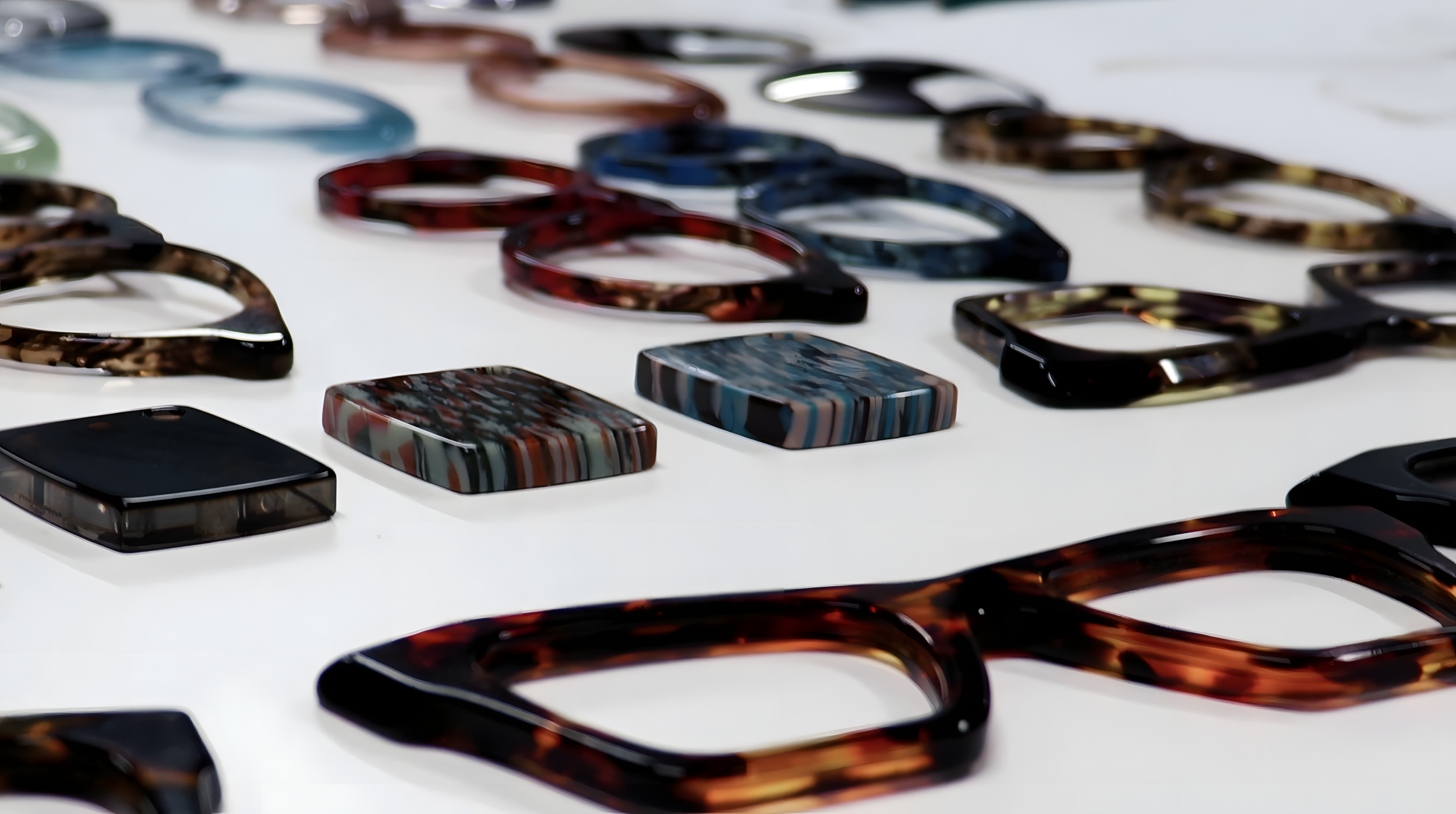
Private label sunglasses represent a direct manufacturing partnership where you develop products under your own brand identity, working closely with OEM sunglasses manufacturing partners who handle production while you maintain design control and brand ownership. Branded licensing programs, by contrast, involve renting established brand equity from existing eyewear companies, allowing you to sell products under recognized brand names while paying royalties or licensing fees. Each model carries distinct advantages, challenges, and financial implications that warrant careful evaluation before commitment.
Understanding Private Label Sunglasses and Manufacturing Models
Direct Product Development and Design Control
Private label sunglasses give buyers complete control over product design, materials, and specifications from conception through production. When you partner with OEM sunglasses manufacturing facilities, you collaborate directly on frame shapes, lens technologies, color palettes, and packaging aesthetics. This design autonomy means your products reflect your brand identity precisely, without compromise or dilution from licensing restrictions.
Custom brand sunglasses developed through OEM partnerships allow for rapid iteration and market responsiveness. If consumer feedback suggests design improvements, you can adjust specifications in subsequent production runs without negotiating with separate brand licensors. This flexibility enables faster time-to-market and the ability to test niche styles or seasonal collections that licensed brands might not prioritize.
Brand Ownership and Long-Term Asset Building
When you invest in private label sunglasses, you build tangible brand equity that belongs entirely to your company. Over time, this accumulated brand reputation becomes a valuable business asset that increases enterprise value, supports premium pricing, and creates customer loyalty independent of any single product or manufacturing partnership. Unlike licensed brands, where brand value remains with the licensor, your private label investment compounds over years.
Custom brand sunglasses under your ownership can be sold, franchised, or expanded into related eyewear categories. This flexibility creates exit opportunities and diversification pathways unavailable to licensed brand retailers, who depend entirely on the licensor's continued business relationship and category performance.
Branded Licensing Programs: Structure and Constraints
Revenue Sharing and Cost Structure
Branded licensing programs require royalty payments, typically ranging from eight to twenty percent of retail sales, depending on brand strength and negotiated terms. These ongoing fees reduce net margins compared to private label sunglasses, where you retain the full wholesale-to-retail margin spread. For high-volume retailers, this percentage differential can represent millions in annual costs.
Beyond royalties, branded licensing involves minimum order commitments, restricted supplier networks, and compliance costs with brand guidelines. OEM sunglasses manufacturing partners must meet the licensor's approved specifications exactly, eliminating cost-saving innovations or material substitutions that custom brand sunglasses manufacturers might implement independently.
Brand Restrictions and Market Positioning
Licensed brands impose strict controls over retail channels, pricing, positioning, and distribution geographic limits. A branded licensing agreement might restrict you from selling online, limit retail locations, or prohibit discount distribution channels. These constraints can frustrate growth strategies and prevent you from capturing emerging market segments or sales channels.
Private label sunglasses offer complete freedom in these dimensions. You determine retail strategy, pricing tiers, promotional intensity, and channel expansion independently. This autonomy accelerates business scaling and allows rapid response to competitive or market-driven changes.
Financial Comparison and Risk Assessment
Capital Requirements and Profitability
Developing custom brand sunglasses through OEM manufacturing requires upfront investments in design, tooling, and initial inventory, typically ranging from fifty thousand to two hundred thousand dollars depending on complexity. However, once production establishes, per-unit costs decline and margins improve as volumes increase. Private label sunglasses achieve profitability once cumulative sales recover the initial development investment.
Branded licensing programs require lower initial capital since designs and production infrastructure already exist. However, the ongoing royalty burden perpetually constrains profit margins. A retailer selling fifty thousand units annually of private label sunglasses earning twelve dollars per unit profit versus licensed products earning nine dollars per unit profit generates an additional one hundred fifty thousand dollars in annual profit through private label ownership alone.
Market Risk and Dependency Mitigation
Licensed brand retailers face discontinuation risk if the licensor withdraws the brand from certain markets, changes distribution strategy, or terminates the licensing agreement. Private label sunglasses eliminate this supply-chain dependency entirely. Your manufacturer partnership can be changed or diversified across multiple OEM sunglasses manufacturing partners, ensuring continuity and enabling competitive negotiation.
Private label ownership insulates you from brand reputation damage attributable to other licensees, celebrity scandals, or corporate changes at the licensor. Your custom brand sunglasses succeed or fail based on your execution, not external brand factors beyond your control. This independence creates both greater responsibility and greater opportunity for sustainable differentiation.
Strategic Selection Framework for Buyers
Evaluation Criteria for Model Selection
Buyers should evaluate capital availability first. If your business has limited initial investment capacity and needs immediate market presence, branded licensing programs provide faster entry. However, if you can absorb development costs and prioritize long-term asset building, private label sunglasses offer superior long-term value creation. Consider your brand positioning next: do you want to build consumer recognition around your company name, or leverage existing brand authority from an established licensor?
Assess your team's operational capabilities third. Custom brand sunglasses development requires active design collaboration, quality control, and supply-chain management expertise. If your team lacks eyewear manufacturing experience, working through an established OEM sunglasses manufacturing partner provides structured guidance. Licensed brands demand less internal operational depth but impose external strategic constraints.
Hybrid Approaches and Portfolio Strategy
Progressive retailers often employ hybrid strategies, launching with licensed brands to establish market presence and operational expertise, then transitioning to private label sunglasses as capital accumulates and internal capabilities mature. This phased approach reduces early risk while building toward higher-margin private label ownership.
Portfolio strategies combining both models enable retailers to serve different customer segments simultaneously. Premium positioning might emphasize custom brand sunglasses with controlled distribution, while volume-driven channels feature licensed brands. This diversification reduces dependency on any single brand or manufacturer relationship while optimizing channel-specific profitability.
FAQ
What are the primary cost differences between private label sunglasses and branded licensing?
Private label sunglasses require upfront design and tooling investment but eliminate ongoing royalty payments, resulting in higher per-unit margins once initial costs recover. Branded licensing programs demand eight to twenty percent royalties indefinitely, reducing profit margins by roughly one-third compared to custom brand sunglasses at equivalent retail prices. Over multi-year periods, private label ownership generates substantially higher cumulative profitability despite higher initial capital requirements.
Can I switch from branded licensing to private label sunglasses later?
Yes, many retailers transition from licensed brands to private label sunglasses as capital and expertise accumulate. However, customer loyalty built around the licensed brand name may not transfer directly to new private label products. Strategic planning should anticipate this transition, perhaps using licensed brands to fund private label development, then gradually shifting inventory and marketing investment toward custom brand sunglasses as they gain traction. OEM sunglasses manufacturing partners can facilitate this transition by ensuring production quality continuity.
Which model suits small retailers better: private label sunglasses or branded licensing?
Small retailers typically benefit more from branded licensing initially, as it requires lower capital and operational overhead. However, if you possess differentiation capability or target niche segments underserved by major licensed brands, private label sunglasses may still be viable with disciplined cost control and focused market positioning. Many successful eyewear businesses began with modest private label sunglasses launches targeting specific customer segments, then scaled gradually as sales validated the model. Evaluate your unique value proposition and market opportunity before defaulting to licensing convenience.



