
 EN
How to Verify a Sunglasses Supplier's Production Capacity: Key Differences and Selection Factors
Learn how to verify real production capacity—not just claims—with on-site audits, documentation, and reference checks. Get the actionable guide now.
Choosing the right sunglasses supplier requires more than comparing prices or checking online reviews. The foundation of any successful eyewear sourcing partnership rests on understanding whether your potential vendor can actually meet your production demands. Production capacity verification is critical because miscalculating this metric leads to missed deadlines, quality inconsistencies, and inventory shortfalls that damage your brand reputation and bottom line.
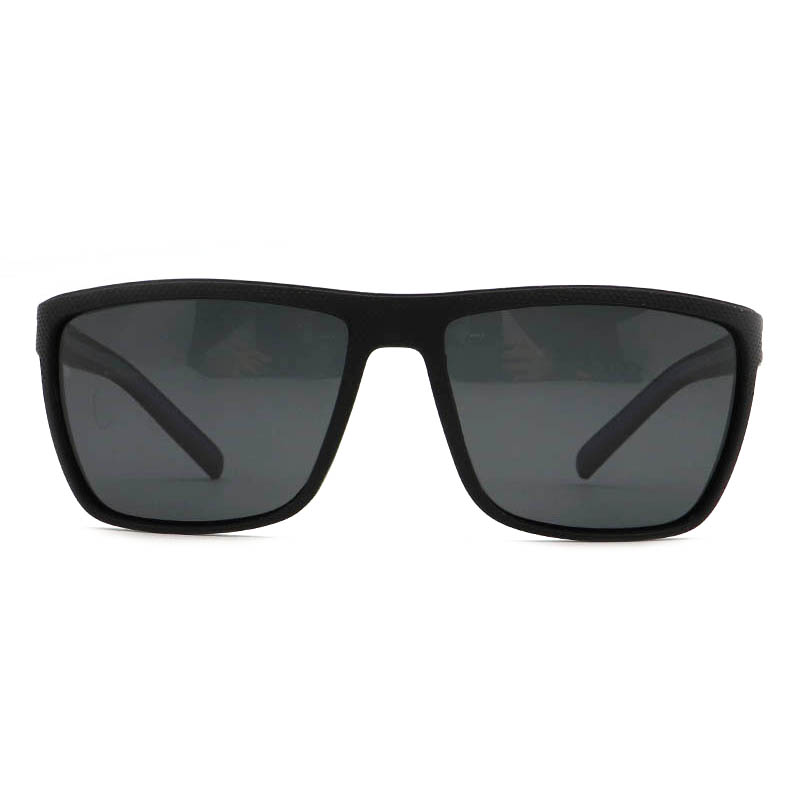
Many businesses make the costly mistake of assuming that a sunglasses vendor's published capacity figures represent what they can reliably deliver. In reality, production capacity involves multiple interconnected variables including equipment utilization rates, labor availability, supply chain dependencies, quality control processes, and seasonal demand fluctuations. Understanding these distinctions helps you select a sunglasses wholesale partner whose capabilities align with your actual requirements rather than their marketing claims.
Understanding Production Capacity Metrics
Theoretical Versus Practical Capacity
A sunglasses vendor may claim they produce 50,000 units monthly, but this theoretical maximum assumes perfect conditions with zero downtime, no defects, and continuous raw material availability. Practical capacity, however, accounts for realistic operational constraints. Machine maintenance, staff turnover, quality rejects, and supply delays reduce actual output to perhaps 60 to 70 percent of the theoretical figure. When evaluating an eyewear sourcing prospect, always request documented evidence of their actual monthly output over the past twelve months, not just their maximum stated capacity.
Capacity Utilization and Flexibility
A sunglasses wholesale manufacturer operating at 95 percent utilization may have zero spare capacity for rush orders or design modifications. Conversely, one operating at 60 percent utilization offers flexibility but may lack the efficiency gains that justify competitive pricing. The ideal sunglasses supplier typically operates between 75 and 85 percent capacity, balancing cost efficiency with the ability to accommodate your growth or unexpected demands. Ask your potential sunglasses vendor about their current utilization rates and whether they can scale production within specific timeframes.
Key Verification Methods for Capacity Assessment
On-Site Production Audits
Visiting a sunglasses vendor's manufacturing facility provides irreplaceable insight into their true production capabilities. During an on-site visit, observe the number and condition of production lines, the skill level of the workforce, inventory management systems, and quality control infrastructure. A reputable eyewear sourcing partner welcomes audits and can walk you through their production workflow, explaining bottlenecks and growth capacity. Request documentation showing equipment maintenance schedules, capacity planning forecasts, and historical production data to cross-verify their claims.
Reference Checks and Industry Reputation
Contact previous clients of the sunglasses wholesale supplier to understand their actual delivery performance, response times to urgent requests, and consistency in meeting order specifications. Ask specifically whether the vendor delivered orders on time when approached with volume increases or design changes. Industry trade associations, eyewear distributors, and retail buyers often have valuable perspectives on which sunglasses suppliers genuinely deliver capacity and reliability. This intelligence helps distinguish between vendors with inflated claims and those with proven track records.
Production Capacity Documentation and Certifications
Request detailed production capacity reports from your sunglasses vendor, including monthly output figures, machine specifications, workforce headcount, and quality metrics. ISO certifications, quality management documentation, and capacity planning matrices provide objective evidence of their operational maturity. A serious eyewear sourcing partner maintains transparent records and can produce audited capacity statements. Vendors hesitant to share these documents often lack the operational discipline or transparency needed for long-term partnership.
Selection Factors Beyond Production Capacity
Quality Control Integration with Capacity
Production capacity means little if a sunglasses vendor sacrifices quality to achieve volume targets. When assessing a sunglasses wholesale manufacturer, understand how their quality control processes scale with increased production. Do they maintain consistent defect rates as volume increases, or does quality degrade? Request samples produced during their peak production periods and compare them to samples from lower-volume runs. A reliable sunglasses supplier integrates quality assurance throughout the production cycle rather than treating it as a final step.
Supply Chain Resilience and Lead Times
Even a sunglasses vendor with substantial production capacity becomes problematic if their material suppliers experience disruptions. Inquire about the geographic diversity of their raw material sources, inventory buffer strategies, and contingency planning for supply chain interruptions. Lead time consistency depends on steady material availability, so understanding your sunglasses wholesale partner's procurement strategy directly impacts whether they can maintain promised delivery schedules during periods of high demand or market volatility.
Growth Capacity and Scalability
Your business needs may grow, so assess whether your chosen sunglasses supplier can scale production with you. Some eyewear sourcing vendors have clear expansion plans and capital investments for additional production lines, while others operate at fixed capacity indefinitely. Understand whether the sunglasses vendor has invested in modern equipment that improves efficiency without proportional labor increases, or whether they rely on manual processes that create a hard capacity ceiling. Long-term partnerships depend on your vendor's ability to grow alongside your business.
FAQ
What production capacity questions should I ask a potential sunglasses supplier?
Ask about their current monthly production volume, machine utilization rates, quality rejection percentages, lead times for different order sizes, workforce stability, material supplier relationships, and their ability to accommodate rush orders or design changes. Inquire whether capacity figures are theoretical or documented through historical records, and request evidence of meeting deadlines during periods of peak demand. Also ask about contingency plans for equipment breakdowns and material shortages.
How do I distinguish between a reliable sunglasses vendor and one with inflated capacity claims?
Request on-site audits, documented production records spanning at least twelve months, reference checks with existing clients, and third-party certifications. Reliable eyewear sourcing vendors welcome transparency and can substantiate claims with objective data. Those reluctant to provide evidence or who offer only verbal assurances typically lack operational rigor. Test their responsiveness by requesting small sample orders and observing how they handle timeline and specification requirements.
What role does quality control play in evaluating a sunglasses wholesale partner's capacity?
Quality and capacity are inseparable. A sunglasses supplier producing high volumes but with elevated defect rates actually delivers lower effective capacity and creates costly problems downstream. Examine their quality documentation, defect tracking systems, and testing procedures. Request samples produced during their peak production periods to verify that quality remains consistent. A sunglasses vendor who maintains tight quality standards while scaling production demonstrates genuine operational excellence and reliability for eyewear sourcing partnerships.



