
 EN
Grip Materials Used on Sports Eyewear Temples and Nose Bridges: A Technical Guide for Eyewear Buyers
Discover how silicone, TPR, hydrophilic coatings & pad design impact stability, sweat resistance & comfort. Choose wisely—get the guide.
When selecting Sports Eyewear, most buyers focus on lens quality and frame style, yet the grip materials on temples and nose bridges represent a critical factor that directly affects comfort, stability, and athletic performance. In high-intensity activities, eyewear that shifts, slides, or causes pressure points can distract athletes and compromise safety. The material composition of contact surfaces determines whether glasses remain secure during movement, resist sweat and moisture, and maintain consistent comfort throughout extended wear. Understanding these grip technologies helps eyewear buyers make informed decisions aligned with their specific athletic needs and environmental conditions.
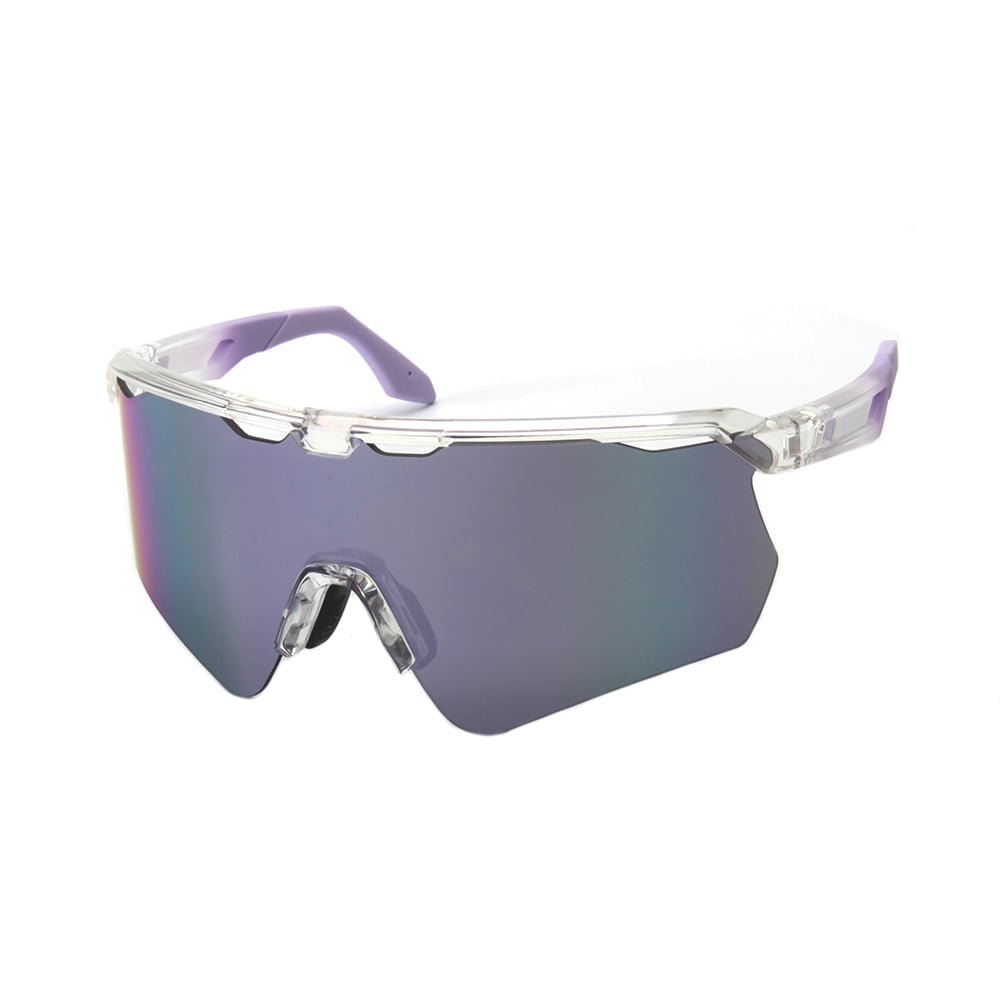
The engineering of grip materials in performance eyewear is far more sophisticated than casual observers realize. Temple arms and nose pads work together as an integrated retention system, and the materials chosen for these contact zones influence moisture management, durability, and user satisfaction. Athletic glasses must balance firmness with flexibility, ensuring they grip securely without causing discomfort or leaving pressure marks. This technical guide examines the material science behind grip technology, helping eyewear buyers understand why certain materials outperform others in demanding environments.
Grip Material Types and Composition
Silicone and Rubber Compounds
Silicone rubber remains the most widely used grip material in performance eyewear due to its exceptional properties. This synthetic polymer offers superior moisture resistance, a critical advantage for athletic glasses exposed to sweat, rain, or saltwater. Silicone maintains its grip even when wet, whereas many alternative materials become slippery under moisture conditions. The material resists UV degradation, temperature extremes, and repeated flexing without hardening or cracking. High-quality silicone compounds used in premium sports glasses provide consistent grip texture that athletes depend on during intense activities.
Rubber blends, particularly thermoplastic rubber (TPR), offer similar benefits with slightly different mechanical properties. TPR provides excellent elasticity and can be molded into ergonomic temple arm shapes that conform to individual head geometries. These athletic glasses materials cost less than premium silicones while maintaining respectable durability. The trade-off involves slightly reduced longevity in extreme conditions, though TPR remains reliable for most recreational and professional athletes. Many mid-range sports glasses manufacturers choose TPR for nose bridges because it delivers adequate grip performance without premium pricing.
Hydrophilic and Hydrophobic Treatments
Modern athletic glasses often feature surface treatments that enhance grip material performance in wet conditions. Hydrophilic coatings attract moisture, creating a thin water film that increases grip friction, particularly useful for water sports. Conversely, hydrophobic treatments repel moisture, keeping grip materials dry and preventing the slippery sensation that occurs when water accumulates on contact surfaces. Performance eyewear manufacturers select these treatments based on intended use: water sports applications favor hydrophilic coatings, while land-based activities benefit from hydrophobic finishes. These chemical modifications represent a crucial distinction between standard glasses and true sports eyewear designed for demanding conditions.
Temple Arm Grip Architecture
Textured Surface Patterns
Temple arms must resist slipping during lateral head movements and maintain contact pressure throughout extended activity periods. Premium sports glasses feature textured grip patterns that increase surface friction without causing discomfort. Cross-hatched patterns, wave designs, and micro-ridge textures provide grip surfaces with high coefficient of friction. The pattern depth and geometry directly influence both grip strength and tactile comfort. Well-designed athletic glasses distribute contact pressure across larger surface areas, reducing hotspots that cause irritation during multi-hour wear. Manufacturers invest in sophisticated texturing techniques to balance these competing demands, making grip architecture a significant differentiator among performance eyewear options.
Material Thickness and Flexibility
Temple arm grip materials must withstand repeated compression and flexing without losing resilience or developing permanent deformation. Optimal thickness ranges between 2-4 millimeters, providing sufficient material volume to maintain grip properties across extended use cycles. Thinner materials reduce comfort by concentrating pressure, while excessively thick layers add weight and restrict the natural flex of temple arms. Sports glasses manufacturers carefully calibrate this thickness to accommodate head circumferences ranging from youth to large adult sizes. Material flexibility ensures that grip remains consistent whether the wearer has a narrow or wide head, making athletic glasses adjustable across diverse user populations without compromising performance.
Nose Bridge Grip Solutions
Pad Design and Contact Geometry
Nose bridge pads represent the primary contact point preventing eyewear from slipping downward during physical exertion. The geometry of these pads—their size, curvature, and contact pattern—determines distribution of frame weight and retention security. Asymmetrical pad designs accommodate varying nose shapes, from narrow bridges to wider profiles common among certain demographic groups. Sports eyewear with specially engineered nose pads can reduce slippage by up to 40 percent compared to standard eyewear designs. Material selection for nose pads prioritizes softness and conformability, as this zone tolerates minimal pressure concentration. High-quality performance eyewear combines firm silicone outer layers with softer foam or gel backing, creating dual-layer pad systems that grip securely while remaining comfortable for all-day wear.
Moisture Management in Nose Contact Zones
Sweat accumulation at nose bridges represents one of the primary failure modes in athletic glasses, causing slippage and forcing frequent repositioning during competition. Advanced sports eyewear incorporates drainage channels and micro-perforations that allow sweat to migrate away from direct contact surfaces. Some performance eyewear brands employ antimicrobial coatings on nose pad materials, inhibiting bacterial and fungal growth that degrades material properties over time. These treatments maintain grip consistency and hygiene, extending product lifespan while reducing maintenance requirements. Athletes engaged in high-sweat activities benefit significantly from these engineering refinements, as they eliminate the distraction of constantly adjusting slipping glasses during critical performance moments.
Selection Criteria for Eyewear Buyers
Activity-Specific Requirements
Different sports impose distinct demands on grip materials used in athletic glasses. Water sports demand hydrophilic or non-slip materials that maintain contact even when saturated. Running and trail activities require textured surfaces that resist moisture migration from perspiration. Winter sports applications favor materials that remain flexible in cold temperatures without becoming brittle. Cycling and motorsports demand lightweight materials that don't add significant pressure to temple areas during extended wear. Understanding your primary activity allows selection of sports glasses with grip materials engineered specifically for your environmental conditions. Eyewear buyers should evaluate products under conditions matching their actual usage scenarios rather than assuming generic performance across all sports.
Durability and Maintenance Considerations
Grip material longevity depends on manufacturing quality, material composition, and maintenance practices. Premium silicone compounds resist degradation longer than budget TPR alternatives, though proper care extends lifespan of any material. Regular cleaning with mild soap and water prevents salt residue and sweat deposits from accelerating material breakdown. UV exposure degrades most grip materials over time, making proper storage in protective cases essential for athletic glasses not in active use. Eyewear buyers should inspect grip materials periodically for signs of hardening, cracking, or loss of texture. Replacement of worn temple tips or nose pads represents a cost-effective maintenance strategy that extends overall frame lifespan. Understanding material degradation patterns helps buyers anticipate replacement costs and choose products offering better long-term value.
FAQ
What materials provide the best grip for sports eyewear in wet conditions?
Silicone rubber compounds with hydrophilic surface treatments deliver superior grip performance in wet environments. Hydrophilic coatings create increased friction when water is present, making them ideal for swimming, water sports, and rain-exposed activities. Thermoplastic rubber offers adequate performance at lower cost but lacks the durability of premium silicone in extended wet-use scenarios. Testing grip materials under conditions matching your specific sport ensures optimal performance.
How do nose pad designs affect the performance of athletic glasses?
Nose pad geometry directly determines how eyewear weight distributes across the bridge and pressure points on the nose. Asymmetrical dual-pad designs accommodate various nose shapes while minimizing pressure concentration. Soft silicone or foam-backed pads increase comfort during extended wear while maintaining secure contact. Advanced performance eyewear incorporates drainage features preventing sweat accumulation that causes slippage. Proper pad sizing and material selection can reduce eyewear slipping by up to 40 percent during high-intensity activity.
How often should grip materials on sports glasses be replaced or maintained?
Grip material longevity depends on activity intensity, environmental exposure, and material quality. High-quality silicone typically maintains performance for 2-3 years of regular athletic use, while budget materials may degrade within 12-18 months. Regular cleaning with mild soap and water prevents premature breakdown from salt and sweat accumulation. Replacement of worn temple tips or nose pads extends overall frame lifespan at lower cost than purchasing new sports eyewear. Storage in protective cases and limiting UV exposure maximize material durability and performance retention.



